
Listen to this post: China’s Economic Slowdown and Its Global Ripple Effects in 2026
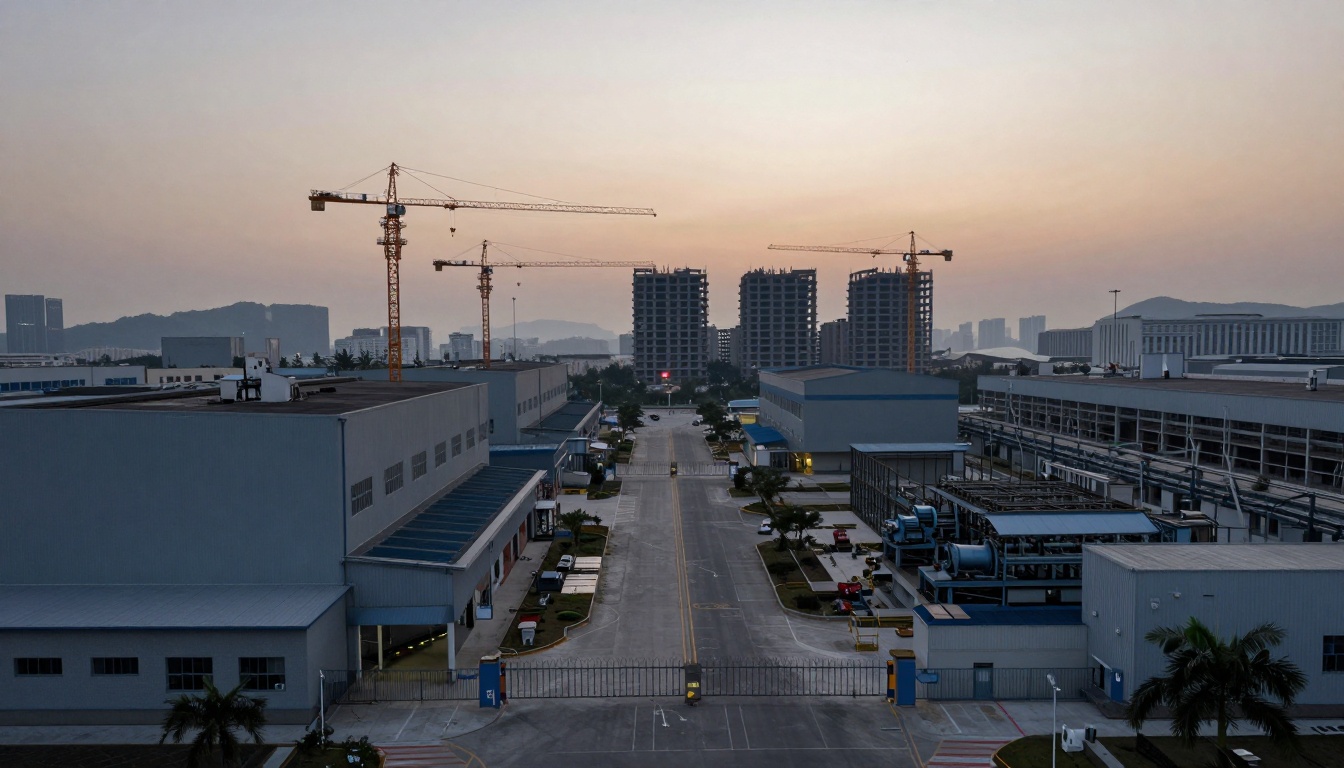
Picture vast factories in Shenzhen standing silent, their gates padlocked as workers stay home. Cranes idle over half-built flats in ghost cities like Ordos. China, once the world’s unstoppable engine, now hums at a lower pitch. Its GDP growth slips to 4.4-4.8% this year, down from double digits in the past. Goldman Sachs sees 4.8%[https://www.goldmansachs.com/insights/articles/chinas-economy-expected-to-grow-in-2026-amid-surging-exports], while others like the World Bank peg it at 4.0%. Exports hit a record surplus near $1.19 trillion last year, yet deflation grips for over 32 months.
A real estate crash since 2021 wipes out wealth and jobs. Families cut spending amid falling home prices and job fears. This drags the giant economy, which touches us all. Commodity prices wobble, supply chains reroute, and trade wars flare. Your next phone or car part costs more, or arrives late.
This piece unpacks the root causes in China, traces shocks to places like the US, Europe, and Australia, and eyes shifting supply lines. You’ll see clear paths forward amid the slowdown.
What Sparked China’s Economic Speed Bump
China’s growth stumbles from stacked troubles. Stimulus from late 2025 fades fast. Factories hire at 10-year lows. Builders halt as homes pile up unsold. Deflation bites deep; prices fall too long, scaring investors. Credit tightens since August 2025. Consumer wallets stay shut from job worries and tumbling property values.
Yet exports boom, with a surplus swelling to 4.2% of GDP. Tariffs loom as backlash. Families save hard, not spend. Government eyes wage boosts and benefits this spring. These woes lock in a slower pace.
The Real Estate Mess Crushing Growth
New flats gather dust across cities. Sales plunge. Investment drops 14.7-16% last year. Construction shrinks 20%. This sector once fuelled 30% of the economy; now it pulls back to early 2000s levels.
Home values crash, leaving families feeling broke. They skip dinners out or new gadgets. Builders sack workers; steel and cement firms idle. China’s housing market downturn and its impact shows how this ripples to banks and local governments. Debt piles up from empty projects. Confidence evaporates. Growth stalls as the mess festers.
Weak Jobs and Spending Keep the Cycle Going
Youth unemployment hovers high. Factories cut shifts. Service jobs vanish with weak demand. Families stash cash, fearing the worst. Savings rates climb.
Government plans wage hikes and better benefits by spring 2026. Credit growth slows, starving firms of funds. Deflation worsens it; why buy now if prices drop tomorrow? People hold back. The loop spins: less spending means fewer jobs, more saving.
How the Slowdown Hits Big Players Like the US and Australia
World growth dips to 2.6% in 2026. China’s stall pulls others down. US GDP eases to 1.5%. Tariffs spike to 100% on Chinese EVs. Europe slaps barriers on steel. Australia watches iron ore demand fade as China builds less.
India and Mexico hit back with 50% duties. Trade surplus fuels anger. Exporters feel the squeeze first. Miners in Perth stare at falling prices.
US and Europe Face Trade Walls
US growth slows from tariff hikes. A short truce ends; duties climb. Factories face cheap Chinese floods. Consumers see higher EV costs. China’s economic troubles ripple worldwide notes deficits spark blocks.
Europe grapples too. Steel quotas rise. Auto parts get pricier. Growth lags as exports to China weaken. Both regions build walls, but pay in slower pace and dearer goods.
Australia and Commodity Exporters Take a Hit
Iron ore prices tumble. China’s building halt slashes needs. Ports in Pilbara quiet down. Copper slumps from factory woes.
Miners cut jobs. Brazil and South Africa share the pain. Less construction means less dig. Aussie GDP feels the drag. Exporters scramble for new buyers.
Supply Chains Shift and Prices Feel the Pinch Worldwide
Firms flee China for India, Vietnam, Mexico. Tariffs hit 145% on some goods. Friend-shoring picks safer spots. Your smartphone bits now ship from Hanoi, not Guangzhou.
China’s deflation exports low prices globally. Inflation stays tame, but stagnation risks rise. Stock markets wince at export drops. Home prices may fall another 10% by 2027.
Beijing pumps fiscal cash. Tech pushes like AI and robots try to plug property holes, but fall short for now. Structural splits persist: factories thrive, shops empty. Global prices pinch as chains kink.
Nations diversify. Commodities stay watched. Growth holds low.
Conclusion
China’s slowdown stems from property ruins, job fears, and tight spending. It clips global wings through tariffs and weak demand. World growth idles at 2.6%; exporters ache most.
Diversification offers hope. Supply shifts ease risks. Yet pain lingers for miners and makers. Watch commodities close; prep for a steadier but slower world.
Check CurratedBrief for fresh updates on markets and geopolitics. What shift worries you most? Share below.
(Word count: 1,482)