
Listen to this post: How Local Peacebuilders Do Quiet Work in Forgotten Conflicts
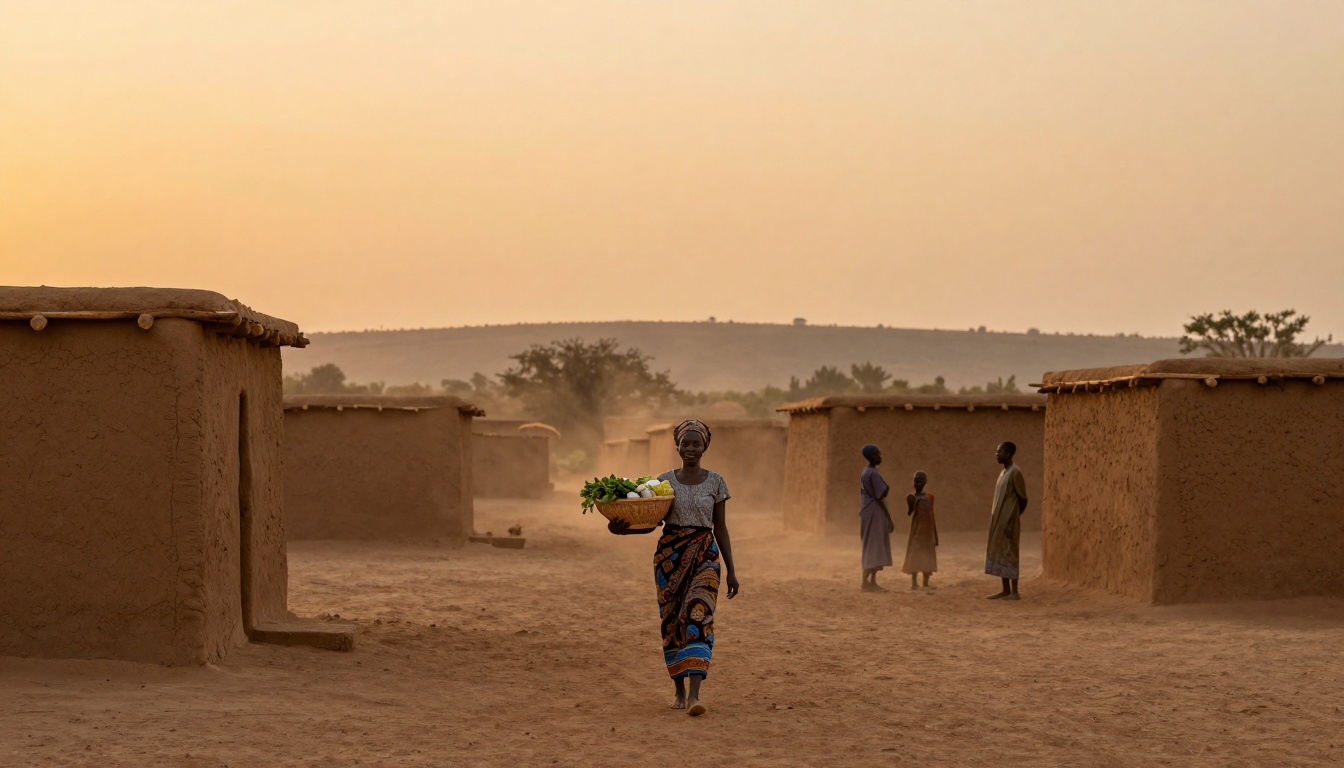
Picture a dusty village in Burkina Faso. Gunfire echoes at night. A woman named Aissata slips between homes, sharing food from her small harvest. She talks with neighbours from rival groups, calms fears, and stops fights before they start. No cameras capture her steps. Global news stays silent on these spots.
These local peacebuilders labour in forgotten conflicts. Places like the Sahel, Haiti, eastern DRC, northern Ethiopia, and South Sudan see millions suffer from violence, hunger, and flight. Yet headlines chase bigger stories. Local heroes mend ties through chats, shared aid, and trust. They face death daily for small gains that save lives. In early 2026, their work shines amid fresh crises.
Why These Conflicts Stay Out of the Spotlight
Wars grab attention when they hit close to power centres or spark big powers’ fights. Ukraine and Gaza fill screens. But forgotten conflicts brew massive pain with little notice. Millions die, flee, or starve. In early 2026, jihadists in the Sahel kill troops and trap civilians. Gangs choke Haiti. Rebels grab land in eastern DRC.
Take the human toll. Families lose farms to bullets and floods. Kids miss school amid raids. Aid trucks halt at checkpoints. These spots tie to dry spells that kill crops, outside arms that fuel hate, and slashed funds from donors. Burkina Faso alone holds 1.1 million displaced people, mostly farmers. Across the Sahel, nearly four million have fled violence, hunger, and climate woes by late 2025 trends into 2026.
Why care? These fights spill over. They breed hunger for 10 million and block aid to 3.5 million in cut-off zones. Readers who grasp this see how quiet spots shape the world.
The Sahel’s Spread of Violence
Jihadists from groups like JNIM strike villages in Burkina Faso and Mali. Governments hand guns to locals. Roads snap shut. This risks more coups and spills into Benin or Niger. Dusty towns hide fearful families behind mud walls. By early 2026, 204 million live under armed grip in spots. Violence pushes south, with Russian forces filling gaps left by the West.
Struggles Across Africa and Haiti
Eastern DRC boils. M23 rebels took Uvira in January 2026, despite a 2025 deal. Millions stay displaced, farms ruined. Northern Ethiopia sees armed bands clash amid droughts that dry wells. South Sudan limps from a failed 2018 peace; floods chase refugees. Haiti faces gang wars that lock aid in ports. Slums turn to turf fights. Schools close. Kids go hungry as parents hide.
Quiet Wins from Local Peacebuilders in the Sahel
Local peacebuilders in Burkina Faso and Mali turn talk into action. They know the soil, the grudges, the needs. Groups like Interpeace run projects that heal old wounds and spark jobs. Their Laafia Weltaré work in Burkina Faso aids trauma recovery and community links. In 2024, it created jobs for 1,096 people, half women and youth. Now mental health shapes local plans.
Open Society Foundations back Transformative Peace in Africa. This funds women and youth to fix roots like weak justice. Locals train in talks, link with security forces, and revive old peace rites. Imagine elders under baobab trees, voices low as they swap water rights stories. Cross-border efforts since 2022 hit Hauts-Bassins in Burkina Faso and Sikasso in Mali. They reached 5,564 people with 60 income schemes and shared resources.
These steps cut raids. Women sell soap from group loans. Youth guard markets together. Small wins stack up.
Interpeace Builds Bridges Across Borders
The brick-by-brick project mends Mali-Burkina Faso lines. Community teams start jobs, fix feuds, build trust with troops. Funded by PATRIP Foundation, it fixes climate-tough spots like wells. In 2024, groups formed amid threats. Women launch veggie plots. Men share herd paths. Borders blur in peace chats. This curbs spills from jihad raids.
Healing Trauma and Fostering Jobs
Laafia Weltaré digs deep. It heals scars from attacks with group sessions. Families displaced by sieges rebuild bonds. They start chicken farms or tailor shops. UN ties push it into government work. One mother, her home burned, now leads youth circles. Her kids eat steady. Jobs lift 1,096 lives. Half are women who weave mats for cash. Youth fix bikes. These threads hold villages whole against hunger waves.
Grassroots Efforts in Other Hotspots
Eastern DRC women groups stand tall. They mediate between tribes and M23 rebels. Safe schools rise in bush camps. Farms restart with shared seeds. Open Society aids women leaders for fair mining that skips blood cash.
Northern Ethiopia elders broker truces. They split water from shrinking rivers. Drought bites, but talks save herds.
South Sudan church heads host tribe meets. Revenge cycles snap as chiefs swap cows for peace vows.
In Haiti, slum leaders call ceasefires. They share rice in gang shadows. Food flows past barricades.
Funds stay thin. Risks loom large, like bullets in night talks. Yet parallels to Sahel shine. Train locals. Link foes. Scale small fixes. These methods fit anywhere.
Local ways work because they fit the ground. A Haitian mum’s food share mirrors a Sahel soap sale. Both save lives.
Challenges and Paths Forward for These Heroes
Hurdles stack high. Aid cuts hit hard, like Ethiopia’s $387 million drop. Builders dodge ambushes. Big UN pushes flop without locals. Climate dries fields, sparks grabs.
Paths open. Amplify their tales on social feeds. Fund groups like Interpeace in Mali or Open Society. Push leaders to eye communities first. Readers, share one story today. Back a project. Small steps aid heroes.
Small Talks Build Lasting Peace
Local peacebuilders save lives in shadows. From Sahel villages to Haiti slums, they share, talk, heal. Forgotten conflicts rage on, but their quiet work stacks wins. Aissata’s food shares echo worldwide.
Notice these fights. Back locals over far-off fixes. What if one chat stops a raid? Hope grows from treeside words.
Share this post. Donate smart to groups like Interpeace. Your voice joins theirs. Peace starts close.
(Word count: 1,482)