

Listen to this post: How Migration, Japa and Moving Abroad Are Changing Families
A family can be in two places at once now. One parent is in Birmingham, another is in Benin City. A son is in Toronto, but his mum’s hospital card is still in his wallet, just in case she calls. Birthdays happen on screens. Arguments happen on voice notes. Love travels, but it doesn’t always land softly.
In Nigeria, japa is Yoruba slang for leaving, often with the feel of escaping. People use it casually, but it sits inside a bigger story of migration and moving abroad that’s shaping homes, marriages, and childhoods. It matters more in January 2026 because the desire to relocate is still high, recent outflows have been huge, and a weaker naira makes everyday life and future planning feel harder.
This article breaks down the push and pull behind japa, what it changes inside families, the trade-offs many don’t expect, and the practical ways families stay close across borders.
Why so many people are moving abroad right now, and why families feel the push
Migration decisions can look like personal choice, but families usually make them like a group project. Someone may be the one holding the visa, yet everyone is carrying the weight. The reasons are often the same: income, safety, health, education, and the hope that tomorrow won’t be a surprise attack on the budget.
Recent reporting and surveys keep pointing in one direction. Large numbers left between 2022 and 2023 (official exits alone ran into the millions), and youth interest remains intense, with surveys often finding that most young people would relocate if they could. Popular destinations include the US, UK, and Canada. The conversation isn’t only “Should I go?” It’s “If I go, what happens to us?”
For background on how migration is tracked and discussed, the IOM Nigeria migration data resources are a useful starting point, even if they can’t capture every informal route or unrecorded departure.
| What pushes families | What pulls families |
|---|---|
| Pay that can’t keep up with prices | Wages that stretch further |
| Safety worries and insecurity | Safer streets and clearer policing |
| Power, fuel, and transport costs | More reliable public services |
| School disruption and limited options | Wider school choices and pathways |
| Weak currency and hard savings | Stable currency and easier planning |
The “push” at home, when staying starts to feel like falling behind
Many families describe the same feeling: they’re running, but the road moves too. Wage gaps are obvious when relatives abroad send the same amount each month and it covers school fees, rent, and medication. Meanwhile, someone at home may work full-time and still borrow for basic groceries.
Daily life pressures add up. Power cuts turn evenings into a scramble. Fuel prices affect transport, food prices, and small businesses at once. School disruption and long strikes can make parents feel they’re gambling with their children’s future. Then there’s insecurity. Even when a family hasn’t been hit directly, the fear changes routines. People avoid roads at night, limit travel, and live with a constant “what if”.
Japa has also become a social trend. A friend posts keys to a new flat in Manchester, and suddenly your own plans feel delayed. Social media can turn migration into a scoreboard. That pressure is real, even if nobody says it out loud.
For a grounded look at why many middle-class young Nigerians want to leave, see The Conversation’s analysis of the “desperate to leave” trend.
The “pull” abroad, better pay, safer streets, and a future you can plan
The pull can sound simple: steady work, safer communities, and systems that are easier to predict. People want rules that work the same way each day. They want to book a doctor’s appointment without needing three backups. They want school timetables that hold.
For parents, the pull is often about children. It’s the idea that effort can produce progress, and progress will stick. That matters when you’re thinking about secondary school, university, and a first job.
Routes abroad vary. Some travel through study, then work. Others go through skilled roles, family sponsorship, or employer support. The detail that hits families hardest is timing. Some visas make it easier to travel alone first, then bring others later. That “later” can stretch from months to years, and families end up living two lives at once.
A clear explanation of how “japa” is used and what it means socially is captured in Max Planck Institute writing on japa and urgency, which helps frame why this isn’t only about money.
What changes inside a family when someone moves abroad
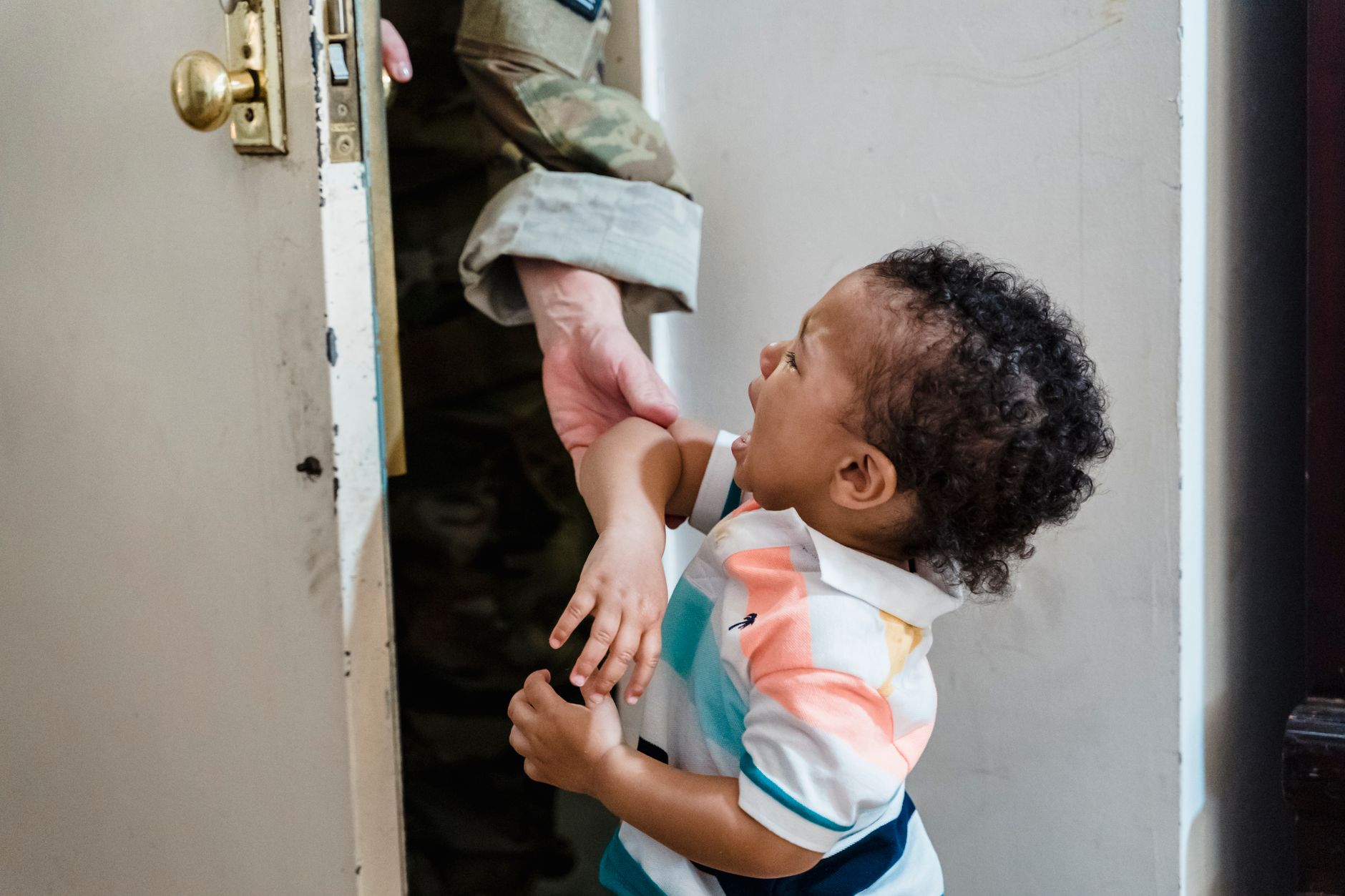
Photo by George Pak
When one person leaves, the family doesn’t stay the same shape. Roles shift, routines change, and even the meaning of “support” gets rewritten. Sometimes the change is good, like relief from debt or a chance to fund better schooling. Sometimes it’s heavy, like the slow ache of missing a whole season of your child’s life.
In many homes, migration creates a new family language. “Data” becomes as important as food. “What time are you free?” becomes the start of every real conversation. Love turns into a schedule.
It’s not only couples who feel it. Adult children abroad often become long-distance carers. They pay medical bills, manage hospital calls, and try to parent their parents from another country. Meanwhile, grandparents step in to fill gaps, becoming school-run drivers and homework monitors when they should be resting.
A recent international report described japa as a cultural phenomenon tied to large-scale departures, which reflects how normalised the split-home arrangement has become. See RTÉ’s reporting on japa and mass emigration.
Love across time zones, how distance rewrites marriage and parenting
Time zones turn simple things into puzzles. One partner wakes up to messages that sound angry, because the other went to bed upset. A child’s school play happens at 2 pm in Lagos, which is a work shift in London. The parent abroad watches through a shaky video, smiling while feeling useless.
The staying partner often carries the physical load. They handle school runs, repairs, hospital visits, and family emergencies. The partner abroad may carry the financial load and the stress of survival in a new place. Both feel tired, and tired people can turn small problems into big ones.
Trust can also get tested. Loneliness creates space for suspicion, and silence can feel like betrayal even when it’s just shift work. Video calls help, but they can hurt too. You see your spouse’s face, you hear your child’s voice, yet you can’t touch them. Presence becomes a window you can’t climb through.
Children interpret distance in plain ways. A five-year-old may think, “Dad left.” Money doesn’t translate easily into comfort for a child who wants bedtime stories and school pickups.
New power and new pressure for the person who stays behind
The person at home often becomes the household manager by default. They decide which school to choose, what rent to accept, which cousin to help, and when to go to the clinic. That can build confidence. It can also feel like carrying a house on your head.
Gender roles can shift, sometimes in ways that surprise the whole family. A woman who never handled bills may become the decision-maker overnight. A man who expected to lead from abroad may struggle when he’s no longer in the room where choices get made. And when the family reunites later, those new habits don’t disappear quietly.
There are pressures on the person abroad too. They may feel like they can’t complain because “you’re the one overseas”. Yet settling in is hard. It can mean starting work that’s below your qualifications, learning new accents, and living in a small flat because rent is high.
When families don’t talk about these shifts, resentment grows in the gaps. It shows up as short replies, constant money fights, or a sense that nobody is appreciated.
The trade-offs families don’t see until after the move
The early stage of japa often looks like bright lights and airport photos. Later comes the everyday maths. Bills, childcare, paperwork, loneliness, and the strange feeling of being new again.
Cost of living is one of the biggest shocks. Higher wages can be swallowed by rent, transport, taxes, and childcare. Two parents may need to work, which means even less time together. Some families also deal with identity strain. Abroad, you might be respected for your work, but still feel like an outsider. At home, people might assume you’re rich, even when you’re counting coins.
Then there’s the split-life problem. Home doesn’t fully feel like home anymore, because you’re always leaving. Abroad doesn’t fully feel like home either, because part of you is still elsewhere. You end up living with one foot on each side of the ocean.
Money helps, but it can’t replace presence
Remittances are real support. They pay school fees, cover rent, settle hospital bills, and help relatives survive hard months. For some families, remittances are the difference between stability and crisis.
But money can also create tension. Expectations rise fast. One relative asks for fees, another asks for business capital, another wants a “small thing” for a wedding. The migrant can start to feel like an ATM. The family at home can feel judged when they ask for help, even if the need is genuine.
Control is a common fault line. Who decides how money is used? The sender might want detailed receipts. The receiver might want trust. Add guilt on both sides, and you have a perfect recipe for constant friction.
Some researchers and commentators point out that economic pressure at home can also reduce people’s ability to save for migration, which shows how messy the picture is. See Dataphyte’s write-up on changing “japa” savings patterns.
Paperwork and legal limits can keep families apart longer than planned
Immigration systems don’t always match family timelines. Many people travel first on a route that doesn’t allow instant family reunion. Others can bring dependants, but only after meeting income rules, housing rules, or long processing times.
Delays do more than frustrate. They stretch relationships thin. A couple may plan for six months apart, then face two years. A parent might miss a child’s first words, then arrive to a toddler who feels shy around them.
Visits can be rare because flights are expensive and leave is limited. When someone does visit, the trip can feel like a performance. Everyone wants to pack years of affection into two weeks. Then the goodbyes start again.
For a plain-language take on the japa phenomenon and its social costs, this explainer on “mass migration” and japa captures many of the themes families report.
How families can stay close, raise healthy kids, and plan for reunions
Distance doesn’t have to mean emotional disappearance, but it does require effort that feels almost boring. The families that cope best often do the simple things consistently, even when life gets busy.
Think in three time frames:
- Short-term survival: keep connection steady and reduce daily chaos.
- Mid-term reunion: set realistic dates and paperwork steps, then review them.
- Long-term roots: decide where home will be for the children, not only for the adults.
This is less about perfect communication and more about reducing misunderstandings before they harden into bitterness.
Build a “staying connected” routine that actually works
A good routine beats random contact. It lowers anxiety because everyone knows when they’ll hear from each other.
A simple model many families can copy:
Fixed call days: two set days a week for proper conversation, even if it’s 20 minutes.
Daily voice notes: short messages that feel like presence, especially for kids.
One weekly family chat: a longer call for stories, plans, and small jokes.
Shared photos: a private album where the staying parent drops school pictures and the parent abroad shares everyday life too.
A key rule: don’t fight seriously over text. Text strips tone, and time zones stretch conflict. If something is heavy, agree a time to talk when both are calm.
For children, keep the connection physical where possible. A small “dad box” or “mum box” (letters, a scarf with perfume, printed photos) can help a child feel less abandoned.
Make a family plan for money, care, and what happens if things change
Money needs boundaries. Without them, love gets measured in transfers.
Agree on a remittance plan that answers:
What’s fixed each month: rent, school, medical, groceries.
What’s flexible: extra family support, events, emergencies.
What’s saved: an emergency fund that nobody touches casually.
Also agree who handles care and decisions. Who attends parent meetings? Who takes a parent to hospital? Who is allowed to approve major spending?
Finally, talk about Plan B early, before panic forces bad choices. What happens if the job ends, a visa is delayed, or mental health takes a hit? Couples should also talk honestly about reunification goals, return plans, and where the children will build their identity. “Home” is not only a place, it’s the story your family repeats.
Conclusion
Japa and moving abroad can bring safety, income, and new chances, but it also reshapes love, roles, and childhood in ways families don’t always expect. Distance turns ordinary parenting into a timed appointment, and it can turn marriage into a long test of patience.
Families do best when they name the hard parts early and plan around them, not when they pretend separation is easy. A routine call, a clear money plan, and a shared reunion timeline can reduce the silent fear that grows in the gaps.
If japa is on your table, start one honest family talk this week. The future might still be overseas, but connection can stay close, like a bedtime call, a school play watched on video, and a real reunion waiting at arrivals.