
Listen to this post: Can Climate Diplomacy Survive Great-Power Rivalry?
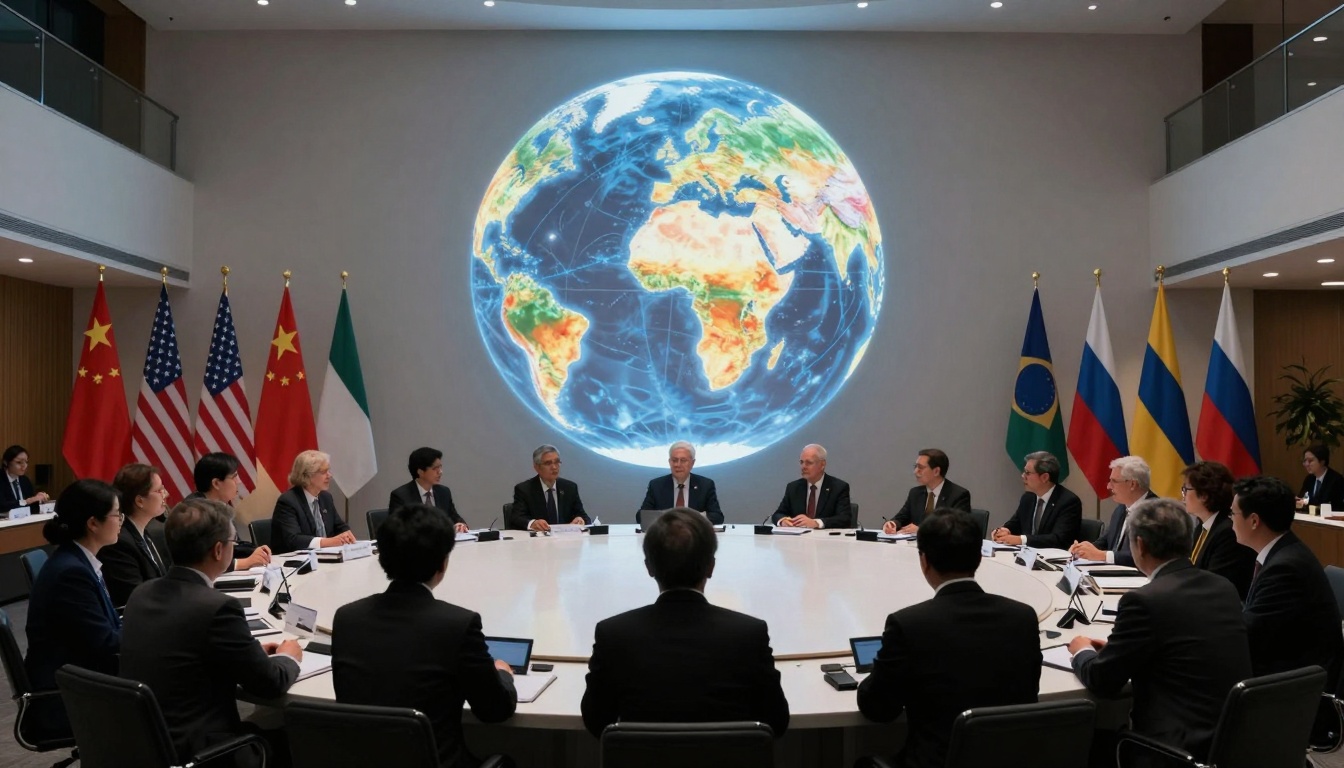
Picture world leaders at COP30 in Brazil last November. Tensions boil as they argue over climate funds for poor nations. In the background, US-China friction over Taiwan and trade casts a long shadow. Russia lingers on the edges, tied to its war in Ukraine. The planet warms, yet deals stall. Climate diplomacy once united countries to slash emissions and help the vulnerable. Now, great-power rivalries test its strength.
Donald Trump’s 2025 exit from the Paris Agreement adds fuel to the fire. He called climate change a hoax and ramped up oil drilling. This move shakes global trust. Yet rivalry cuts both ways. It blocks pacts but also drives down costs for solar panels and batteries through fierce competition. Can climate diplomacy endure US-China-Russia clashes? Let’s trace the cracks, the blocks, and the paths ahead.

Photo by Niklas Jeromin
Recent Climate Talks Reveal Cracks from US-China Tensions
COP29 in Baku last year exposed deep divides. Nations set a climate finance goal of $300 billion a year from rich countries, plus $1.3 trillion total by 2035 with private cash. Poor nations called it weak. Rules for carbon markets got finalised under the Paris Agreement. These let countries trade emission credits with more openness. Still, no big steps came on fossil fuel shifts, unlike COP28 promises to triple renewables.
COP30 in Brazil built on this but hit walls. Trump’s early 2025 Paris pullout slowed emission cut talks. Brazil pushed for 42% global cuts by 2030, far from the current 2.6% pledges. US aid dried up. China and the EU stepped in with green tech ties. Russia blocked Arctic deals and sold more oil and gas. Talks ended with loss and damage funds working, but pledges cover just a slice of the $580 billion yearly needs by 2030. Rivalries turned rooms icy.
For details on COP29’s power shifts, check this analysis from SWP Berlin on balance changes.
Trump’s Policies Shake Up Global Climate Leadership
Trump’s 2024 win flipped the script. In 2025, the US quit Paris again. He boosted fossil fuels and cut green investments by over $100 billion. Poor countries lost aid they counted on. Factories in Texas pumped oil at record rates. China seized the moment. It leads in solar panels and batteries, building vast farms across deserts.
Vulnerable islands and African states felt the pinch. Without US cash, they pushed harder for funds. Trump’s team skipped COP30, leaving a void. This retreat let rivals fill the gap. Global rules weakened as trust faded.
China and EU Team Up as US Steps Back
China and the EU forged ahead. Clean energy trades jumped 25% in 2025. They shared tech for solar and electric vehicles, despite US trade barriers. Belt and Road projects rolled out green power in Africa and Asia. The EU kept climate talks alive with firm targets.
Contrast this with US focus on energy security. Oil rigs dotted the Gulf while Europe and China wired wind farms. Beijing’s pavilion towered at COP30, a sign of its rising role. These ties bypassed big-power fights, keeping some momentum.
See how China stepped up at COP30 as the US stayed away.
How Rivalries Block Climate Deals but Spark Clean Tech Races
Great-power clashes slow climate pacts. US-China trade wars hike tariffs on solar imports. Taiwan risks and Ukraine fighting pull focus from emissions. Groups like COP struggle for unity. Russia defends oil exports, blocking fossil fuel phase-outs. No bold cuts happen when militaries clash.
Yet competition has upsides. US and Chinese firms race to build better batteries. Solar prices plunged as factories scaled up. Wind turbines got cheaper too. Green investments hit $500 billion yearly from China alone. Tariffs hurt, but rivalry speeds fixes. What if this race cools the planet faster than talks alone?
This Belfer Center report unpacks the US-China-EU climate-trade tangle.
Roadblocks from Military and Trade Clashes
Military tensions freeze deals. US ships patrol near Taiwan; China builds its navy. Diplomats eye war risks over emission talks. Russia’s Ukraine invasion split the West from Moscow. It sells gas to fund arms, ignoring pleas to cut coal.
COPs see stalls. Saudi Arabia blocked mitigation at COP29. Poor nations compromise on funds. If wars flare, climate summits halt. Trade fights add pain. US tariffs on Chinese panels slow global installs. Unity crumbles under pressure.
Competition Fuels Faster Green Tech Advances
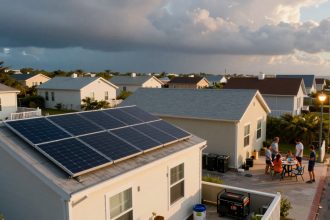
Rivalry drives innovation. China dominates batteries; the US pushes domestic chips for EVs. Costs drop sharp. Solar panels cost 90% less than a decade ago, thanks to this push. Investments boom despite blocks.
Electrostate China exports cheap renewables. US firms like Tesla build factories at home. EU joins with wind tech. Benefits grow. Global renewables tripled since 2015. These races outpace stalled pacts. Cheap green power helps poor nations skip dirty fuels. Competition hurts talks but helps tech spread.
What Lies Ahead for Climate Diplomacy in a Rival World
By 2026, side deals may dodge big fights. Tech pacts on batteries and hydrogen could thrive outside UN halls. EU-China bonds strengthen, funding projects in the Global South. Small nations like Brazil play key roles, hosting COP30 to spotlight forests.
Diplomacy bends but holds. Shared wins like cheap renewables unite foes. Watch Beijing-Brussels ties; they fund adaptation without US input. Russia may join if oil prices crash. Multilateral talks face tests, yet green tech flows on.
Optimism tempers reality. Nations chase mutual gains over zero-sum games. Poorer states demand funds, but rivals offer tools instead. Climate diplomacy adapts, focusing on practical steps amid 2026 elections and trade shifts.
Explore geopolitics at this year’s COP talks.
Climate diplomacy can survive great-power rivalry. Recent COPs show cracks from Trump’s pullout and US-China strains, yet China-EU teams deliver funds and tech. Blocks from wars slow pacts, but competition slashes solar and battery costs, spurring investments.
Nations must eye tech wins over fights. Stay informed with CurratedBrief’s updates on global events. Imagine rivals racing to a green world, panels gleaming from deserts to plains. That future draws closer if diplomacy pivots smart.
(Word count: 1,462)