
Listen to this post: Is the Far Right Still Rising Across Europe – or Hitting a Ceiling?
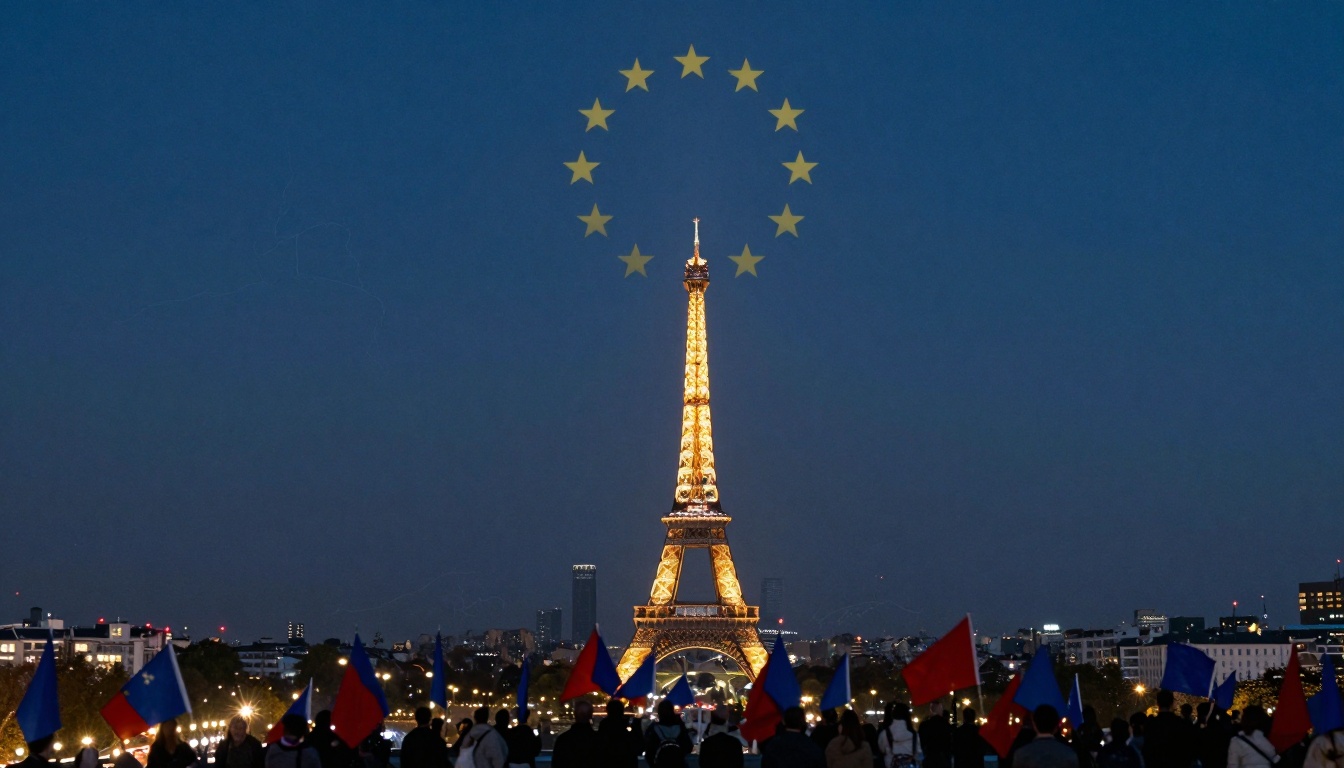
Crowds cheered in Paris streets on a warm June night in 2024. Supporters of Marine Le Pen’s National Rally waved blue flags as results poured in. They had topped the European Parliament vote with 31 per cent. In Vienna, similar scenes unfolded. Austria’s Freedom Party notched a record score. These moments marked a high point for far-right groups. Yet questions linger. After such strong showings, do these parties keep climbing? Or have they reached a limit?
The 2024 EU Parliament elections saw far-right success across the continent. They gained seats and led polls in several places. This post looks at those surges, key national votes that followed, signs of slowdown, and what lies ahead. With no full 2026 data yet, trends from late 2025 point to both promise and pushback. Readers will see if the wave builds or ebbs.
The 2024 Breakthrough That Shook Europe
Results from the June 2024 European Parliament elections stunned observers. Far-right parties lifted their seats in most nations. They competed in 40 countries, up from 25 five years before. In six places, they took first spot. Vote shares climbed in 20 countries. Brussels buzzed with alarm as tallies updated late into the night. Officials watched mainstream groups lose ground.
Overall, far-right blocs like Identity and Democracy and European Conservatives and Reformists grew. They claimed about 25 per cent of seats combined. Losses hit just four countries. Voters voiced anger over migration, high costs, and green rules. These issues drove people to parties promising strict borders and lower taxes. For full results, check this UK Parliament briefing on EU elections.
The shift felt real. Factories in Germany hummed with talk of change. Families in Italy grumbled about boats from Africa. Polls captured raw frustration. Yet national elections tell a fuller story. Those votes came soon after and tested the momentum.
France Leads the Charge with National Rally
France set the pace. National Rally grabbed 31 per cent in the EU vote. That sent 30 members to Brussels. Leader Marine Le Pen smiled at victory speeches. Her party pulled ahead of President Macron’s group by double digits.
Voters fled traditional options. Working-class towns in the north swung hard right. Even some suburbs joined in. The snap national elections in July saw RN lead the first round. But rivals formed a left bloc to block them. Still, the party held firm ground. Support hit record levels among under-35s.
Austria and Others Follow Suit
Austria matched the energy. The Freedom Party scored 29 per cent in the EU poll, its best ever. By September, it topped national elections with 29 per cent too. Crowds filled squares in Salzburg, horns blaring.
Belgium’s Vlaams Belang took second place federally. Portugal’s Chega jumped to 18 per cent. Romania’s AUR surprised with gains. These groups, old and new, tapped local gripes. In the Netherlands, Geert Wilders’ party eyed power. Patterns emerged: border fears and economic pain fuelled rises everywhere.
Gains in National Polls Paint a Mixed Picture
National votes after the EU elections mixed triumph with hurdles. Austria’s Freedom Party won most seats in September 2024. It aimed for the chancellery. But talks dragged on. Partners shied from full deals.
Belgium saw Vlaams Belang as runner-up. That forced talks on Flemish independence. France’s National Rally led early but faced a wall in run-offs. Left and centre united to limit seats. Imagine coalition builders in smoke-filled rooms, weighing risks.
Early 2026 polls show continued pull. In Germany, Alternative for Germany leads at 26 per cent nationally. It tops eastern state surveys at nearly 40 per cent. Youth back it most now. France’s RN builds for city votes. Italy’s groups hold sway. Yet mainstream parties adapt. They toughen migration talk to claw back voters.
These results hint at peaks. Far-right highs force others to respond. Power stays elusive without allies. Trends suggest growth slows as blocks form. Watch for 2026 tests in Germany and Sweden.
Why the Rise Might Hit a Wall Soon
Far-right climbs face real checks. Voters tire after big pushes. Scandals hit leaders. Left groups team up fast. Economic upticks pull focus elsewhere.
In France, RN’s lead faded in July 2024 run-offs. Allies blocked prime minister hopes. Austria’s win stalled on government pacts. Partners demand moderation. History shows peaks: Italy’s League topped out; France’s old National Front plateaued.
By late 2025, patterns hold. Germany’s AfD surges but faces no-partner vows from others. Youth appeal grows, yet EU favour sits at 60 per cent. Migration heat cools as numbers drop. Parties risk overreach with harsh words. Mainstream copies their lines on borders and costs.
Projections for next EU seats see centre slips but no far-right takeover. See this September 2025 seat forecast. Gains creep, not storm. Society pushes back too. Protests fill streets against extremes.
Coalition Blocks and Voter Backlash
France’s 2024 tactic set the tone. Rivals withdrew candidates to unite votes. National Rally won most but not enough. Similar moves hit Belgium and Portugal.
Mainstream parties label far-right toxic. They shun power shares. Voters split: some cheer blocks, others cry foul. Backlash grows when deals fail. Trust dips all round.
Conclusion
Far-right parties hit highs in 2024. France’s National Rally, Austria’s Freedom Party, and others led EU and national polls. Gains spread to Germany and beyond by 2026. Yet coalitions and backlash cap power.
Europe tests limits now. Blocks hold firm, but polls shift quick. Watch 2026 votes in Germany, Sweden, and France for clues. Track shifts on CurratedBrief for daily updates. What path will the continent take next? Your thoughts shape the story. Stay tuned.
(Word count: 1,482)