
Listen to this post: Women and Girls at the Centre of Humanitarian Crises in 2026
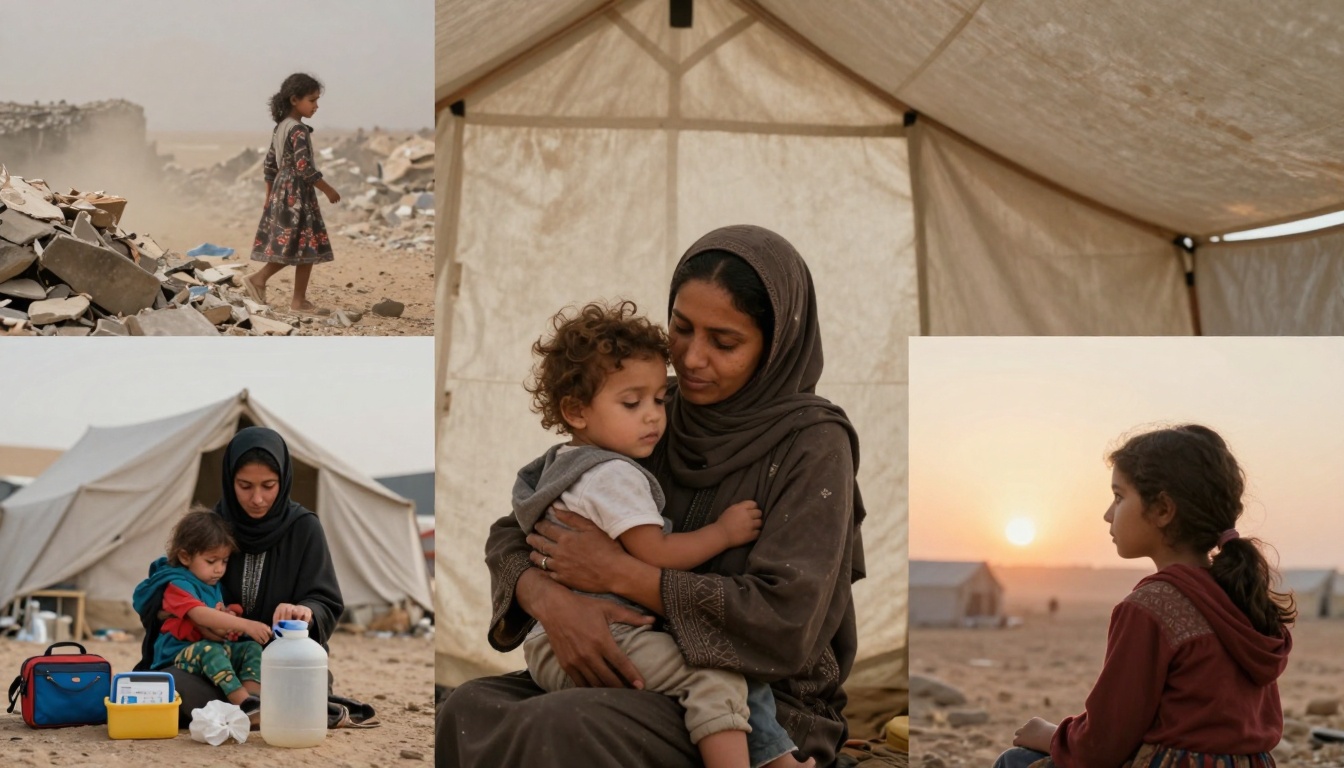
Picture a mother in Sudan. She clutches her toddler close as dust swirls around their tent. Famine grips the camp, and clean water lies a mile away. Or think of a girl in Gaza. Bombs echo nearby while she flees with no safe place for her period or wounds. These scenes play out daily. Women and girls sit at the heart of crises in places like Gaza, Sudan, Ukraine, and Afghanistan.
Stats paint a grim picture. Some 12 million women and girls risk losing vital health services soon. In Sudan alone, 9.7 million need urgent aid amid hunger and floods. Ukraine sees 76% of its displaced as women and children, over 3.7 million inside borders. Funding drops mean 55% of gender-based violence survivors in the Sahel get no help. Wars, disasters, and old rules hit them first. They face rape, hunger, and shattered dreams. Barriers block jobs, schools, and clinics.
Yet hope flickers. Aid groups train midwives, build safe spaces, and fight child marriage. Simple acts break cycles of harm. This piece spotlights dangers, hotspots, and wins. Readers will see why action matters now, in January 2026.
Key Dangers Women and Girls Face Right Now
Crises strip women and girls of safety and basics. Crowded camps breed violence. Hunger weakens bodies during pregnancy. School bans trap girls at home. These threats form loops: a beaten woman can’t work, so her kids starve. Real stories from 2026 show the toll.
Take economic traps. Women lead 76% of displaced families in Ukraine. Job bans in Afghanistan leave them begging. Child marriage jumps 20% there as families cope. Girls fetch water at dusk, easy targets for attack. One wrong step, and assault follows.
Health crumbles too. Post-earthquake Afghanistan sees 24,000 women give birth monthly without care. Sudan mobile clinics rush kits, but famine starves 9.7 million. Gaza blocks aid, so mothers deliver under rubble.
Education vanishes. Afghan girls stay home, ripe for early weddings. These losses echo for generations.
Gender-Based Violence Hits Hardest
Attacks surge in chaos. In the Sahel, over half of survivors lose support. Burkina Faso leaves 52% of cases open; over 500 women risk total cutoff. Nigeria stalls 42-67% of reports. Mali waits on 90%.
Ukraine weaponises rape. Camps lack private counselling, so trauma festers. Picture a young woman in a Burkina tent. She whispers her story to a volunteer, eyes down. No follow-up comes. Crowds hide abusers. No lights mean night raids. Funding cuts shut services three to five months.
Local groups can’t fill gaps. Governments lack cash. Survivors stay silent, cycles repeat.
Health and Survival Risks for Mothers
Mothers bear the brunt. Gaza women birth without kits or warmth. Afghanistan quakes hit remote villages; midwives trek hours. UNFPA flags gaps for 12 million.
Sudan famine kills babies before birth. A labouring woman under canvas fights pain alone. No sterile tools mean infection. Long-term, weak mums raise frail kids.
Training helps, but short. Mobile units save some. Still, deaths climb.
Hotspots Where Crises Hurt Women Most
Sudan tops the list. Famine chokes 9.7 million women and girls. They queue for food kits, but rape stalks paths. Counselling teams race against odds. Dust roads clog aid trucks.
Ukraine freezes in winter tents. Some 3.7 million displaced inside, 76% women and kids. Missiles smash clinics. Sexual violence scars thousands. Heat shortages hit pregnant women hard. The IRC’s top 10 crises for 2026 ranks it high.
Afghanistan starves 12.6 million amid bans. Girls can’t study past primary. Child marriage soars 20%. Earthquakes bury homes; 6.3 million need aid. Parks and jobs stay off-limits.
Gaza piles pain. Blocks halt health aid. GBV spikes in rubble shelters. Births happen raw.
Sahel adds heat. Burkina Faso and Mali see GBV explode. Yemen echoes with hunger. Patterns repeat: flight swells camps, marriage rates climb, services lag. Women for Women flags eight crises to watch. Frozen tents in Ukraine mirror dust bowls in Sudan. Urgency builds as 2026 deepens.
Bright Spots: Aid That Makes a Difference
Aid cuts pain where it lands. UNHCR shields refugees with safe routes. Oxfam digs wells, hands food, sets women-only spaces. No more dusk treks.
Save the Children runs classes. Afghan girls learn skills against wedding pressure. In Sudan, kits include soap and pads.
Women for Women trains survivors. Sudan gets dignity packs; Ukraine mental health circles ease rape scars. Rohingya girls study in camps.
Local partners shine. Midwife classes in Afghanistan reach villages. Mobile clinics in Sudan dodge floods.
Watchlists spotlight forgotten spots, like Sahel edges. Donors must step up. UN Women facts on peace and security show funded gender plans save lives.
Imagine a camp girl. She stitches bags, earns cash, dreams big. These wins prove small funds spark change.
Stand with Women and Girls: Act in 2026
Women and girls weather the worst: GBV in Sahel camps, famine births in Sudan, bans in Afghanistan, bombs in Gaza and Ukraine. Stats scream: 55% survivors adrift, 76% displaced, millions hungry.
But aid lights paths. Safe spaces heal, classes empower, clinics save mums.
You can help. Donate to UNHCR or Oxfam funds. Share these stories. Push leaders for gender budgets.
Picture girls in class, mums holding healthy babies. That future waits. Act now, in this January 2026. Your move counts. What will you do today?