
Listen to this post: The Geopolitics of Shipping Routes, Canals and Ports (Why a Few Narrow Waterways Shape Your Prices)
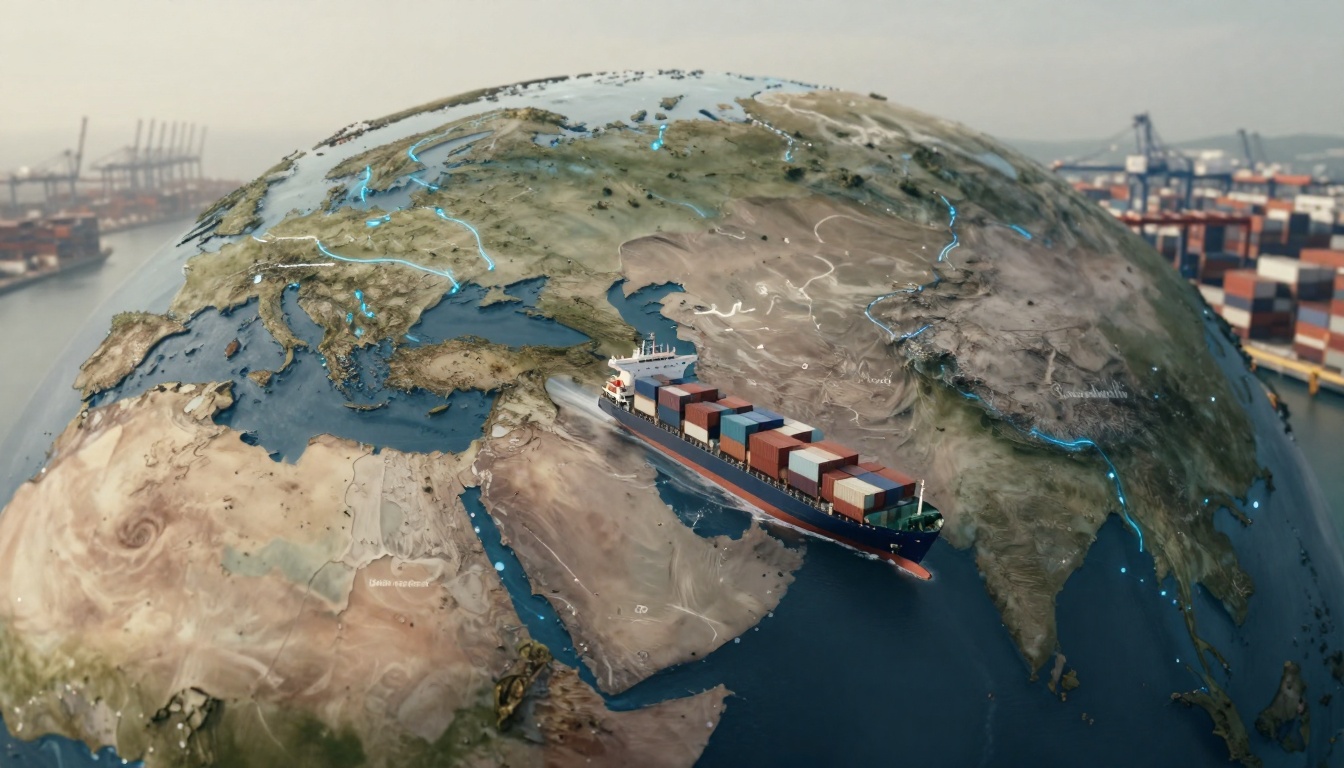
A container ship sits offshore, engines low, waiting for a berth. On land, a supermarket shelf has a neat gap where a familiar item should be. Nothing looks dramatic, but the link between those two scenes is maritime trade. Most physical goods still move by sea, packed into steel boxes and threaded through a small set of routes that the world shares.
Here’s the catch: open ocean is wide, but global shipping keeps getting funnelled through narrow places. Straits, canals, and a handful of mega-ports act like toll gates. When risk rises, or capacity drops, the ripple reaches factories, fuel bills, delivery dates, and household prices.
This guide explains the main routes, who gets to set the rules, what happens when those routes feel unsafe, and which signals are worth watching in 2026.
The world’s sea highways, and the chokepoints that act like toll gates
Most voyages are simple on paper: ship leaves Port A, crosses open water, reaches Port B. Open-ocean routing is flexible, because a vessel can shift a little north or south without much changing.
Chokepoints are different. They’re narrow straits, canals, and busy sea lanes where ships must pass close together. A minor disruption can become a major cost because ships can’t “spread out” to avoid it. The price of that risk shows up fast in fuel, crew costs, and insurance.
If you want a grounded overview of where the world’s trade bunches up, this summary of critical maritime trade chokepoints is a useful starting point.
Suez, Bab el-Mandeb, and the Red Sea detours that ripple into Europe
The Red Sea corridor is a classic example of how geopolitics turns into late deliveries. In January 2026 reporting, the pattern is clear: Houthi attacks stopped in October 2025 after a ceasefire, but confidence hasn’t snapped back. Suez Canal traffic is still well below recent years, and lines are returning slowly. Maersk, for example, announced in mid-January 2026 it was restoring a first container service between the US and India via Suez, a sign of cautious re-entry.
The risk is also political, not only tactical. A fresh Houthi threat broadcast on 15 January 2026 reminded ship operators that “safe” can change overnight, even if the last incident was months ago.
The knock-on effects are practical:
- A diversion around the Cape of Good Hope stretches voyages, burns more fuel, and ties up ships for longer.
- Fewer available ships means higher rates, even for routes nowhere near the Red Sea.
- When services return, ports can get a sudden wave of late arrivals, then yard congestion, then more delays.
A simple example: a two-week detour can turn into a month of disruption if late vessels arrive together, miss booked rail slots, and force warehouses to reshuffle labour and storage plans.
Hormuz, Malacca, and the South China Sea, why energy and Asia trade sit on a knife edge
The Strait of Hormuz matters because energy exports squeeze through it. Even talk of harassment, drone strikes, or temporary closures can lift prices, because markets don’t wait for a full blockade. For background on how oil flows are measured through these bottlenecks, the EIA’s World Oil Transit Chokepoints report (PDF) is one of the clearest references.
Further east, the Strait of Malacca and the South China Sea are the core lane for factory-to-shop trade. Here, tension can change behaviour without a single shot fired. Shipping firms might:
- Pay war-risk premiums for certain waters
- Add onboard security or follow naval guidance
- Choose longer routes to avoid inspection pressure or confrontation
The result is rarely a clean “stop”. It’s more like sand in the gears: higher costs, slower transit, and less predictable schedules.
Canals, ports, and power: who gets to set the rules
Control at sea isn’t only about warships. It’s also about permits, pilots, fees, dredging, cranes, terminals, and data. Ports and canals are where global trade becomes local authority. A single decision on scheduling, security, or access can reset timelines for thousands of containers.

Photo by Victor Puente
Suez and Panama as political pressure points, and what happens when capacity drops
A canal is a man-made shortcut, but it behaves like a one-lane road in rush hour. “Capacity” is the real currency: how many ships can pass each day, at what draft, under what safety rules. When that capacity falls, there’s no instant fix. Shipping networks are built around fixed timetables and port windows. If a service misses its slot, it may wait days for the next.
Security scares matter just as much as water levels or maintenance. Even when the Suez corridor is technically open, operators may keep detours in place until risk feels priced and stable. That’s why recovery can lag behind headlines.
Shippers hedge in plain ways: splitting cargo across routes, using different hubs, or shifting some volumes to rail where possible. The downside is that hedging moves congestion around, pushing power towards ports with spare cranes, strong rail links, and faster customs handling.
Ports as long-term chess moves, from Belt and Road deals to security screening
Ports are long-term assets. A lease, a terminal concession, or a financed expansion can shape trade for decades. China-backed port projects are often discussed under the Belt and Road label, and the incentives are usually straightforward: secure throughput, build influence through infrastructure, and connect shipping to inland logistics zones. It doesn’t need conspiracy to be strategic.
Other states respond with tougher screening and clearer rules on who can own, operate, or supply sensitive parts of port infrastructure. Security checks, export controls, and “friend-shoring” supply chains all show up at the quay side as paperwork, inspections, and sometimes delayed clearance.
If you want a broader policy lens on why chokepoints sit inside defence planning, this piece on NATO and maritime chokepoints lays out the strategic logic in plain terms.
When routes turn risky: the hidden costs that decide where ships actually go
When a route feels unsafe, the map doesn’t change first. The spreadsheets do.
Companies make routing choices under pressure in layers. The first layer is immediate: insurance terms, crew safety, and contract clauses. The second layer is operational: inventory buffers, alternative ports, and revised delivery promises. Governments add a third layer through naval patrols, sanctions, and diplomatic signalling.
Research also shows that chokepoint shocks don’t stay local. Disruption can cascade through networks in ways that are hard to unwind, even after the “event” ends. This paper on the systemic impacts of maritime chokepoint disruptions explains that network effect without relying on drama.
Insurance, war-risk fees, and why ‘safe’ can be more expensive than ‘short’
War-risk premiums are an extra insurance cost applied to specific waters for a specific period. Behind that price is reinsurance, which spreads risk across the global insurance market. The important point is speed: one incident, or one credible threat, can re-rate a corridor overnight.
A simple before-and-after example: a line that normally sends ships through a canal may keep the route open, but add a war-risk surcharge, pay higher crew bonuses, and accept slower passage at night or under escort guidance. Another line may refuse the route entirely, because labour contracts and union pressure can make “optional risk” a non-starter.
So “shorter” doesn’t always win. A detour can be cheaper if it avoids volatile costs, reputational risk, and the chance of a single incident turning into a stranded ship and a legal mess.
Sanctions, ‘dark fleets’, and how rule-breaking reshapes sea traffic
Sanctions don’t just block trade, they redirect it. By 2026, Russia-linked “dark fleet” tactics are widely discussed: flag changes, gaps in tracking signals, and ship-to-ship transfers that blur origin and ownership. The issue goes beyond politics.
When ships operate with weaker oversight, the risk of collision, spill, or poor maintenance rises. Ports then react with tighter checks. That can slow legitimate cargo too, because authorities don’t have infinite inspection staff or berth capacity for long investigations.
Sanctions also create new corridors. Buyers change suppliers, and sellers find new ports willing to handle volumes. Over time, that rewires relationships between shipping lines, insurers, and regional hubs, and it can leave some established ports with less clout than their cranes suggest.
What to watch next in 2026: new routes, new bottlenecks, and the ports that could win
The future won’t arrive as a single headline. It will show up as small changes that repeat: a queue that doesn’t clear, a surcharge that doesn’t fall, a port that suddenly looks “reliable” compared to its rivals.
UN agencies have been warning for years that chokepoints amplify shocks. The UNCTAD Review of Maritime Transport 2024 overview (PDF) is still a strong guide to the pressure points that tend to return.
Arctic routes, shorter trips, and the politics of ice, ships, and search-and-rescue
Arctic passages keep getting attention because the distance between Asia and Europe can shrink on a map. But geopolitics thickens there fast. Control often sits with Russia along the Northern Sea Route, and that can mean fees, escort rules, and limits tied to season and ship class.
There’s also a hard practical constraint: search-and-rescue capacity is thin, weather turns quickly, and insurance pricing can be punishing. For many carriers, the Arctic is still an option for niche cargo and short windows, not a full replacement for Suez.
Early warning signs readers can spot without being an expert
A few signals tell you when pressure is building:
Canal queue updates: long waits hint at knock-on port congestion weeks later.
Freight rate jumps: a quick rise often means ships are tied up on longer routes.
War-risk notices: these can foreshadow rerouting even without new attacks.
Port congestion maps: when hubs clog, smaller ports can suddenly “win”.
New sanctions rounds: enforcement changes can slow paperwork and inspections.
Naval escort news: escorts can restore confidence, but they can also slow traffic.
Conclusion
Shipping geopolitics isn’t abstract. It’s the reason a narrow strait can nudge energy prices, and why a canal queue can turn into missing stock on a shop floor. A small number of routes and ports carry outsized influence, because trade concentrates where passage is easiest, cheapest, and usually safest.
The practical mindset for 2026 is simple: follow the chokepoints, watch policy moves, and expect companies to keep building backup plans, even if the headlines go quiet. Next time you picture global trade, don’t imagine a wide ocean. Picture a map where everything squeezes through one thin line, and containers stack higher as cranes race the clock.