
Listen to this post: The Race to Protect Oceans and the Fight Over Deep-Sea Mining
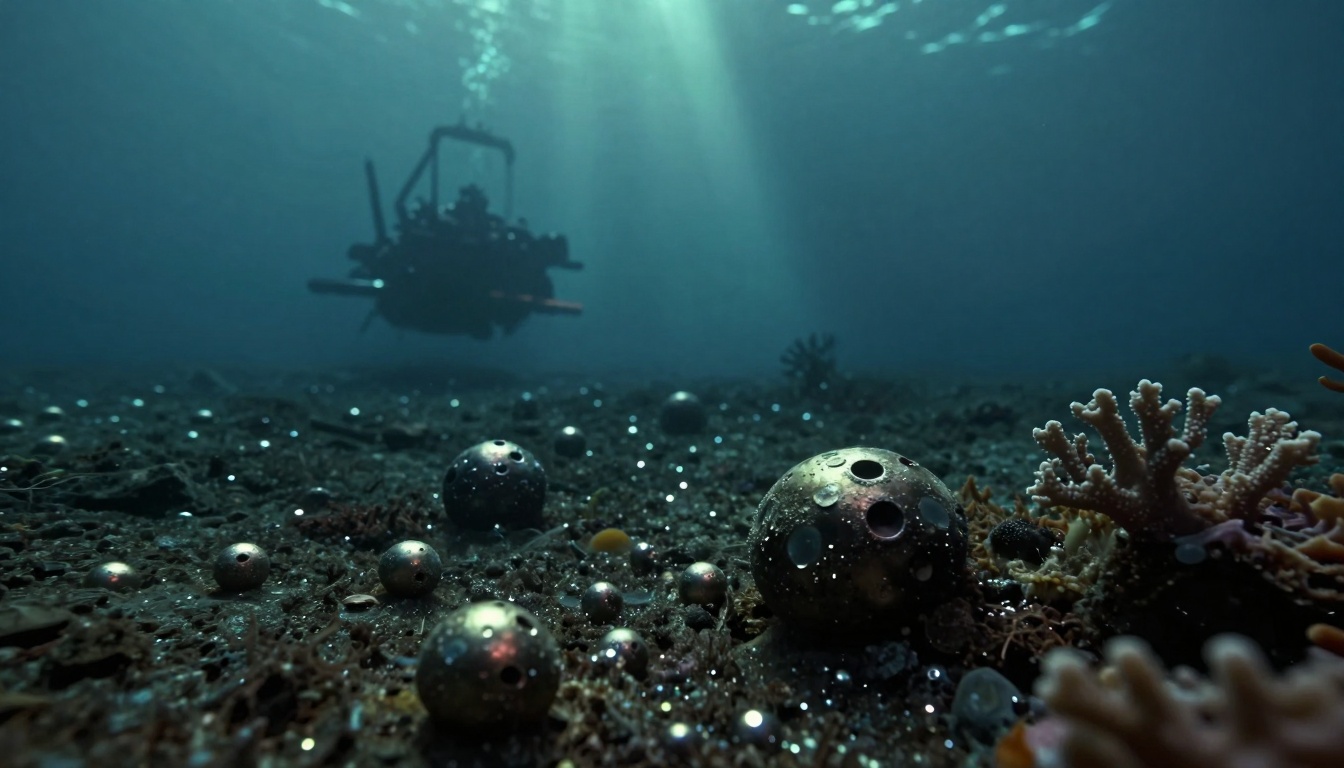
Picture the deep ocean floor, a pitch-black world two miles down where sunlight never reaches. Strange creatures glow in the dark, and potato-shaped rocks lie scattered like forgotten treasures, formed over millions of years. Countries and companies now eye these rocks for metals vital to batteries in electric cars and phones. Yet others stand firm against it, fearing machines will scar this hidden realm forever. No commercial deep-sea mining has begun as of January 2026, but pressure mounts.
The clash boils down to this: nations crave nickel, cobalt, copper, and manganese to fuel green energy, while scientists warn of harm to sea life we scarcely understand. Land supplies falter under China’s grip and environmental costs, so eyes turn seaward. The International Seabed Authority (ISA) stalled on exploitation rules after failed 2025 talks, with key meetings set for 2026. The US pushes ahead via executive orders, even as 38 countries call for pauses. This standoff tests our balance between tech needs and ocean health.
What Drives the Hunt for Seafloor Minerals
Polymetallic nodules dot vast plains like the Clarion-Clipperton Zone in the Pacific, each the size of a potato and rich in battery metals. These lumps grow slower than a fingernail over millions of years, soaking up nickel for EV batteries, cobalt for phone power packs, copper for wiring, and manganese for steel. Demand surges as electric vehicles multiply and wind farms expand.
Land mining struggles to keep pace. It ravages rainforests and pollutes rivers, and China controls most supplies, sparking supply fears. Seabed nodules offer a fresh source, free from such mess on the surface. The ISA holds 31 exploration contracts over 1.3 million square kilometres, but no mining code exists yet. Nauru’s “two-year rule” forces action soon, or nations might go solo. Companies test collectors, eager to start.
This rush stems from clean energy goals. By 2030, battery needs could eat half the world’s cobalt. Seabed hauls promise steady flow without geopolitical fights over land mines.
Top Companies and Countries in the Frontlines
The Metals Company (TMC) leads with Nauru sponsorship and US license bids to dodge ISA delays. Its tests in the Pacific draw eyes. Loke Marine Minerals eyes Norwegian waters, while China Minmetals ran 2025 trials. Norway planned 2026 starts but paused to 2029 over green worries.
The US, outside ISA via no UNCLOS ratification, issued a 2025 executive order under Trump to speed permits through NOAA. China pushes for zones to match its land power. Yet 64 firms like Google and BMW urge a halt, refusing deep-sea metals till risks clear. Banks and insurers pull back too.
The Pull of Critical Minerals for Clean Energy
These metals make batteries work in your electric car or laptop. Nickel boosts range, cobalt holds charge, copper links circuits. Without them, the shift from fossil fuels stalls.
But options exist. Recycling could supply 40 per cent of copper by 2050, and new battery tech cuts cobalt use. Seabed costs stay unknown, with tech unproven at scale. For now, land tweaks and substitutes might bridge gaps, sparing the ocean bed. Check what we know about deep-sea mining from experts.
How Deep-Sea Mining Threatens Ocean Life
Giant machines, heavier than blue whales, would crawl the seafloor, vacuuming nodules and grinding habitats to dust. One test run could wreck thousands of square kilometres, like bulldozing a city block every hour. Sediment clouds billow hundreds of kilometres, blanketing corals, fish, and plankton in muck. Noise echoes for whales, and carbon trapped in sediments escapes, feeding climate change.
Over 90 per cent of deep species remain unknown, from glass sponges to zombie worms that live on bone falls. Oil leaks and chemical spills add poison. Recovery? Perhaps never, as life grows so slow. Protection groups like the Deep Sea Conservation Coalition warn of chains broken forever. See their key updates from ISA’s 2025 meeting, where 37 countries backed pauses.
Plumes smother filter feeders, starving fish above. Toxics climb food webs to tuna we eat. This isn’t distant; it’s our global pantry and climate shield at risk.
Direct Hits to Seafloor Worlds
Nodules host microbes and worms in a quiet web. Scraping them kills it all, leaving barren scars. Plumes spread 100 kilometres or more, clogging gills and burying eggs. In the Clarion-Clipperton Zone, 5,000 species live unseen. One collector pass equals habitat loss the size of London. Machines stir mud for weeks, halting life.
Vivid life thrives there: sea lilies sway, octopuses hunt in caves. Gone in a scrape, with no quick regrow.
Ripple Effects on Climate and Food Chains
Sediments store carbon like a vast bank. Disturb them, and CO2 floods out, worsening warming. Methane bubbles could burst too. Noise pings disrupt whale songs across oceans, confusing calves.
Toxics like heavy metals bio-accumulate, hitting seabirds and humans via seafood. Plankton dies, crashing chains to cod stocks. It’s a domino fall from depths to dinner plates.
Growing Pushback and Protection Wins
Hope rises as voices grow loud. The High Seas Treaty kicks in January 2026, paving marine protected areas and impact reviews beyond national waters. No mining ban, but it boosts 30 per cent ocean safeguards by 2030. Over 1,000 scientists from 70 countries demand moratoriums till science catches up.
Norway shelves plans to 2029. The US holds January 2026 hearings amid calls for caution. The UK signed the treaty but awaits ratification. Groups like Global Ocean Biodiversity Initiative map no-go zones. Insurers shun coverage, and seafood firms join bans. ISA faces heat in 2026 talks.
This momentum slows the race, buying time for study.
New Treaties Shielding High Seas
The treaty covers two-thirds of oceans, enabling protected nets against mining. Brazil pilots zones, with more planned. It mandates environmental checks, data shares, and benefit splits. Sixty ratifications sealed it; now nations act.
Projects shield vulnerable spots like nodule fields. It ties to UN goals, pressuring miners to prove safety first. Greenpeace UK’s deep-sea mining overview details the threats it fights.
A Delicate Balance Demands Caution
Deep-sea mining tempts with metals for a greener world, yet proven risks to unknown life loom large. Machines could scar forever while recycling and tech fill needs. The 2026 ISA meetings will tip the scale, with stalled rules, US bids, and Norway’s pause showing cracks in the rush.
Pause for science; we know too little to gamble. Watch ISA sessions, back ocean petitions, and track treaty wins. Follow news on platforms like CurratedBrief for updates. Our oceans deserve care, not haste. What side will you take in this underwater battle?