
Listen to this post: The Future of Globalisation: Culture Takes Centre Stage Over Trade
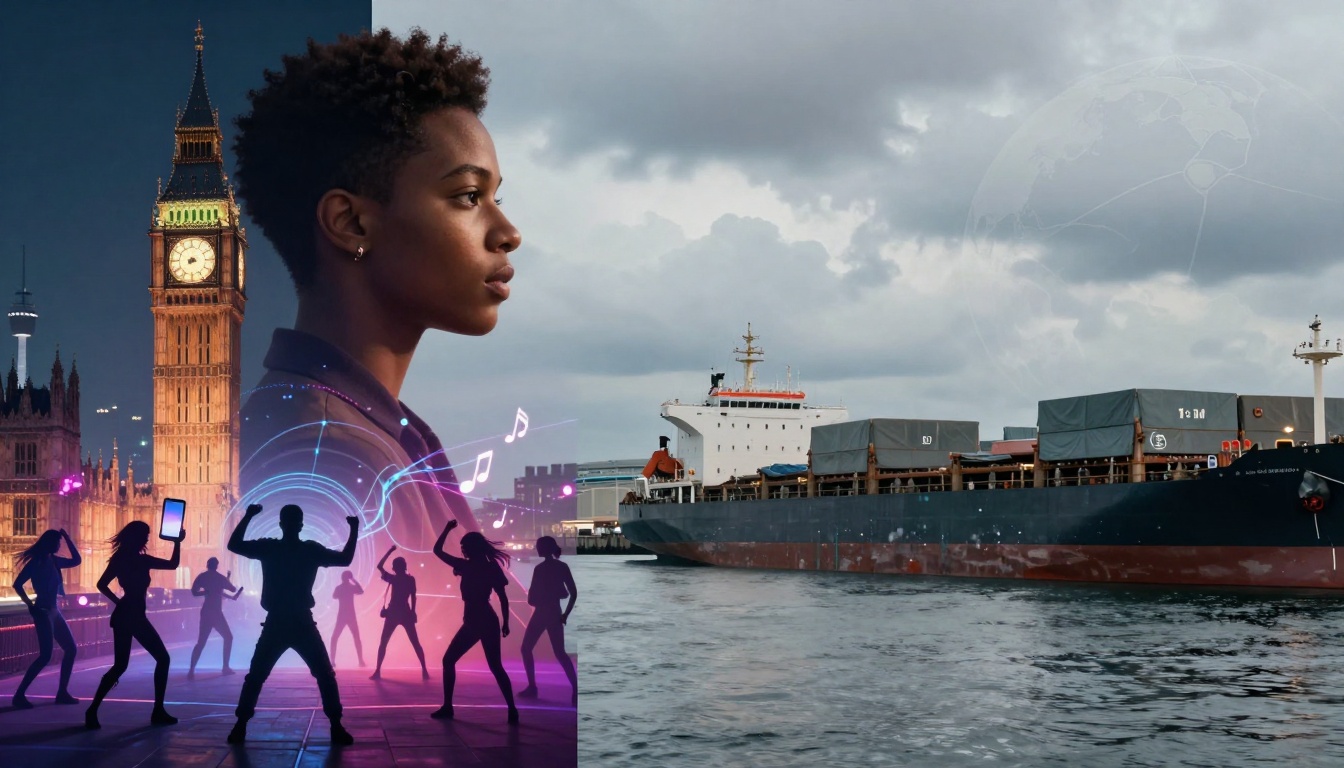
Picture this: K-pop fans in London sway to the same pulsing beats as kids in Seoul, their phones lit up with shared dances. Meanwhile, massive trade ships bob idle in harbours, held back by fresh tariffs. Globalisation once meant cheap T-shirts from halfway across the world. Now it means apps, memes, and music that cross borders in seconds.
Trade growth crawls at just 2.6% in 2026, squeezed by US-China tensions and rising regional blocs, according to recent UNCTAD data. Yet culture surges ahead. Digital streams, migration, and soft power weave people closer than any cargo route ever did. Ideas flow free while goods face walls. What does this mean for our connected world? Let’s trace the shift.
Trade Barriers Rise as Old Globalisation Slows Down
Factories hum nearer to home markets now. Companies chase safety over savings as tariffs bite and supply chains snap back to regions. Asia links tight with itself; Africa builds its own loops. India and Vietnam grab orders once bound for China. Global trade hit 2.5% to 3% underlying growth after 2025’s rush imports faded.
Geopolitics fragments the old model. Governments slap duties to shield jobs and grab control. Europe’s carbon taxes push firms to cut emissions or pay up, reshaping flows from high-polluters. UNCTAD notes risk rules the day: firms stockpile parts close by, even if costs climb. Prices tick higher for shoppers, but local hires fill factories.
Take Vietnam. Its exports soared as brands fled China. Workers there assemble phones once made far east. Africa sees similar stir: regional pacts cut duties within blocs, sparking truckloads of goods over oceans. Yet this “friendshoring” leaves poorest nations out. Ships still sail, but slower, pricier. Culture steps in where crates stall.
For top trends on this redraw, check UNCTAD’s January 2026 trade update.
How US-China Rivalry Reshapes Supply Lines
Tech tariffs spike. The US blocks chips and rare minerals; China hits back with export curbs. Firms scatter: Taiwan fabs expand in America, phone parts shift to Mexico. 2026 data shows trade growth dips below 3% from this feud.
Apple sources screens closer to buyers. Tesla mines lithium nearer plants. Diversification rules. Costs rise 10-20%, but blackouts fade. Buyers pay more for gadgets, yet chains sleep better.
Cultural Connections Boom Through Screens and People
Screens light up with borderless joy. TikTok challenges unite Mumbai teens and Manchester mates. AI spits out songs blending Lagos beats with LA hooks. Tokenized payments zip cash across G20 lines, no banks needed. Pop surges: K-pop packs stadiums from Jakarta to Johannesburg.
Bollywood dances invade Netflix queues worldwide. Streaming hours jumped 25% in developing spots, per recent reports. Fans remix hits, share edits, build tribes online. South-South apps thrive: African creators sell clips to Asian viewers, cash flowing instant.
People mix too. Young migrants pack factories in Poland, sharing jollof rice recipes via WhatsApp groups. Their kids fuse holidays: Diwali lamps beside Christmas trees. Apps track festivals, pulling crowds to hybrid events. Consumption booms as tastes blend.
This digital rush outpaces goods. A playlist hops continents faster than a container ship.
Digital Tools Make Culture Go Viral Worldwide
AI crafts content that clicks everywhere. Tools mash Nollywood drama with local slang, views explode. BRICS nations push non-dollar payments; trade in culture skips old rails.
Streaming blends scenes: a Kenyan star duets with a Korean idol, millions watch live. Token finance settles fan tips in seconds. Data shows AI lifts spending 15% on borderless fun.
Migration Fuels Everyday Cultural Blends
Workers flock from Asia and Africa to new hubs. In Dubai factories, Filipino cooks spice up canteen curry for Nigerian crews. Apps spread recipes home; families try them.
London markets sell plantain beside pies. These blends drive sales: fused foods top charts. Young migrants fuel 4% consumption growth in hosts, mixing lives daily.
Soft Power and Pop Culture Lead the New Global Order
Nations wield tunes over tanks. China shares green tech models; adopters copy solar grids without a fight. US pals secure minerals through deals, not drills. 2026 forecasts regional pops in Asia, Africa: hybrids like Indo-African apps.
Clean-tech trade hits $640bn, women lead online trends as aid shrinks. K-pop exports soft sway; fans buy Korean goods loyal. Bollywood sways politics via diaspora votes.
Imagine your gym playlist sparking a global chain: one share leads to collabs, merch, meetups. Ideas breed loyalty goods can’t match. Geopolitics slows migrants, but pixels slip free.
Risks linger: net curbs or fakes could chill flows. Yet culture adapts quick. See McKinsey’s 2026 cooperation barometer for how ties hold in flux.
For more on rewired economies, explore WEF’s take on reglobalization.
Trade walls rise, but culture climbs over. Screens and people knit the world tighter than any port. Globalisation pivots to shared beats, blended plates, viral dreams. In this dynamic environment, global fashion trends in 2026 will reflect the intersection of technology and sustainability. As different cultures influence one another, we can expect to see a rise in avant-garde designs that embrace heritage while pushing modern boundaries. The ever-changing landscape will be driven by consumer demand for authenticity and ethical production practices.
Spot these mixes in your day: that fusion track, street food stall. What’s blending near you? Subscribe to CurratedBrief for fresh takes on global shifts. The future connects hearts first.
(Word count: 1487)