
Listen to this post: How to Stop Letting Social Media Set Your Standards
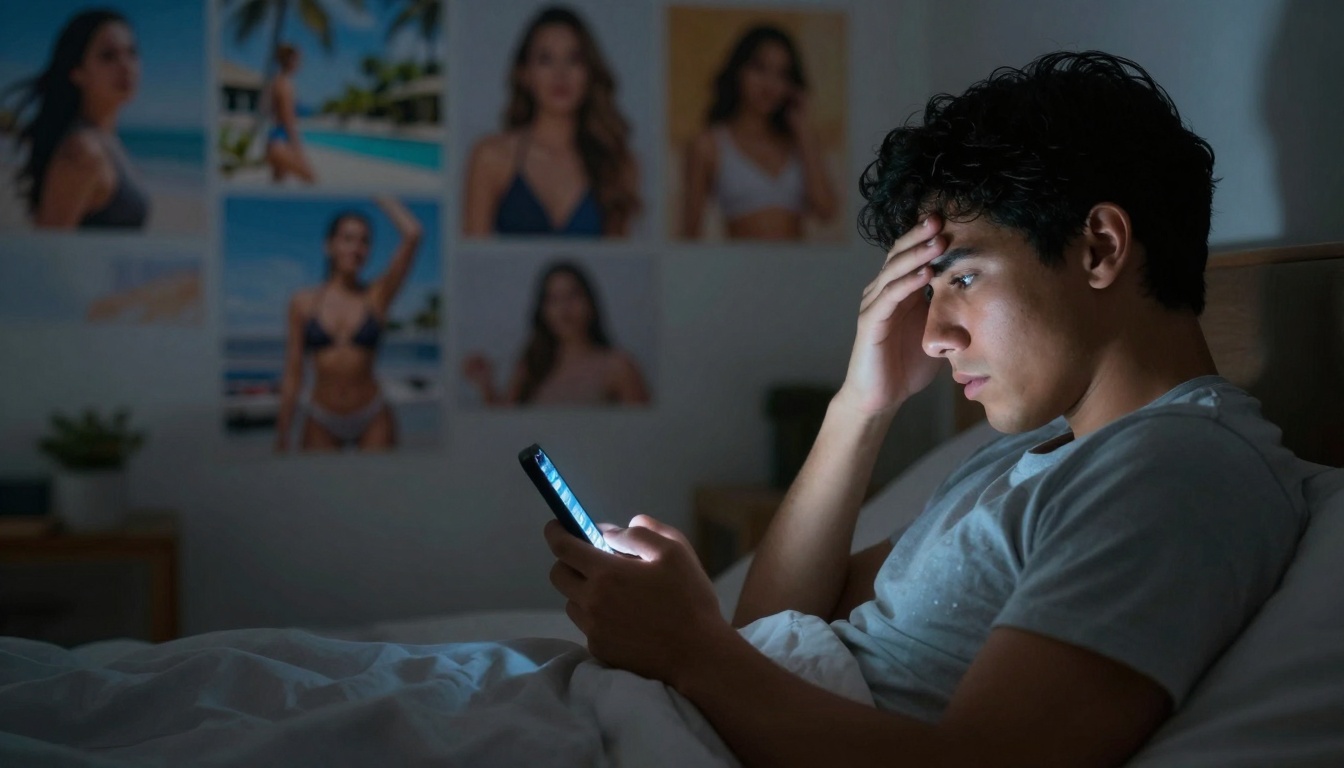
Picture this: it’s 11 pm. You’re tucked in bed, thumb flicking through Instagram. Glossy holidays, toned bodies, and six-figure success stories flood your screen. Each post hits like a quiet punch. You feel small, behind, not quite enough. Social media serves up these polished slices of life. They spark envy and plant doubts about your own path.
Platforms thrive on this. Algorithms push edited highlights that twist what success, beauty, and joy look like. No mess, no fails, just peaks. A UCL study from late 2025 tracked over 2,000 teens and found body image woes at 16 often lead to depression symptoms into your twenties. In the UK, girls aged 13-17 average 3.7 hours daily on apps like TikTok and Instagram, per recent data. Half of girls spot high-risk content on suicide, self-harm, or eating issues in just a week, says new research from the Molly Rose Foundation.
This post breaks it down. You’ll spot how apps reshape your views, check if they’ve hijacked your goals, and grab simple steps to take back control. Feel solid in your skin, chase what fits you. Ready to scroll less and live more?
Why Social Media Quietly Reshapes Your Expectations
Apps don’t yell their power. They whisper through endless feeds. Curated posts of luxe trips, perfect skin, and fairy-tale romances build a comparison trap. You stack your raw Monday against someone’s sun-soaked getaway. Over time, these images rewrite your benchmarks for a good life.
Recent UK stats paint a stark picture. Teens clock over three hours daily on social media, with girls leading at 3.7 hours. Heavy use ties to doubled risks for low mood and isolation. A 2026 University of Manchester study followed teens for three years. It linked screen time not just to hours logged, but to content that stirs anxiety and poor sleep. Pew Research in 2025 found one in five teens say platforms harm their mental health, even as most feel more connected to mates.
Self-esteem takes the biggest hit. Girls face steeper drops; 45% of teens admit they spend too much time online, chipping at confidence. Productivity dips too, with 40% reporting less focus from constant checks. Loneliness creeps in as real chats fade behind likes. Cyberbullying adds fuel, seen by 64% on key apps. These standards feel real because they’re everywhere. Your brain buys the highlight reel as the norm. Anxiety follows when life doesn’t match.
The Success Myth That Keeps You Chasing
Influencers flash private jets and side hustles that rake in cash. Your steady job or cosy flat suddenly looks dull. Viral “hustle” posts promise overnight wins, but they hide the grind. UK data shows 40% of teens link heavy scrolling to slumps in schoolwork. You chase their pace, burn out, and question your worth. Real success rarely posts its boring bits.
Beauty and Lifestyle Pressures That Hurt Most
Filters smooth every flaw. Edits push slim waists and flawless homes as must-haves. For teen girls, 46% report body image pain from this, per ongoing studies. Luxury norms make your wardrobe feel cheap. Toss in cyberbullying, and self-doubt digs deep. Platforms sell an impossible glow.
Signs Social Media Has Taken Over Your Goals
Ever close an app and sigh at your own life? That’s the first clue. Envy bubbles after every scroll through strangers’ wins. You tie your value to like counts, not quiet joys. Real fun gets skipped; a mate’s invite loses to FOMO from glowing posts.
Mood crashes follow. Blue ticks replace sleep, with 45% of UK teens linking late nights to low energy. You pick trends over what lights you up, like trendy diets that clash with your body. Notifications pull you from a park walk. Why enjoy birdsong when a new reel drops?
Relationships shift too. You hunt “perfect couple” vibes from feeds, overlooking the solid one next door. Chats turn shallow, chasing viral laughs over deep talks. Productivity fades; work piles up as you refresh for validation. Do these ring true for you? Honesty here sparks change. Measure against your circle, not a screen. Spot them early, and you halt the slide.
Practical Steps to Reclaim Your Own Standards
You can flip the script. Research backs straightforward moves. Cap scrolls at 30-60 minutes daily to slash mood risks in half. Curate what you see. Scroll smart. Detox often. Track wins that matter to you. These build true grit over time.
Start small. Apps track and block time. Teens under three hours cut depression odds sharply. Journal what lifts you, not what likes earn. Friends notice the shift when you show up fully present.
Limit Your Time and Watch the Change
Set hard stops. Use built-in timers on phones or apps like Freedom. UK girls averaging 3.7 hours see big lifts from bedtime cut-offs at 9 pm. Studies show this halves anxiety ties to screens. Track a week; feel the calm return. Energy surges for what counts.
Clean Up Your Feed for Positivity
Unfollow accounts that spark doubt, like endless flexes. Add real voices: body-positive creators or hobby pros. Experts say this curbs envy fast. Your home page turns helpful, not hurtful. Refresh feels fresh.
Scroll with Purpose Each Time
Pause before opening. Ask, does this add to my day? If not, close it. This mindful trick rewires habits. Over weeks, you check less, doubt less. Feeds serve you now.
Step Away with a Weekly Detox
Pick one day off screens. Dive into books, walks, or kitchen chats. Sleep improves, bonds strengthen. It’s trending for good reason; moods lift quick. Reconnect offline.
Build Lasting Standards Rooted in Your Life
Standards stick when they come from you. Track daily wins: a solid run, kind word, skill nailed. Chat with mates about real goals, not filtered ones. Journal pulls focus inward.
Skip quick-fix online gurus. Real ties beat pixels. In the UK, 38% of adults now share positive offline tales, per recent shifts. Chase aims that fit your world. Health insights from sites like ours stress this: inner worth outlasts trends. You grow steady, free from the scroll’s pull.
Conclusion
Social media reshapes views through comparison traps and fake highs. You spot the signs in envy, mood dips, and lost joys. Simple steps like time caps, feed cleans, mindful checks, and detoxes reclaim control. Build from your wins and real bonds for standards that last.
You hold the power over your scroll. Try one tip today, like a bedtime limit, and note the ease. Picture days rich with your pace, not apps’. What first step calls you? Share below; here’s to lives on your terms.