

Listen to this post: How to Protect Your Mental Health While Creating Content Online
You hit publish. Your phone is warm in your hand. You tell yourself you’ll just check the stats once, just to see if it’s landed.
Five minutes later, you’re still refreshing. Your chest feels tight. A small dip in views starts to feel like a verdict on you, not the post. And even if it’s doing well, the relief doesn’t last. Another upload is already waiting.
If that sounds familiar, you’re not “too sensitive” or “bad at this”. Protecting your mental health while creating content online is part of the job now, because the job lives in your pocket, pings at night, and counts your worth in numbers.
It’s also common. A 2025 creator wellbeing study reported that around 62% of creators experience burnout, and many say they lack proper support (as reported by Tubefilter’s study coverage).
Spot the warning signs before burnout hits
Creators often blame themselves first. “I’m lazy.” “I’m ungrateful.” “Other people post daily, why can’t I?” That story keeps you stuck, because it turns a work problem into a character flaw.
Online creation is a perfect storm for mental strain:
- The work is always-on, and your audience can reach you at any hour.
- A lot of labour is unpaid (research, drafts, reshoots, admin, “being online”).
- Views, likes, saves, and comments can become a scoreboard for self-worth.
Burnout doesn’t always arrive as a dramatic collapse. It can creep in quietly, like a phone battery that never reaches 100% anymore.
Burnout, anxiety, and comparison, what they look like for creators
For creators, burnout can look like “I just need a day off”, repeated for months. Anxiety can look like “I should be grateful”, while your body says otherwise. Comparison can look like scrolling someone else’s success and feeling your own work shrink.
Common signs include:
- Dread before posting, even when the content is good
- Numb scrolling after working, without feeling rested
- Snapping at people you care about, then feeling guilty
- Sleeping badly because your brain keeps replaying comments
- Doom-checking replies, quote posts, and analytics
- Feeling sick when numbers drop, even slightly
- Losing interest in topics you used to love
- “I can’t stop” energy, followed by a crash
None of this makes you weak. It makes you human, working in a system built to hold attention and keep you checking.
Recent reporting on creator wellbeing keeps saying the same thing: burnout and anxiety are widely reported across platforms, not just among “big” creators (see Forbes’ breakdown of creator mental health research).
Which one shows up for you most?
Pressure points that quietly push you over the edge
Some stressors don’t feel dramatic in the moment. They stack.
Algorithm changes: you do the same work, but your reach shifts overnight. It can make you feel paranoid or out of control.
Unclear brand feedback: “Can you make it more you?” sounds friendly, until it means endless revisions and second-guessing.
Inconsistent income: uncertainty drains your nervous system. You’re not just creating, you’re scanning for danger.
Binge working before uploads: the sprint becomes your default. Your body starts to treat every post like an emergency.
Identity fused with performance: “I am my content” turns a low-performing video into “I’m failing”.
A practical way to spot your patterns is a tiny log in your notes app for two weeks:
Mood (1 to 10), task, platform, sleep, money stress, comment exposure.
You’re not trying to diagnose yourself. You’re building a map. Maps reduce fear because they replace “I don’t know what’s happening” with “Oh, this again”.
Build strong boundaries that protect your brain and your time
Boundaries aren’t a personality trait. They’re a system. If your protection plan depends on willpower, it will fail on tired days, and tired days are the ones that need it most.
Start small. Think of boundaries like a fence with a gate, not a wall. You’re not hiding from your audience. You’re choosing when you’re available.
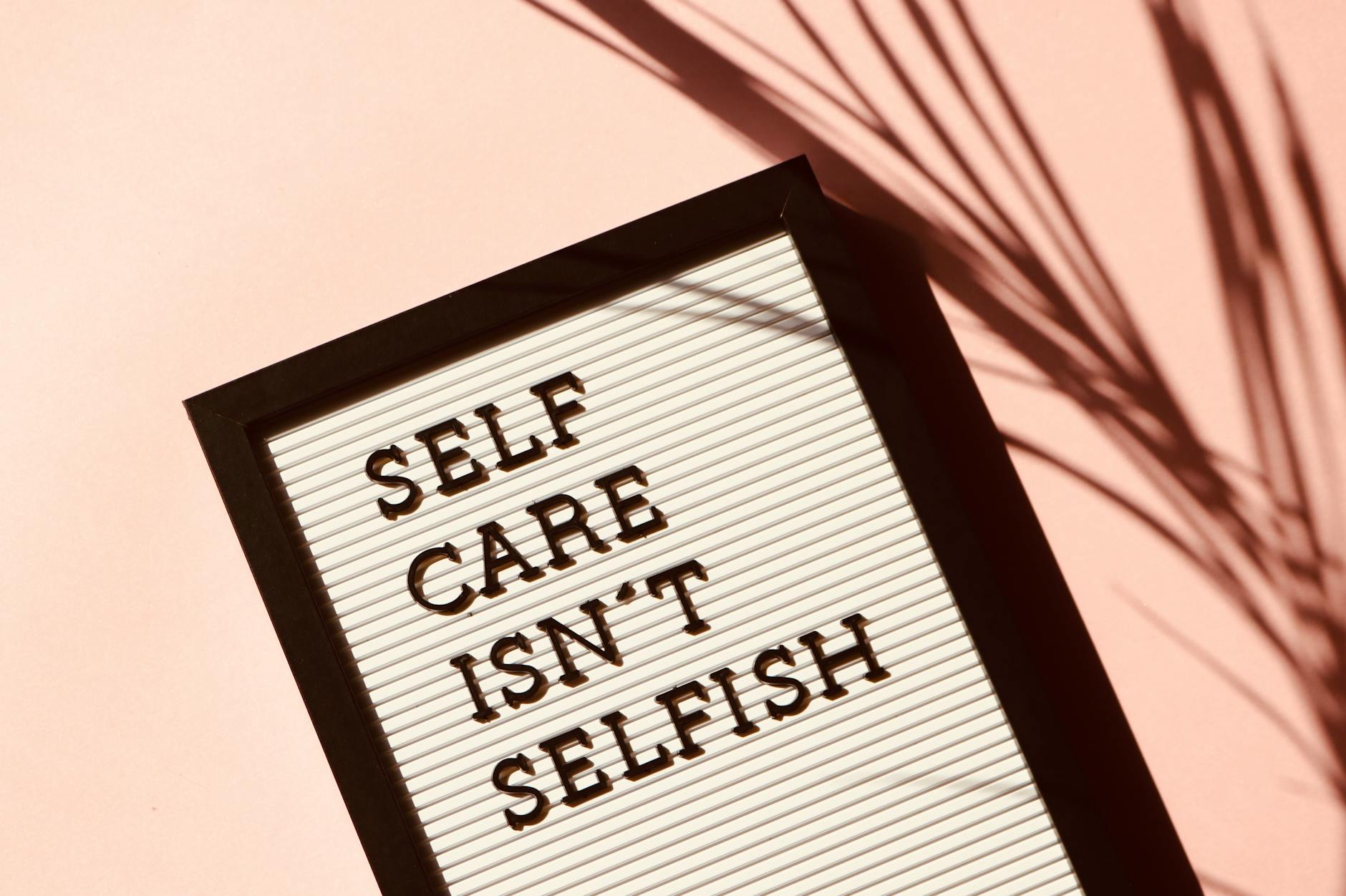
Photo by Madison Inouye
Create a schedule that keeps you consistent without being always on
Consistency helps growth, but “always available” harms your head. A simple weekly shape can stop the week from swallowing you.
Here’s a structure you can copy:
- Batch create block (1 day): plan, film, write, or record.
- Batch edit block (1 day): editing only, no posting rabbit holes.
- Admin block (half day): emails, invoices, thumbnails, captions, scheduling.
- Rest block (half day or a full day): off-screen, no “just checking”.
Then choose posting windows, not posting whenever you feel anxious.
Creator type tweaks, in plain terms:
YouTube: aim for one strong upload cycle, then take your hands off the wheel for 48 hours.
TikTok or Reels: schedule short bursts, but keep a hard stop time, or it will bleed into the evening.
Newsletter: write ahead when you can, and set a send day that doesn’t steal your weekend.
Blogging: separate writing days from optimisation days, because SEO tweaks can become endless.
This is where time-boxing matters. A lot of creator work is unpaid, so if you don’t set a container, the work expands to fill your whole life.
A helpful rule: no analytics during creation. Let your brain make things without being graded mid-sentence.
Set rules for comments, DMs, and hate without feeling guilty
Comments and DMs mix three things together:
Feedback (useful, specific, respectful), noise (opinions you don’t need), and abuse (harmful, personal, threatening).
You don’t owe equal attention to all three.
A clean moderation plan can look like this:
- Keyword filters for slurs, body comments, and common insults
- Pinned rules that set the tone (short, firm, polite)
- Block list with no second-guessing
- A no reply after 7 pm rule, so your night isn’t owned by strangers
If you feel guilt when you restrict access, remember why this matters: creator research keeps linking toxic exposure and financial uncertainty to stress, and many creators report lacking proper resources and support (covered in Entrepreneur’s reporting on creator mental health).
If you want a boundary statement you can paste, use this:
“Thanks for being here. I read feedback during office hours and I don’t engage with insults or personal attacks. Repeated harassment will be blocked.”
That script isn’t rude. It’s a health choice, written down.
Make content creation kinder to your mind
You can’t out-hustle your nervous system. If your body is stuck in fight-or-flight, your creative brain gets narrow. Everything starts to feel urgent, and your ideas get smaller.
Kind creation isn’t about lowering standards. It’s about making the process less punishing, so you can keep going without breaking yourself.
Think of it like running. If you sprint every time, you’ll start to hate the road. If you pace, you might even look up at the sky.
A simple pre-post and post-post routine to stop spirals
Posting can trigger a spike in adrenaline, even on a “normal” day. Routines calm that spike because they tell your brain, “We’ve done this before, and we’re safe.”
Try this:
Before you post:
- Breathe for 30 seconds, slow and low.
- Do a final check once (caption, sound, thumbnail, links).
- Set an intention that isn’t about numbers (example: “I want one person to feel less alone.”)
After you post:
- Close the app straight away.
- Move your body for 2 to 5 minutes (walk, stretch, make tea).
- Set one check-in time (example: 6 pm), then stick to it.
If you feel triggered, pause, step away, and talk to someone you trust before you re-open the comments.
Also, consider turning your phone into two tools, not one: a “work” mode and a “life” mode. Separate home screens help more than people expect.
This isn’t about pretending you don’t care. It’s about not feeding the spiral with constant checking.
Reframe success so your self-worth isn’t tied to views
Views are information. They’re not a measure of your value, your talent, or your future. The problem is that platforms present numbers like a live scoreboard, and brains love scoreboards.
So give yourself a second scoreboard, one that reflects real progress.
Healthier scorecards you can track:
Saved shares: people kept it because it mattered.
Kind messages: proof it reached a person, not just a feed.
Skill growth: better editing, clearer writing, stronger hooks.
Consistency you can sustain: a month of posting without misery counts.
Work you’re proud of: even if it didn’t hit the algorithm jackpot.
A gentle line to repeat when numbers mess with you: numbers are data, not a verdict.
If you want extra context on how widespread these pressures are, this coverage of the Creators 4 Mental Health findings is a useful read: creator burnout and support gaps summary.
One more practical shift: don’t read your worth from a single post. Your work is a body of work. One video is a single brush stroke.
Conclusion
Picture a different kind of upload. You post, you close the app, and you go back to your day. Your shoulders stay low. Your mind stays yours.
That steadier place comes from three pillars: noticing warning signs early, setting boundaries that protect your time, and building kinder routines that stop spirals before they start. You don’t need to do all of it perfectly. You just need to start treating your brain like it’s part of your creative kit.
Three steps you can do today:
- Pick one analytics check-in time and stick to it.
- Write one comment boundary rule and pin it.
- Start a two-week mood vs tasks note.
If you feel overwhelmed or stuck, speak to a professional or someone you trust. Protecting your mental health isn’t a pause on your career, it’s how you keep it.