
Listen to this post: Hope Spots: Ocean Havens Where Positive Change Takes Root
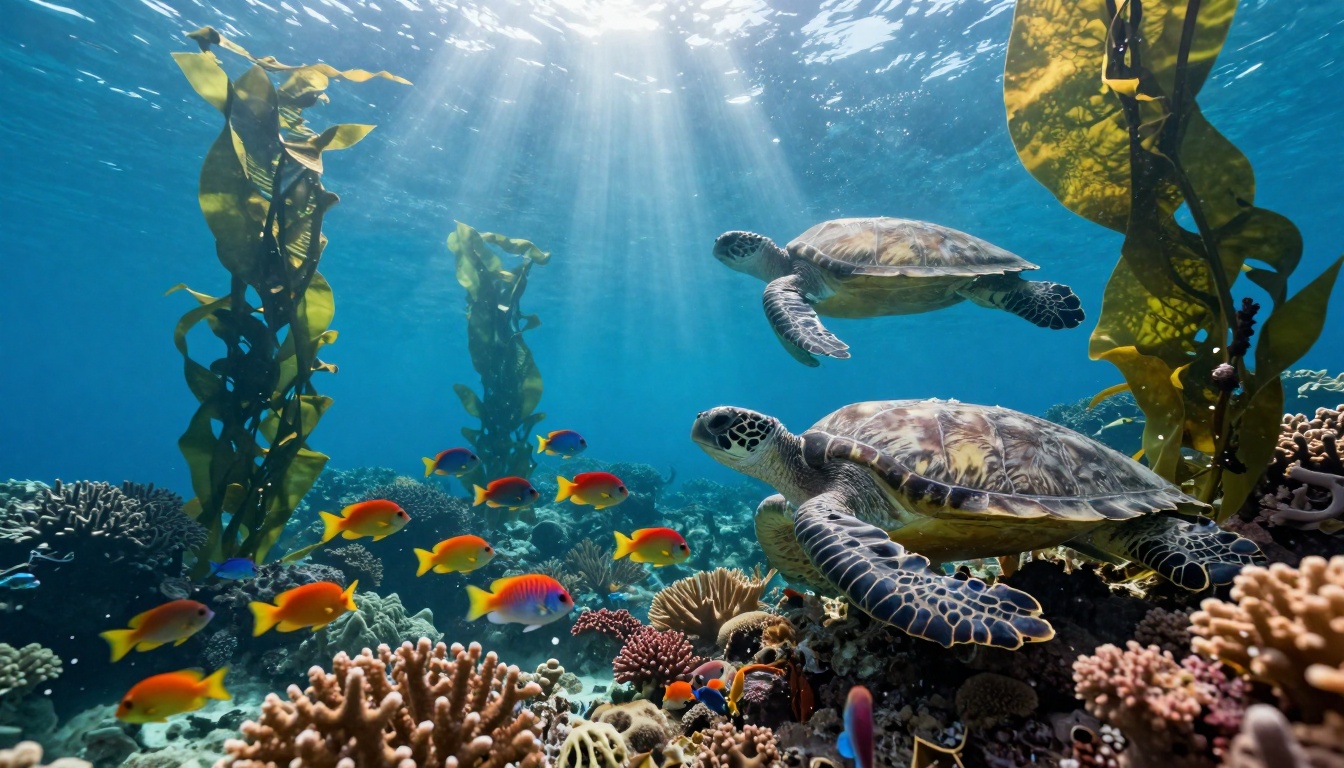
Picture a coral reef, once choked by bleach-white skeletons, now buzzing with fish darting through rainbow branches. Sea turtles glide past kelp forests that sway like green curtains. These scenes play out in hidden corners of the sea, far from headlines. They mark hope spots, special ocean places where life bounces back.
Ocean explorer Sylvia Earle coined the term in her 2009 TED Prize wish. She saw seas battered by overfishing, plastic waste, and warming waters. Less than 1% of oceans sat under real safeguards back then. Earle dreamed of a network to shield vital zones, from biodiversity hotspots to carbon-absorbing depths. Mission Blue, her group, took up the call. They spotlight these spots to rally protection. By January 2026, 166 hope spots span 115 countries, guarding over 58 million square kilometres. Numbers climbed from 158, with fresh additions like Chile’s Humboldt Archipelago.
These places prove quiet wins add up. Local champions drive change through science, chats with leaders, and community pushes. Readers, imagine spotting a whale breach in protected waters. This article uncovers Earle’s spark, what makes a spot hopeful, real turnaround tales, and why they matter for our blue planet.

Photo by Leticia Golubov
Sylvia Earle’s Bold Idea Behind Hope Spots
Sylvia Earle plunged into ocean advocacy after decades diving deep. In the late 2000s, she watched fish stocks crash and plastic soup spread. Drilling rigs loomed over fragile beds. Oceans, which cover 71% of Earth, held under 1% firm protection. Earle feared a tipping point.
Her 2009 TED talk changed that. She won the TED Prize and voiced a wish: build a global web of marine havens. “No ocean, no us,” she said. Mission Blue launched soon after with 19 hope spots. These picks highlighted zones key to sea health, like nurseries for fish or paths for migrations.
The idea spread like ripples from a stone. Spots drew eyes to threats and fixes. By 2014, anyone could nominate sites. Champions, often locals with grit, stepped up. They gathered data, lobbied officials, and stirred neighbours. Earle put it plain: protect these patches to save the whole sea, since our air, food, and weather depend on it.
Take the early days. Mission Blue mapped spots from the Arctic to tropics. Each got a profile on their site, with stories of why it mattered. Hope Spots page on Mission Blue shows the full list and champions’ work. Numbers grew steady. Mid-2025 reports noted 166, with hubs planned for 2026 to link efforts. Earle’s push turned worry into maps of promise. Fish schools thickened. Corals clung on. Her tale inspires: one voice can chart a course for seas.
What Turns an Ocean Spot into a Beacon of Hope
Hope spots earn their name through strict picks. Scientists eye high biodiversity first, like reefs packed with 1,000 fish types. Key habitats count too, such as seagrass meadows that store carbon or mangrove roots that shield coasts from storms.
Carbon sinks get nods. These blue forests trap CO2 better than trees. Spots already in marine protected areas (MPAs) qualify if they need extra love, like better patrols against poachers. Mission Blue gets up to 100 nominations a year. Experts review them. Committees vote. Only standouts join.
Champions seal the deal. They might be divers, fishers, or chiefs who know the waters. They run surveys, talk to governments, and rally towns. Picture a bay where nets once stripped fish clean. A champion bans them. Stocks rebound in months. Schools swarm again. Birds nest thicker.
The process builds lasting guards. Data feeds laws. Funds flow for buoys or rangers. Small steps snowball. One spot in South Africa, False Bay, joined in 2024. Locals now spot more seals and kelp. ProtectedSeas map of hope spots tracks these layers of safety. Champions keep watch, turning science into shields. Quiet work yields loud results for sea life.
Stories of Real Change in Standout Hope Spots
Hope spots brim with turnaround tales. From floating weeds to remote atolls, life stirs. Threats fade as safeguards hold. Here are five spots where progress hums.
San Francisco Bay fights back near Mission Blue’s base. Once clogged with waste, marshes now filter water. Birds flock thicker. Oysters scrub toxins.
Florida’s Gulf Coast dodged oil spills and nets. Locals won bans on trawlers. Manatees graze safe. Dolphins pod up.
Galapagos Islands shield odd wonders. Sea lions play. Hammerheads cruise. Rangers cut illegal lines, letting species thrive.
Sargasso Sea: A Floating Forest Reviving
This Atlantic gem floats on seaweed rafts. Sharks pup here. Whales calve. Tuna spawn amid golden fronds. Overfishing bit hard. The Sargasso Sea Commission champions it. They push laws for no-take zones. Eels now migrate freer. Life webs tighten.
Papahānaumokuākea: Protecting Ancient Secrets
Northwest of Hawaii, this ring of atolls hides rare birds and fish. Monk seals bask. It ties to native lore. World War relics rust on Midway. Full bans let reefs mend. Species unknown to science peek out. Culture and nature heal side by side.
These spots show wins add up. Fish counts climb. Turtles nest more. Seabirds wheel safe.
Why Hope Spots Light the Way for Ocean Futures
Hope spots rally the world. They aim for 20% ocean parks, like land’s green belts. Now at 8.2% protected, with 2.9% no-touch, they push further. Each spot spotlights risks, from plastics in the Pacific to warming in the Atlantic.
They spark global chains. A win in one bay inspires the next ocean. Champions share tricks via 2026 hubs. Data from spots feeds big reports. Seas link to us all: they pump oxygen, steady climate.
Fish feed billions. Storms weaken over healthy blues. These beacons prove we can turn tides. Dive into Mission Blue’s events for hands-on ways. Support a champion. Track your coast. Hope spreads when we act.
In shadowed depths and sunlit shallows, hope spots prove change works without fanfare. Sylvia Earle’s vision lives in 166 guarded realms. Fish dart. Corals bloom. We breathe easier.
Share your sea stories. Back Mission Blue at missionblue.org/hope-spots. Visit one. Earle reminds us: no blue, no green. Picture thriving seas for your kids. They wait if we guard them now.