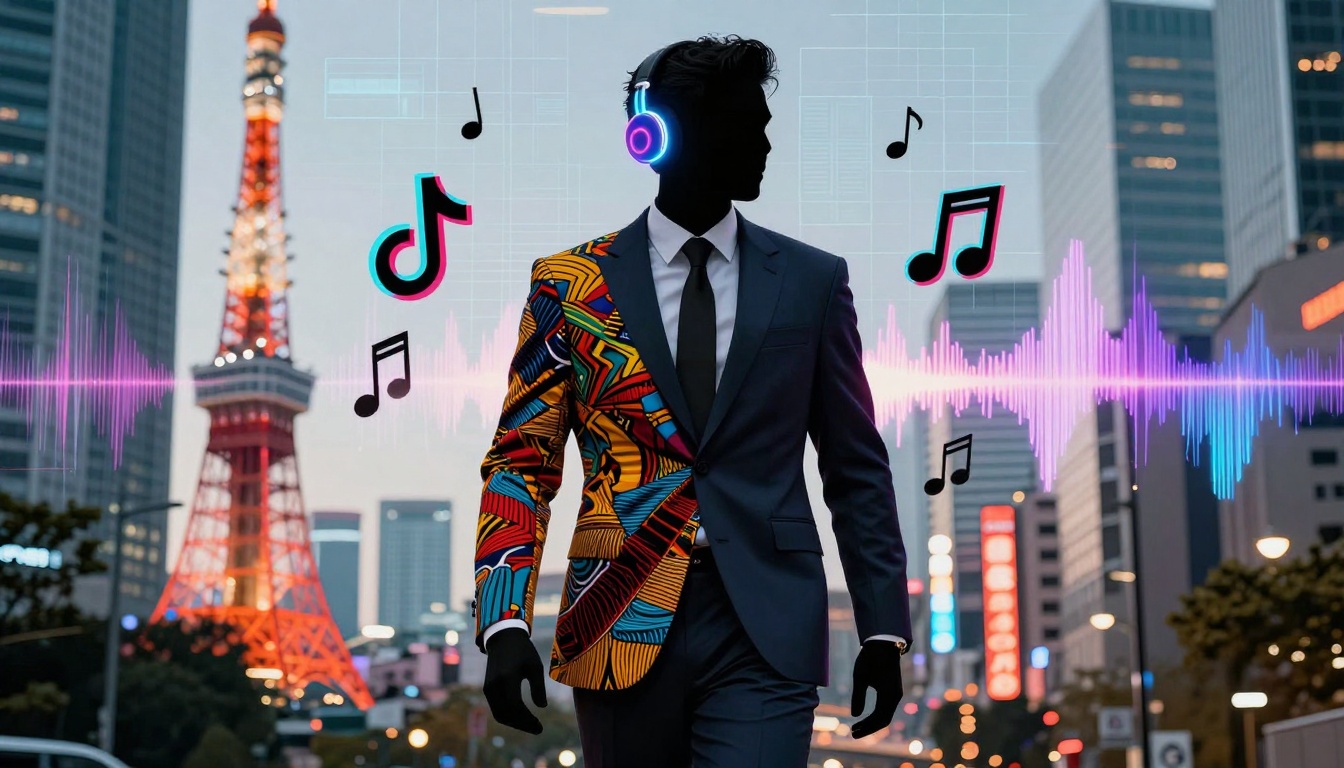

Listen to this post: How Global Fashion, Music and TikTok Trends Blend Cultures in 2026
Scroll for five minutes and you’ll see it: a Tokyo-style silhouette paired with Milan tailoring, set to an Afrobeats hook, captioned in Spanglish, with comments rolling in from Johannesburg to Glasgow. In 2026, global fashion, music and TikTok trends don’t just travel, they fuse.
What’s changed isn’t that cultures mix (they always have). It’s the speed, the visibility, and the way ordinary people now act as tastemakers. A dance step becomes a styling cue. A jacket colour becomes a meme. A chorus becomes a global greeting.
Why 2026 trends feel borderless, yet still personal
In past decades, culture moved like a train: scheduled stops, gatekeepers at every station. In 2026, it moves more like weather. A sound blows in, a look catches on, and suddenly it’s everywhere, even if it started in a tiny community.
TikTok’s recommendation system is a big reason. It doesn’t ask for permission from magazines, radio, or labels. It watches what you replay, what you pause on, what you share, then quietly builds a corridor between you and creators you’ve never met. That corridor can connect very different worlds: a Ghanaian producer, a Korean dance crew, a British thrift stylist, a Brazilian makeup artist.
Platforms also push this blending on purpose. When TikTok publishes culture forecasting, it isn’t just reporting what’s happening, it’s guiding what creators and brands watch next. The industry response to TikTok’s direction is already visible in marketing plans and release schedules, as discussed in TikTok’s 2026 culture guide coverage.
But the most interesting part is how personal it still feels. People aren’t copying a whole culture like a costume. They’re picking details that match their identity: one print that reminds them of family, one beat that fits their walk, one slang phrase that finally says what they mean.
Cultural mixing in 2026 often looks like this:
- Diaspora as a style engine: second-generation and third-generation creators mixing heritage and hometown.
- Remix as a default: songs, outfits, edits, even captions get reworked and re-shared.
- Micro-communities setting the tone: niche tastes scaling fast when the algorithm spots momentum.
That’s why the same trend can look respectful in one video and careless in another. The difference is context, credit, and care.
Fashion in 2026: runway ideas, street proof, phone-speed cycles
Fashion used to move top-down: runway to shop to street. Now it often moves sideways. A runway look becomes a screenshot. The screenshot becomes a thrift hunt. The thrift hunt becomes a “get ready with me” clip, and suddenly the style has a new accent.
Early 2026 fashion signals are full of movement and colour. Flowing, dance-ready shapes show up because people want clothes that look good when they move, not just when they pose. This lines up with the way TikTok is shot: quick turns, arm gestures, outfit changes on beat. If a fabric doesn’t catch light, it can vanish on camera.
Colour is doing its own form of cultural shorthand. Bright blues and candy-like hues are popping because they read well on screens and pair easily with streetwear. At the same time, “clean” looks (like head-to-toe white) keep returning as a blank canvas for loud accessories, braids, jewellery, scarves, or a single dramatic jacket.
TikTok fashion content also rewards contrast. You’ll see tropical prints next to khaki, vintage Italian glamour next to sporty trainers, and sharp tailoring softened with drape. These mash-ups work because they mirror real wardrobes. Most people don’t dress in one tradition only. They dress for a commute, a budget, and a mood.
If you want a snapshot of what’s getting copied and reworked this year, TikTok fashion trends for 2026 captures the platform’s appetite for wearable statements that still feel playful.
And the loop is now measurable. Industry watchers track what’s rising week by week, including the way songs and micro-trends create shared cues. The Vogue Business TikTok Trend Tracker is a clear sign that “TikTok-made” style is no longer a side story, it’s a main input.
In 2026, fashion blends cultures best when it looks lived-in. The most copied outfits aren’t museum pieces. They’re outfits that feel like somebody’s actual Friday.
Music in 2026: the sound-to-style loop nobody can unsee
In 2026, music doesn’t just soundtrack culture, it steers it. A hook can change how people dress because it changes how they move. A drum pattern can pull people towards sportswear. A soft, breathy vocal can make romantic styling feel “right” again.
TikTok turns songs into tools. Creators don’t choose tracks only because they love them. They choose them because the track solves a problem: it carries a transition, lands a punchline, or holds an outfit reveal together. Once a sound becomes useful, it spreads fast, crossing language barriers with ease.
That’s also why genres blend so naturally on the platform. Afrobeats, Latin rhythms, K-pop structures, J-pop textures, UK rap cadences, and dance music all meet in the same feed. The common language is the edit: the eight seconds that make people stop scrolling.
There’s a business side too. Producers now build music with short, “clip-ready” sections. Artists plan moments that invite choreography. Labels watch creators the way radio once watched DJs. And listeners don’t just hear songs, they wear them. The nigerian music scene evolution reflects these shifts as local sounds gain international attention. Collaborations across borders are becoming more common, blending genres and reaching wider audiences. This transformation not only enriches the music itself but also strengthens the cultural ties within the global music community.
If you want a grounded overview of where music is heading this year, including format shifts and how creators use tracks, music trends for 2026 is a useful read.
Here’s what the sound-to-style loop often looks like in real life:
A new sound rises: creators use it for transitions and dance clips.
A look attaches to it: colours, silhouettes, or accessories become part of the “vibe”.
The look spreads globally: thrift shops, fast fashion, and DIY wardrobes react.
The song changes next: remixes appear, local versions pop up, and the cycle restarts.
The result can be joyful. It can also feel strange, like watching your local scene become a global template overnight. That tension is part of 2026’s cultural energy: proud, messy, and very public.
TikTok as a cultural mixing desk: shared joy, real risks, better rules
TikTok is often described as a trends machine, but it’s closer to a mixing desk. It takes sound, style, humour, and identity, then slides the faders up and down until something catches. When it works, it’s like a street festival where everyone brings a dish. When it fails, it can flatten meaning into a costume.
One challenge is context collapse. A hairstyle, a dance, or a phrase can carry deep history, but a 12-second clip doesn’t always hold that history. Viewers may only see “a cool look” and copy it without knowing the story. That’s how appreciation slips into imitation, then into harm.
The speed of trend cycles makes it harder. A jewellery style can go from niche to sold-out in weeks, pulled along by constant reposts and shopping links. That rapid shift is described clearly in how TikTok shapes jewellery trends, and it applies to far more than jewellery.
The good news is that better habits are spreading too. Creators are getting more direct about credit. Viewers are asking, “Where’s this from?” Brands are realising they can’t just borrow, they need relationships.
Practical ways creators and brands can show respect in 2026:
- Name origins when you know them: a caption credit is quick, and it matters.
- Pay culture-bearers: if a creator or community drives a trend, budget for them.
- Use collabs, not copy-paste: let people speak for themselves.
- Avoid sacred symbols as props: if you’re not sure, don’t post it.
- Give audiences a trail: link a source, mention an artist, tag the choreographer.
If you’re working in marketing, it also helps to understand what formats are performing right now and why. A clean overview is in what’s working on TikTok in 2026, which frames trends as repeatable content structures, not magic.
Culture blending isn’t the problem. It’s the way value gets extracted without credit. The goal for 2026 is simple: share the joy, keep the receipts. As we navigate cultural shifts in global trade, it becomes crucial to acknowledge and respect the origins of ideas and practices. This shift not only fosters equity among diverse communities but also enriches the global market with innovation and authenticity. By prioritizing transparency, we can ensure that all contributors receive recognition for their influence on this evolving landscape.
Conclusion: culture is travelling faster, so care has to keep up
In 2026, fashion, music, and TikTok trends blend cultures because people are connected in real time, and they’re hungry for new ways to express who they are. The best trends don’t erase roots, they show them, often in surprising combinations. The worst trends take without asking, then move on before anyone can respond. If you’re creating, buying, or posting this year, treat culture like a conversation, not a costume, and give credit like it’s part of the style.