
Listen to this post: Digital Authoritarianism: How Regimes Use Tech to Tighten Control
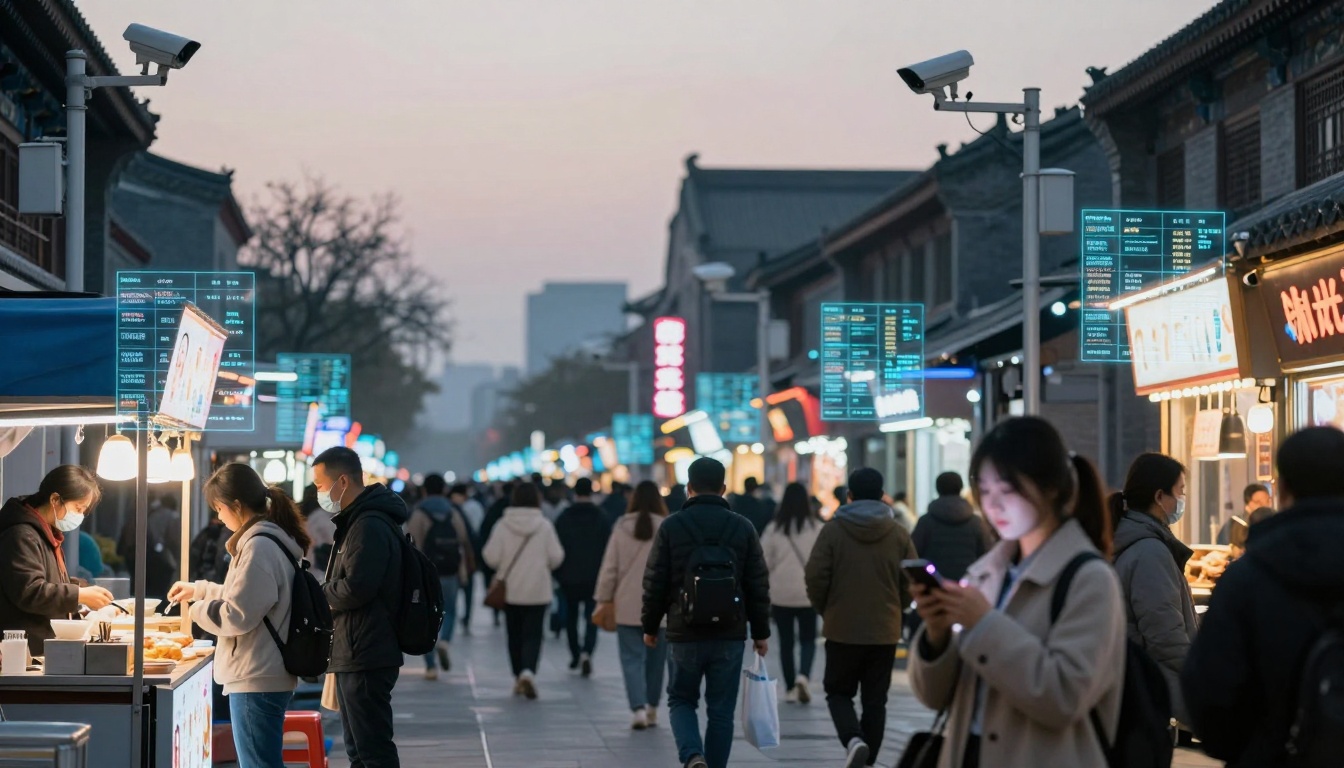
Picture a bustling street in Beijing. A young woman pauses at a tea stall. Cameras overhead scan her face in seconds. Her phone pings with a warning: her social credit score dipped from a late bus payment. Across the road, a man deletes a critical post before it vanishes. This is daily life under digital authoritarianism. Governments wield AI, apps, and vast networks to watch citizens, block dissent, spread lies, and crush opposition.
In 2026, the trend surges. China leads with over 600 million surveillance cameras, half the world’s total. These feed into systems that track one billion people. Russia floods screens with fake news. Iran and North Korea slam digital doors shut. Billions suffer lost privacy and freedom. CurratedBrief tracks these shifts in tech and global events, revealing how tools meant for safety become chains.

Photo by Jakub Zerdzicki
China’s Surveillance Web: Watching Every Step
China’s Skynet blankets cities and villages. Over 600 million cameras dot streets, shops, and homes. Facial recognition spots a face in a crowd of thousands. Apps like WeChat and Alipay log every chat, purchase, and step. Firms such as Tencent hand data to the state without question.
Walk down a Shanghai alley. Eyes follow you. Buy groceries? Tracked. Post a joke about leaders? Gone in minutes, with a fine. Protests barely spark before police arrive. In Xinjiang, Uighurs face the worst. Police use AI to flag “suspicious” prayer or beards. Camps hold hundreds of thousands, all justified by data sweeps.
Fear grips daily routines. Parents whisper warnings to kids. Neighbours avoid eye contact. No corner stays private. One billion lives hang under this web. Privacy dies quietly, replaced by constant watch.
Social Credit: Your Score Decides Your Life
Your behaviour earns a number. Jaywalk? Score drops. Praise the party? It climbs. High scores bring fast trains, better schools, loan approvals. Low ones block travel, jobs, even school spots for kids.
Take Li Wei, a factory worker. He shared a protest video. His score tanked. No high-speed rail for years. No promotion. Apps feed AI judges that decide fates. Tencent and others supply the data stream. Obey, or pay. This system binds a nation without bars.
Russia’s Disinfo Machine: Lies That Divide and Conquer
Russia turns the web into a weapon of words. State hackers flood social media with bots and fakes. During the 2024 elections, AI-generated ads split voters. False claims of fraud sparked riots, all scripted from Moscow.
Screens light up with lies. A pensioner scrolls tales of Western plots. Youth see deepfake videos of leaders confessing crimes. ISPs throttle opposition sites. Protests fizzle as rumours sow doubt. Trust in news plummets to 25 percent.
Moscow exports the playbook. Allies in Africa and Latin America buy troll farms. Impacts ripple: rigged votes, fractured societies. Power clings tight through confusion.
Internet Cuts When Tensions Rise
Unrest brews? Russia slows the net to a crawl. In 2025 Moscow protests, speeds dropped 80 percent. Sites vanish. Texts fail. Compare to Belarus: full blackouts crushed rallies. Control snaps back fast.
Iran and North Korea: Blackouts and Total Lockdown
Iran flips the switch during fury. In January 2026 protests over economic woes, the government plunged the nation into darkness. Internet traffic fell 90 percent for days, the longest blackout on record according to NetBlocks data. Protesters in Tehran and Kermanshah screamed into voids. Fake VPNs lured users to traps; location data betrayed hideouts.
Experts detail the precision of this blackout. Government sites stayed live while dissent choked. Women in the streets, echoing 2022 cries of “Woman, Life, Freedom,” found no videos escaped.
North Korea seals tighter. Citizens access a closed intranet, Kwangmyong. Smuggled phones face border scanners. Elites watch USBs for K-pop leaks. Protests? Impossible without info. Isolation breeds despair. Families huddle by radio whispers. Both regimes starve revolt with silence.
Global Spread: Trends and Warnings for 2026
China sells Skynet kits to 80 nations. Russia trains disinfo squads. AI deepfakes flood 2026 elections worldwide. Digital sovereignty rises: borders on data.
| Regime | Key Tool | Main Impact |
|---|---|---|
| China | Skynet cameras | Zero privacy, behaviour scores |
| Russia | Bots and slowdowns | Eroded trust, split societies |
| Iran | Full blackouts | Crushed protests |
| North Korea | Closed intranet | Total info isolation |
Effects chill unity. Fear quiets voices. Free nations push back: fund VPNs, ban tech sales, amplify truths. Geopolitics heats as tools spread.
Conclusion
Regimes grip power through cameras, lies, and blackouts. China’s web watches billions. Russia’s fog confuses. Iran and North Korea lock doors. Yet awareness cracks the hold.
Share these stories. Back free-net tools like VPNs. Follow CurratedBrief for updates. Truth slips through nets. Imagine streets alive with open voices, untracked steps. That future starts with eyes wide open.