
Listen to this post: How to Protect Your Mental Health While Consuming Dating Content
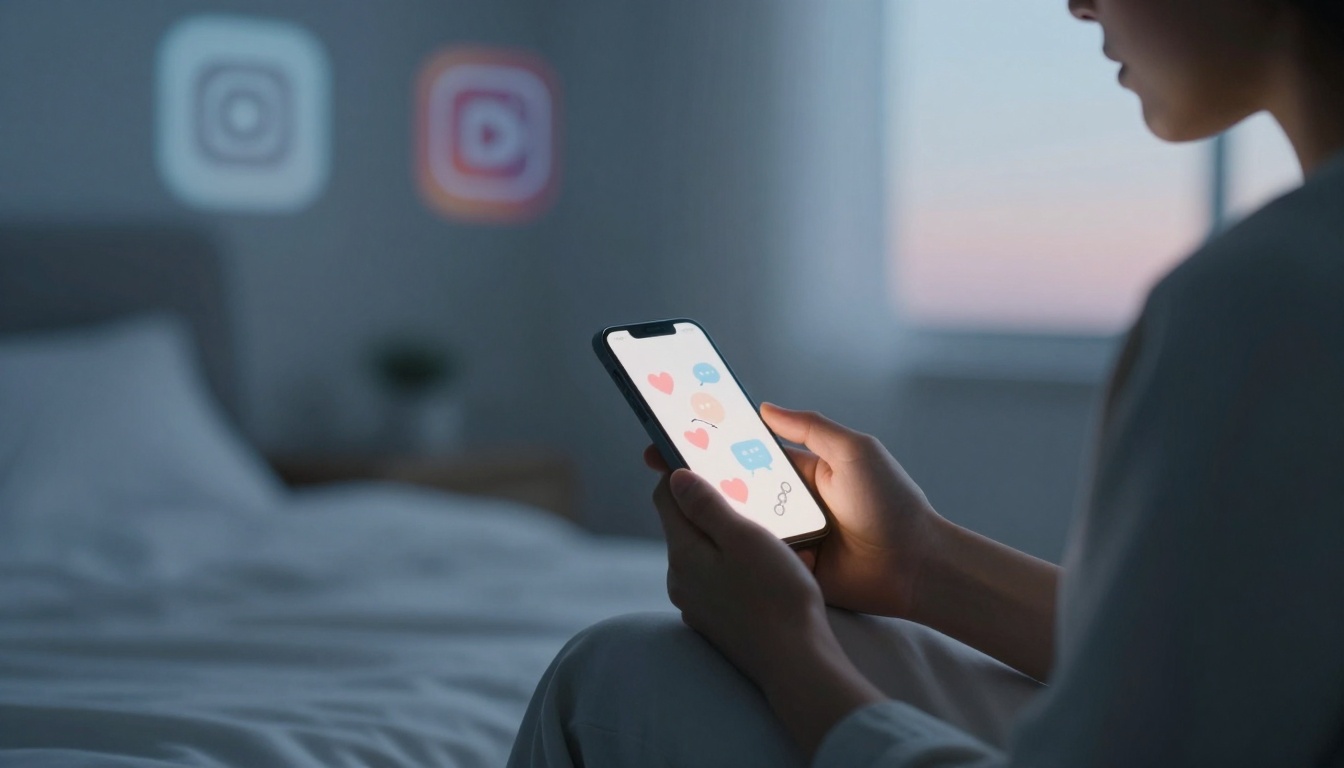
Picture this. It’s late at night. You scroll through TikTok, heart racing from swipe stories and perfect couple reels on Instagram. One minute you feel hope; the next, a wave of sadness hits. Ever felt worse after watching those flawless date videos? You’re not alone. A systematic review of 45 studies found that 86% link dating app use to poor body image. Consuming dating content on social media stirs anxiety, dents self-esteem, and plants unrealistic hopes. Ghosting tales and filtered selfies make it worse.
Yet you don’t have to quit the feeds. Simple steps let you enjoy the fun bits without the harm. This post shares clear ways to spot risks, set firm boundaries, and build inner strength. You’ll learn to scroll smarter and feel better. Ready to take control?
Spot the Hidden Risks in Dating Feeds
Dating content floods your screen with quick clips of grand gestures and instant sparks. But beneath the shine lies real harm. A Northwestern University study from 2025 tracked 149 teens over six months. It showed users and non-users had similar depression rates overall. Heavy weeks with more app messages tied to bigger mood dips, though. Social media amps this up by sharing only peak moments. You see edited couples, not the rows or doubts.
Body image takes the biggest hit. That review of studies nailed it: 86% spotted negative effects from dating apps. Platforms push looks first. Endless profiles spark comparisons. Ghosting stories add salt to the wound. One in four users face it, with drops in trust that linger. Anxiety builds from choice overload and unread messages. For LGBTQ+ youth, apps offer links but risk addiction too.
Take Sarah. She binges breakup reels, then questions her own dates. It’s common. Feeds train your brain to chase ideals that rarely exist. Awareness is step one. Notice how content shifts your mood. That pause protects you.
How Perfect Pictures Warp Your Self-View
Swipe right on airbrushed faces, and doubt creeps in. “Not good enough,” you think, staring at your reflection. Dating content obsesses over looks. Filters hide flaws; angles slim waists. The Flinders University analysis backs this. Users report more body dissatisfaction and disordered eating.
After a scroll session, check in. Do you pinch at skin or skip meals? That’s the warp at work. Real dates value laughs and chats over abs. But screens sell the opposite. Pause those pretty feeds. Your worth stays whole.
The Sting of Rejection Tales and Ghosting Drama
Viral ghosting videos hit hard. One chat vanishes; your mind replays every word. A Brighton University study from 2025 links it to depression and paranoia in young adults. One in four daters get cut off cold, trust shattered for months.
You watch a TikTok heartbreak, feel the echo. Overthinking spikes anxiety. “Was it me?” loops play. These tales normalise pain but ignore healing. Empathy helps, yet dwelling fuels the fire. Spot the pattern. Step away from drama scrolls.
Set Boundaries to Keep Dating Content in Check
Boundaries turn chaos into calm. Start small. Check apps once a day, not on autopilot. Set a phone timer for 15 minutes. Weekly breaks reset your brain. Ditch hunts for likes or matches that boost nothing real.
Know what you want upfront. A fun chat? Deep talks? Spot red flags like rude replies or pressure. Curate your space. Mute accounts with toxic rants. Unfollow endless highlight reels. Follow creators who share real dates, flops included.
Track your mood post-scroll. Down? Log off. Up? Fine, carry on. Self-worth grows from inside, not heart counts. Think of Tom. He limited TikTok to evenings, joined a book club instead. Anxiety faded; real mates appeared.
Quick boundary wins:
- Daily cap: 20 minutes max on dating tabs.
- Mood log: Note feelings before and after. Adjust fast.
- No bed scrolls: Charge phones outside the bedroom.
These habits shield you. They free space for life beyond screens.
Time Limits and Digital Detox Tricks
Timers work wonders. Apps like Screen Time lock you out after 20 minutes. Use breaks for walks in crisp air or calls with mates. Less screen time slashes anxiety, per 2025 tips.
One user cut checks to mornings. Evenings opened for hobbies. Sleep improved; worries shrank. Self-checks help too. Ask: “Does this lift me?” No? Close the app. Detox builds strength. You’ll crave real chats over reels.
Clean Up Your Feed for Positive Vibes
Block drama queens. Unfollow filtered perfection. Seek real-talk accounts on mishaps and growth. Swap solo scrolls for group chats or hobby meets.
Follow body-positive daters or comedy skits on fails. Algorithms shift fast. Your feed reflects choices. One tweak: mute “couple goals” tags. Vibes lift when truth flows in.
Strengthen Your Mind Beyond the Screen
Screens steal focus; real life rebuilds it. Join clubs for sports or arts. Friendships buffer app blues. Chat face-to-face; laughs land deeper.
Journal daily. Scribble swipe feels and truths. “I’m kind, funny.” Exercise clears the fog. Runs or yoga spark endorphins. Hobbies like painting fill voids.
If scrolls turn obsessive, talk to a therapist. Signs: constant checks, sleep loss, mood crashes. Research shows use patterns matter most. Balance wins.
Northwestern noted apps aid some ties. Pair them with offline steps for true bonds. Nurture self-love. Date yourself first: coffee alone, sunset walks. Strength grows there.
Conclusion
Dating feeds hide risks like body woes and ghosting stings, as studies prove. Yet boundaries, time caps, feed cleanses, and real-world boosts protect you. Enjoy clips without the crash.
Try one tip today: set a timer or journal post-scroll. Track changes over a week. You’ll feel lighter. Personalise your CurratedBrief feed for more health insights. Your mind deserves that care. What boundary will you set first?