
Listen to this post: Why Young People See Climate as a Justice Issue, Not Just an Environmental One
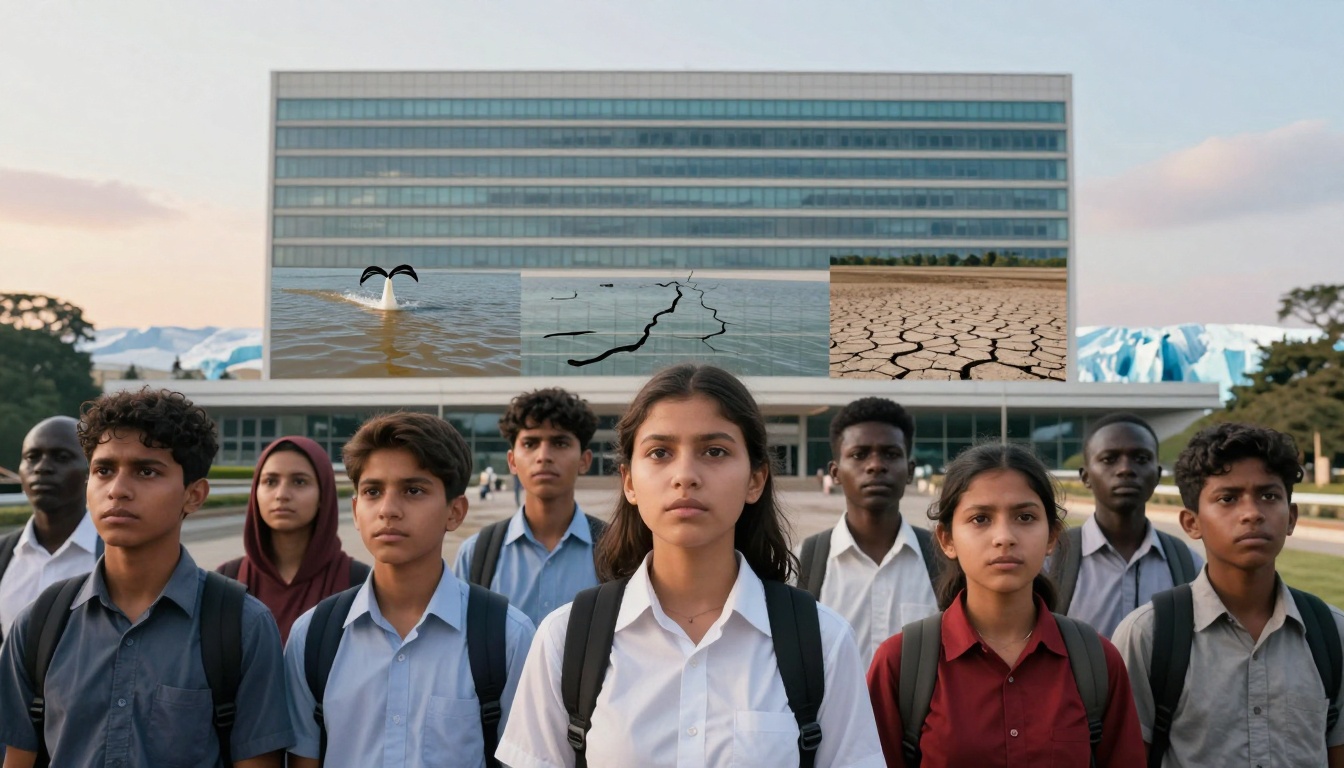
Picture a 17-year-old girl from a flooded village in Bangladesh. Water swallowed her home last monsoon season. Now she stands outside a UN summit in 2026, sign in hand: “Rich countries burned the planet, we pay the price.” Her voice shakes with anger. She is not alone. Thousands of young people join her, from Pacific islands vanishing under rising seas to African towns choked by drought.
Climate change once meant melting ice caps and dying polar bears. Today, young people frame it differently. They call it a justice issue. Why? It strikes the poorest areas, communities of colour, and the Global South hardest. These places did little to cause the problem. Yet they suffer floods, heat waves, and hunger. Rich nations in the Global North pumped most emissions into the air. Now youth demand fairness: who pays, who fixes it?
This view grows stronger in 2026. Unequal impacts fuel protests. Race and poverty link to toxic lands. Global divides widen anger. Mental strain burdens young minds. These points show why climate feels like theft to the next generation. Their fight reshapes the debate.
Climate Hits Poor Areas First and Worst
Low-income neighbourhoods bear the brunt of climate woes. Floods swamp flimsy homes built on cheap land near rivers. Heat waves turn concrete jungles into ovens, with no trees or air conditioning to cool them. Dirty air from nearby factories fills lungs in these spots. Black and Indigenous families in places like Oakland breathe the worst pollution. Studies show frontline communities face asthma rates double the city average.
Youth spot the pattern. Rich polluters in suburbs escape the harm. They drive SUVs and live far from refineries. Poor areas get the fallout. This unfairness drives young activists. By 2024, the Youth Climate Justice Fund handed grants to 115 groups. These funds help local teams map pollution and push for clean air. Bay Area youth, for example, snap photos of smoggy skies near their schools. They post them online and meet council members. One group trained 50 kids to testify at hearings. Their stories sway votes for green spaces.
Real-time data from early 2026 confirms the push. Youth-led groups got less than 1% of big climate grants from 2022 to 2024. Still, they win policy shifts. Funds like the Youth Climate Justice Fund now offer up to $20,000 for under-35 leaders from marginalised spots.
Local Struggles in Overlooked Neighbourhoods
Factories hug poor homes. Smoke brings coughs and hospital trips. Kids miss school from asthma attacks. Floods hit trailer parks first, ruining all they own. Youth groups like Frontline Catalysts train teens to map these risks. They hold workshops on speaking to officials. One teen from Oakland shared how her block floods yearly. Her plea led to new drains.
Why Wealthy Nations Dodge the Worst
Big emitters sit in safe zones. London suburbs rarely flood like Dhaka slums. US oil towns profit while poor coasts sink. Youth protest this gap at COP talks. They chant for accountability. Signs read: “You broke it, you fix it.” Rich lands face milder heat, better defences.
How Race and Poverty Fuel the Fight
Minorities live near dumps and pipes. Governments zone toxic sites away from white areas. This is environmental racism. Climate worsens it. Storms cut power in Black neighbourhoods longest. Youth link this to wider battles. They join marches for clean water and fair jobs.
Programs build skills. New Voices summer camps teach BIPOC teens about pollution ties to health. One camp in 2025 sent 30 youths to lobby. They won school air filters. Active voices cut through noise. Simple stories stick: a mum’s lung disease from factory fumes near her estate.
Poverty traps snap shut tighter. Crop failures mean empty plates. Poor farmers lose harvests to drought. Water shortages hit shanties first. Youth connect these dots. They demand aid that reaches roots, not just leaves. For details on youth human rights pushes, see this report on young pioneers in climate action.
Environmental Racism in Action
Cancer Alley in Louisiana reeks of chemicals. Mostly Black residents breathe poison. Youth map leaks and sue plants. In the UK, polluted estates house more Asian families. Teens collect air samples, show data to MPs. Wins include closed incinerators. Their grit forces change.
Poverty Traps Made Deeper by Storms
Storms wipe farms in the Global South. Smallholders starve without insurance. Aid trickles slow. In 2026, Latin America youth rally for debt relief. They argue climate debts outweigh loans. Poor kids drop out when floods destroy schools. Cycles spin on.
Global Divides Spark Youth Anger
The North spewed carbon for decades. Factories boomed, cars multiplied. Now the South pays. Droughts parch Ethiopian fields. Cyclones batter Philippine villages. Youth demand reparations. “Loss and damage” funds must flow fast.
World’s Youth for Climate Justice took it to the UN’s top court. They seek rulings on rich duties. In 2026, their case draws global eyes. Latin American groups push at COP30 prep. Fridays for Future blasts social media. Clips show rich delegates jet in while poor islands drown. One post from Baku COP29 went viral: split screens of yachts and flooded huts.
Borders mark battle lines. Pacific youth sail to summits, plead for emissions cuts. Early 2026 brings a Youth Climate Justice Summit in Minnesota. High schoolers grill lawmakers. Zero Hour rallies for federal action. Anger boils into plans. Check UNDP’s take on why climate is justice.
The Hidden Toll on Young Minds
Fear grips youth. A 2021 study found 59% very worried about climate. By 2026, the Youth Pulse report ranks it top threat. Daily life suffers for 45%. Sleepless nights, panic attacks rise. They inherit a broken world, robbed of safe futures.
This hurts like theft. Rich leaders delay while seas rise. Youth grieve lost homes they never knew. One activist from Montana sued her state. She won in 2023, proving rights to clean air. Rikki Held, now 25, said it felt like human rights at stake. Grief turns to fire. UK’s school strikers report eco-anxiety but keep marching.
Stories inspire. A Gen Z group in Jewish Youth Climate Movement blends faith and facts. They plant trees, lobby for justice. Mental scars push action. Therapy groups now tackle climate dread. Yet hope flickers in wins like Hawaii’s youth lawsuit.
Youth Demand Fairness in a Warming World
Young people see climate as justice because vulnerable groups suffer first. Poor areas choke on pollution. Race and poverty deepen divides. Global North owes the South. Minds carry heavy loads from inaction.
Support their work. Back funds like Youth Climate Justice. Tell leaders to fund reparations. Join local clean-ups. Strikes and suits build momentum. A fair world waits if we listen.
Imagine borders fade, aid flows true. Youth lead that shift. Their signs at summits spark real change. What’s your next step?
(Word count: 1,478)