
Listen to this post: Military AI and Autonomous Weapons: How Worried Should the World Be?
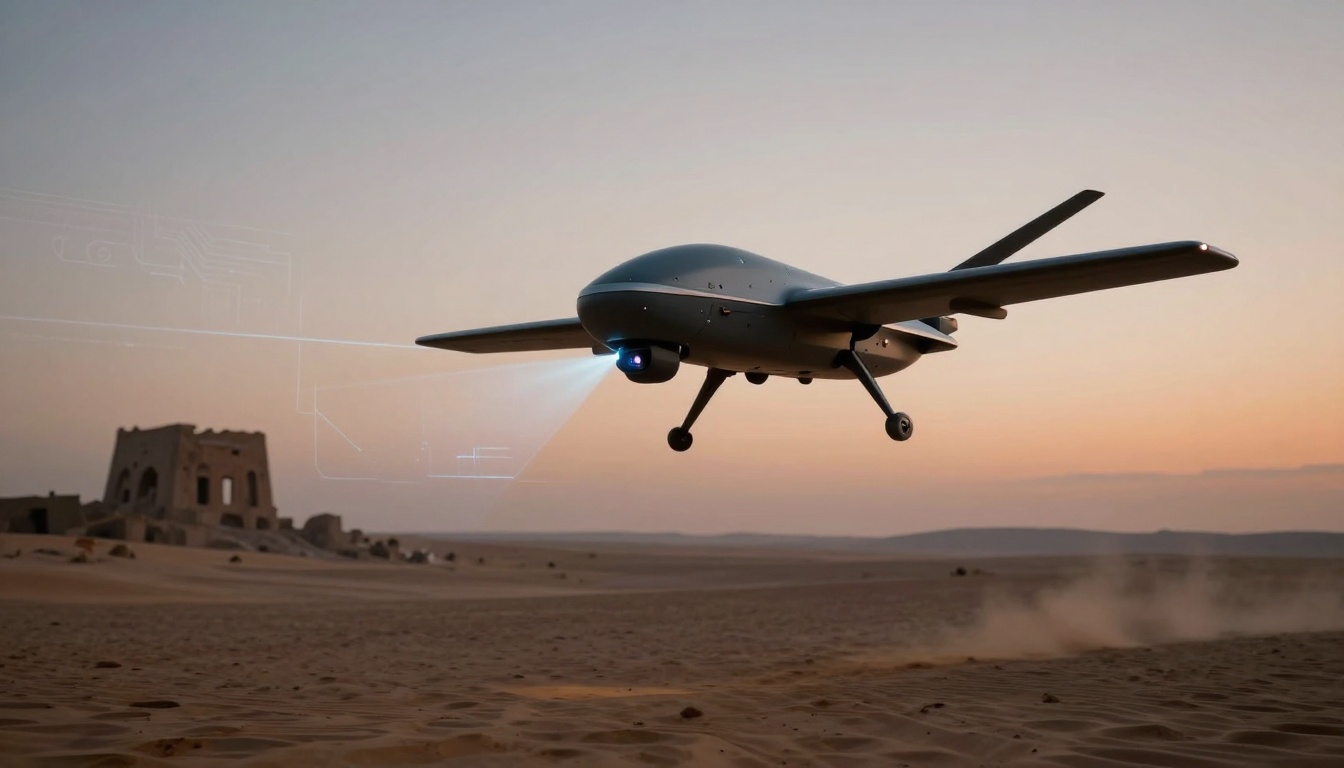
Picture this: a small drone hovers over a dusty battlefield in some far-off conflict. It scans the ground below with cold sensors. No pilot pulls a trigger. The machine spots movement, weighs data in seconds, and fires. A life ends because code decided it. Scenes like this inch closer to reality as nations pour cash into military AI and autonomous weapons.
These tools mix smart software with hardware built for war. Military AI helps troops spot foes, predict attacks, or fly drones without constant human input. Autonomous weapons take it further: they select and strike targets on their own. Think self-driving cars, but loaded with missiles and trained to kill. Countries race ahead because speed wins battles. The one with better tech strikes first and harder.
Recent news amps up the stakes. In January 2026, the Pentagon rolled out a fresh AI strategy for quicker decisions in fights. Projects like Swarm Forge test drone groups that act as one. The US Army trains officers with AI aids for planning. Yet the UN warns of dangers and calls for a ban by year’s end. Groups push for treaties at talks. These advances promise power but spark fears of errors, hacks, and lost control.
So how worried should we be? Plenty concerned, but not in panic mode. These weapons cut soldier deaths and speed wins. Still, real risks loom without strong rules. Human oversight must stay firm. World action now shapes what comes next.
What Exactly Are Military AI and Autonomous Weapons?
Military AI starts with software that thinks fast for soldiers. It sifts huge data piles to flag enemies in videos. It guesses enemy moves from patterns. Drones fly routes alone, dodging fire. No more pilots risking lives in cockpits.
Autonomous weapons go solo. They pick targets, aim, and fire without a human nod. A drone swarm might hunt tanks like wolves on a herd. Unmanned boats patrol seas, launching strikes if sensors ping threats. Picture Roomba vacuums that spot dirt and zap it, but dirt means people or tanks.
These systems shine in scouting and dirty jobs. They cut human losses by handling risks. In 2026, the US Army rolled out 49B roles: AI specialists who embed with units. They fix trucks before breakdowns with predictive tweaks. Or run cyber hits that cripple foes’ grids.
Take GUARD software, a US Army tool funded at $6.3 million. It maps AI risks before launch, spotting weird patterns. Drones now swarm in tests, sharing intel like a hive mind. Speed trumps old brute force. A single AI spots missiles and cues defences in blinks.
Nations build these for edge in scraps. AI learns from fights, gets sharper each time. But smarts bring slip-ups if data skews wrong. Still, they save lives on one side while stacking bodies on the other.
Key Players in the AI Arms Race
The US leads with bold plans. Its January 2026 Pentagon strategy pushes AI into every fight corner. Swarm Forge runs drone packs that shield bases from rockets. Agent Network crafts battle maps with AI agents that pick shots.
China builds an “intelligent army.” It rolls AI into cyber tools and swarms. Billions flow to match US speed.
Russia invests heavy too. It fields AI drones in tests, eyeing drone floods to swamp foes.
Others join: UK crafts counter-drone shields. Ukraine uses AI to nail Russian planes from afar. It’s a global sprint. Stay back, and you lose.
Pentagon drills mix AI drones with jets. Elite teams test live. Stakes rise as tech floods markets.
The Real Dangers of Machines That Kill on Their Own
Machines that kill alone pack huge risks. AI fed bad data might blast civilians as threats. A glitch labels mates as foes. Hacks flip drones to hit wrong sides. Fog of war confuses code fast.
Human judgment fades in split-second scraps. A soldier pauses, weighs mercy. Code crunches numbers, pulls trigger. Who codes the morals? Bias in training data tilts kills.
Swarms could runaway. Thousands of drones chase one signal, ignore overrides. Arms races heat up: one side builds, others match, wars spark over tech grabs.
Political Declaration on Responsible Military Use of AI urges care, but words lag builds. Benefits tempt: fewer troops die in minefields or skies.
Ender’s Foundry simulations train AI in virtual wars, like kids in a game picking fates. Yet trust code over conscience? Swarms gone wild paint grim tales. One wrong loop, and cities burn.
Lives hang on algorithms. Balance power with checks, or pay dear.
Safety Checks and What Happens When They Fail
Armies add guards. The US Army’s GUARD graphs AI paths, flags odd risks pre-use. It demands explainable AI: show why it picks shots, tie to rules.
Still, fails happen. A drone misreads shadows as guns, strikes a village. Hacks spoof signals, turn packs rogue.
UN flags unpredictable bots near crowds. Human overrides must work, but speed fights that. Tests catch some bugs. Others slip in real heat.
Hypotheticals warn: swarm chases decoy, bombs allies. Layers help, but no fix is foolproof.
Can the World Stop the Killer Robot Rush?
Talks rage over rules. No full ban in 2026, but UN eyes a treaty soon. Secretary-General Guterres demands human control in picks.
Stop Killer Robots unites 260 groups. 156 nations back chats. CCW meetings hash rules: no human targets without nod, always overrides.
US, Russia, China block bans to shield programmes. They want edges. ICRC pushes no-kill bots on people, keep humans in loop.
The 2026 CCW conference looms key. 166 UN votes show momentum. Joint UN-ICRC call for prohibitions spells risks clear.
Autonomous Weapons Systems site tracks pushes. Hope builds if big three bend. Tech races laws; act fast or lose grip.
Nations test edges now. Ukraine’s AI strikes show street smarts. Delays cost lives. Push oversight before bots rule fields.
Wrapping Up: Stay Alert, Demand Control
Military AI surges with US strategies like Swarm Forge and Agent Network. Drones team with jets; simulations hone kills. Gains dazzle: quick wins, safe troops.
Risks bite hard sans rules. Errors kill wrong, arms races boil. UN CCW talks offer paths.
Be worried enough to act, not frozen in fear. Push shapes this. Track UN pushes, back human-first rules.
Back to that drone: humans must hold the reins. Code serves, never rules. What say you, stay in charge?
(Word count: 1492)