


Listen to this post: Can Trade Go Greener Without Widening the Gap?
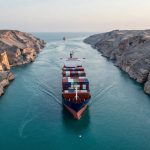
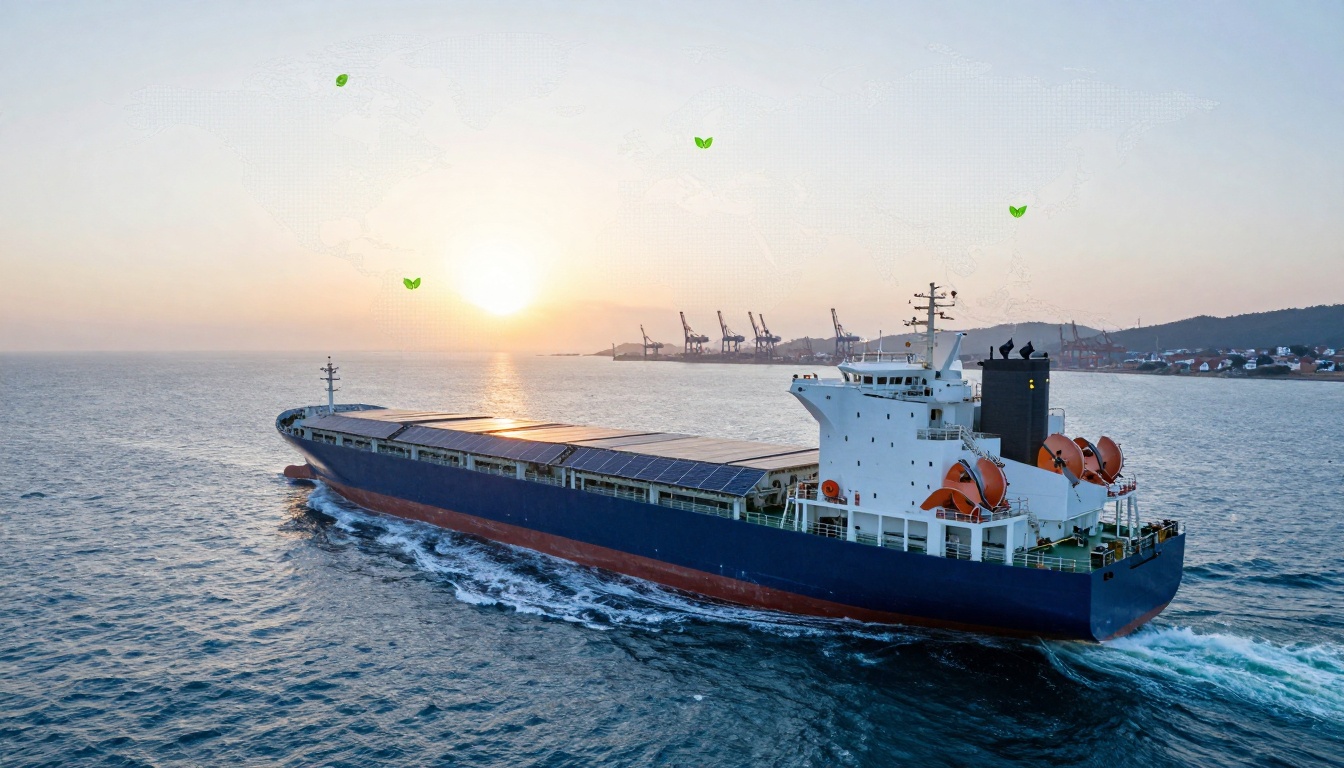
Picture a cargo ship slicing through waves, loaded with solar panels bound for Europe. It promises clean energy for millions. Yet, in ports from Vietnam to Kenya, workers worry. Will rules for greener trade lock them out? Global trade hit $35 trillion in 2025, up 7%. Now, in January 2026, new barriers like the EU’s Carbon Border Adjustment Mechanism test if we can cut emissions without hurting the poor.
The question burns: can we make trade kinder to the planet and fairer for people? Ships carry hope for lower carbon footprints. But tariffs and standards often hit developing nations hardest. This piece unpacks the tensions, spotlights fixes, and eyes 2026 paths forward.
What Drives the Push for Greener Trade?
Trade goes green when it cuts pollution and boosts renewables. Think wind turbines from China powering UK homes, or coffee from shade-grown farms in Colombia. These shifts aim to slash global emissions by 12% by 2035, as 113 nations pledged.
Rules like the EU’s CBAM, live since 1 January 2026, tax high-carbon imports such as steel. It adds $15 billion in costs yearly, nudging producers worldwide to clean up. Exporters must track emissions or pay up. Clean tech markets could reach $640 billion by 2030, creating jobs in batteries and panels.
Yet, green standards reshape supply chains. Firms localise production or diversify suppliers to dodge risks. For consumers, it means pricier goods at first. A steel beam costs more if made with less coal. Over time, though, prices drop as tech improves.
Vendors at bustling markets feel this first. Local sellers sort fruit under the sun, trading goods with low transport miles.

Photo by HONG SON
Small farms gain from certifications that reward sustainable practices. But big players dominate green supply chains. China leads in solar exports, holding 80% market share. This concentration sparks worries. Does green trade just swap old polluters for new giants?
How Green Rules Risk Deepening Inequality
New barriers fall heavy on poor countries. Developing economies export raw goods like cocoa or minerals. They lack cash for green upgrades. High debt traps them; borrowing costs soar. Slower trade growth in 2026 curbs funds for roads and schools.
Take CBAM. It spares low-carbon steel but slams producers in India or Brazil without tech aid. Small firms fold under compliance costs. Jobs vanish in carbon-heavy mills. The World Inequality Report 2026 warns such shifts widen rich-poor gaps. Top 1% hold 38% of wealth; bottom 50% scrape 2%.
Protectionism adds fuel. US tariffs on manufacturing rose in 2025. They shield local jobs but hike prices globally. Poor nations lose markets. South-South trade, like African pacts, offers buffers. Yet, weak demand from rich buyers hurts.
Nature studies show trade polarises. Some nations surge on green exports; others lag. Polarizing trends in trade and SDGs highlight how outsourcing dirty work burdens the Global South. Workers there breathe fumes while North reaps clean gains.
Imagine a Congolese miner digging cobalt for EV batteries. His village sees little profit. Profits flow north. Without fair shares, green trade entrenches divides.
Stories of Green Trade That Builds Fairness
Not all tales end grim. Costa Rica proves trade can heal both planet and pockets. Its eco-labels on bananas and tourism draw premium prices. Farmers earn 20% more; forests regrow. Exports doubled since 2010 without inequality spikes.
In Senegal, fishers use solar dryers. They cut waste, sell to Europe under green rules, and pocket steady cash. Community co-ops share gains. Such models spread via aid.
Africa’s green bonds fund solar farms. They create 10 jobs per megawatt, mostly local. India trains garment workers in low-water dyes. Factories stay open, wages hold.
These wins rely on help. Rich nations offer tech transfers. The WTO’s 14th conference in Yaoundé pushes this. Developing states seek flexible rules for food security.
UNCTAD’s January 2026 trade update spots trends like regional coalitions. Latin America trades lithium locally, cutting transport emissions and building skills.
One farmer in Vietnam stacks pineapples. His stall thrives on short routes, low waste. Local loops keep money home, proving small scales work.
Policies to Green Trade Without the Pain
Smart rules bridge the gap. Debt relief frees cash for green shifts. The Sevilla Commitment ties this to climate aid. UN carbon markets under Article 6 let poor nations sell credits, earning billions.
Blended finance mixes public cash with private. It funds factories in Ethiopia for recycled plastics. Returns stay local.
WTO reforms matter. Restore the Appellate Body for fair fights. Ease farm subsidies that distort green goods. Digital trade pacts speed clean tech flow.
EU’s Circular Economy Act mandates recycled materials. It opens markets for scrap from Ghana. Firms there upgrade, export more.
Davos 2026 urges partnerships. World Economic Forum on rethinking value calls for coalitions blending finance and policy.
Green trade barriers test this. Circular economy trade impacts show promise if paired with capacity building. Train inspectors, subsidise audits.
Picture ports buzzing with shared tech. Ships unload tools, not just goods. Nations trade know-how, not grudges.
Hurdles on the 2026 Horizon
Trade slows this year. Tariffs climb; security rules tighten. Critical minerals like lithium face oversupply gluts and chain risks.
Geopolitics fragments flows. Firms build flexible plants near home. This cuts emissions but raises costs for small traders.
Developing areas need aid most. Without it, they miss $640 billion clean markets. WTO talks stall on fisheries, e-invoicing.
Yet hope lingers. UNCTAD predicts South-South booms. Africa intra-trade could triple by 2030.
Wrapping Up: A Balanced Path Forward
Greener trade curbs emissions and spurs jobs, but only if equity leads. Costa Rica shows rewards; CBAM warns of pitfalls. Policies like aid and reforms pave fair roads.
What steps will your country take? Push leaders for tech shares. Readers, share views below. Together, we shape trade that greens the world without leaving boats behind.
(Word count: 1487)