
Listen to this post: Africa Builds Refineries to Keep Critical Minerals Wealth at Home
Dust swirls around workers in a Zambian mine as they load raw copper ore onto ships. These vessels head to factories in Asia and Europe. Africa holds 30% of global reserves for copper, cobalt, lithium, and manganese. These metals power electric cars, solar panels, and smartphones. For years, the continent shipped out raw rocks and imported finished goods. That meant few jobs and little cash stayed local.
In early 2026, a change brews. Countries build refineries to turn ore into batteries and wires right at home. Zambia passes laws for local buying. The DRC links mines to new rails. South Africa refines platinum. This shift promises thousands of factory jobs and billions in revenue. Workers will smelt metal instead of just digging it.
This article looks at key countries leading the charge. It covers rules that force value to stay local. Investments pour in, but challenges like power shortages loom. Africa aims to grab a bigger slice of the green tech boom.
Countries Turning Ore into Opportunity
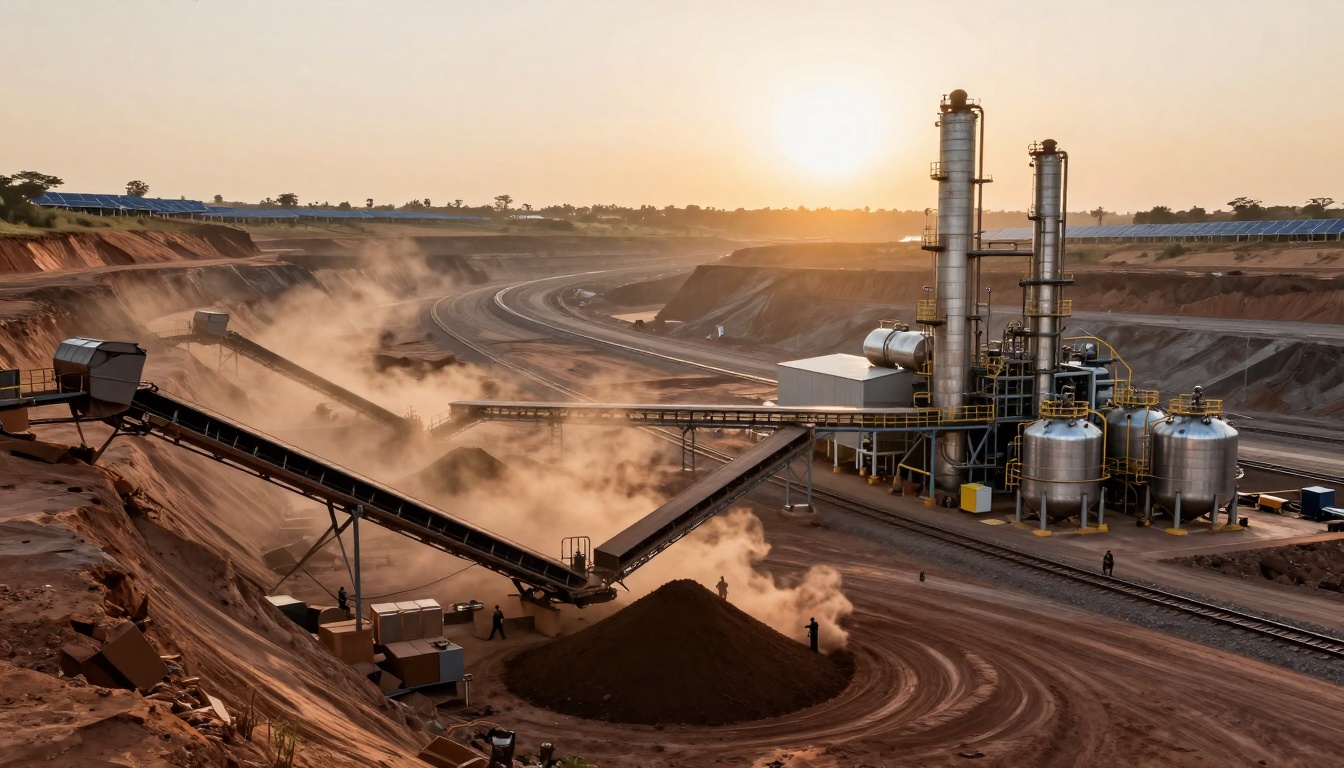
Africa’s mines hum with new energy. Nations once happy to export raw ore now demand processing plants. Factories rise near pits, filled with local hands at workbenches. Smoke stacks puff from smelters that turn rocks into sheets of copper or cobalt powder. This keeps wealth close and builds skills.
Zambia leads with copper plans. The DRC pushes cobalt and copper. South Africa handles platinum. Zimbabwe eyes lithium. Namibia builds manganese hubs. Ghana refines gold. Malawi bans raw exports. Each step paints a picture of bustling yards where trucks deliver ore to grinders and furnaces.
Take Zambia’s Kansanshi mine. First Quantum Minerals invests $1.25 billion in a plant. It aims for three million tons of copper by 2031. Workers in hard hats mix chemicals to purify metal. Nearby, DRC’s Kamoa-Kakula processes 380,000 tons of concentrate each year. A new Lobito rail speeds it to ports.
These sites create ripple effects. Villages gain shops and schools from pay cheques. For details on top projects, check mining projects to watch in Africa.
Zambia’s Push for Local Factories
Zambia surges to one million tons of copper in 2026. Investments hit $10 billion. A law from 1 January 2026 makes mines buy 20% of supplies locally. That rises to 40% soon. Think lubricants, explosives, and parts from Zambian firms.
New plants sprout. They hire thousands. A mine manager buys blasting gel from a nearby factory, not China. Workers learn to pack powder and weld frames. Factories buzz with drills and chatter. This builds a supply chain that lasts.
One US firm, Austin Elements, refines plans for a battery metals refinery. It eyes hundreds of millions in spend. Jobs flow to locals trained on site. Zambia turns ore into cash and skills.
DRC and Southern Neighbours Join In
The DRC rules cobalt with 70% of world supply. Kamoa-Kakula ramps up. Lobito rail links mines to Angola’s ports. Special economic zones draw smelters. See DRC’s push for new refineries.
Zimbabwe opens a lithium plant for sulfate. Namibia clusters manganese processors. South Africa refines platinum group metals. Shared plants cut costs. Firms pool power lines and labs. Trucks shuttle ore between borders.
Workers in hard hats smelt batches side by side. These ties boost output and know-how across the south.
Rules and Bans That Trap Value at Home
Governments craft smart policies. Local content rules demand mines source from home firms. Export bans halt raw ore ships. Malawi stops unprocessed minerals. Gabon ends raw manganese by 2029. Guinea ties deals to new refineries.
Ghana mandates $2.67 billion in local buys. It opened a gold refinery last year. At least 13 countries ban raw critical mineral exports. The goal? Smelters that lift $120 billion in raw value by 2040.
Foreign firms must build and train. In Zambia, mines stock local steel. A Chinese operator in the DRC erects a cobalt dryer. Locals run the controls after classes. Policies force partnerships.
No more free rides for buyers abroad. One mine in Guinea builds an alumina plant with partners. Ore stays to become metal sheets. Jobs multiply from diggers to machinists. For policy insights, read Brookings on Africa’s minerals prosperity.
These steps mimic oil nations that built refineries. Africa copies the play for metals. Factories light up nights with molten flows.
Cash Inflows, Partners, and Growing Pains
Money floods in. Zambia alone draws $10 billion. The Lobito Corridor links mines to sea. World forums urge more funds. Africa gets little of global exploration cash.
Partners balance powers. China dominates mines but refines most abroad. The US seeks energy security deals. The EU eyes EV supply. A B20 report puts Africa at the core.
Demand soars. EVs need six times more minerals. Solar and phones add pressure. Plants process copper for wires, cobalt for batteries.
Pain points hit hard. Power fails for 600 million. Skills lack in chemistry and cranes. Suppliers stay weak. Corruption risks deals. Environment suffers from waste ponds.
Solutions rise. Train youth in tech schools. Build clean energy for smelters. Clusters share grids. A report on the US-China race shows stakes.
Progress shines. Special zones in Zambia and DRC eye EV parts. Workers weld frames under bright lights.
Global Deals Reshaping the Game
US chambers push pacts. EU builds trust funds. China holds refining sway. A 2025 southern Africa report maps paths. The 2026 Africa Energy Indaba spotlights ties.
Deals fund rails and plants. Zambia inks with Qatar for copper. DRC courts Korea for cobalt chemicals. Balance keeps options open.
Firms like Ivanhoe expand Kamoa. Output climbs with partners’ cash.
Hurdles Like Power Shortages and Skills Gaps
Electricity flickers in refineries. Roads crumble under trucks. Past rules failed from poor plans. Politics shift contracts.
Fixes include shared power from dams. Tech schools teach welding and assays. Clusters let small firms join big ones. Cut corruption with clear bids.
Steps forward build steady. Green demand pulls nations through.
Africa grabs control in 2026. Refineries hum from Zambia to the DRC. Laws lock in local buys and bans. Investments flow despite power woes and skill needs.
Watch Lobito rails and Zambia rules. Jobs multiply. Cash stays home. Green tech booms with EVs and panels. If hurdles fall, wealth grows.
Will Africa claim its mineral riches? Picture factories full of proud workers. The continent writes its own story.