

Listen to this post: How Climate Adaptation Could Forge a New Path to Peace
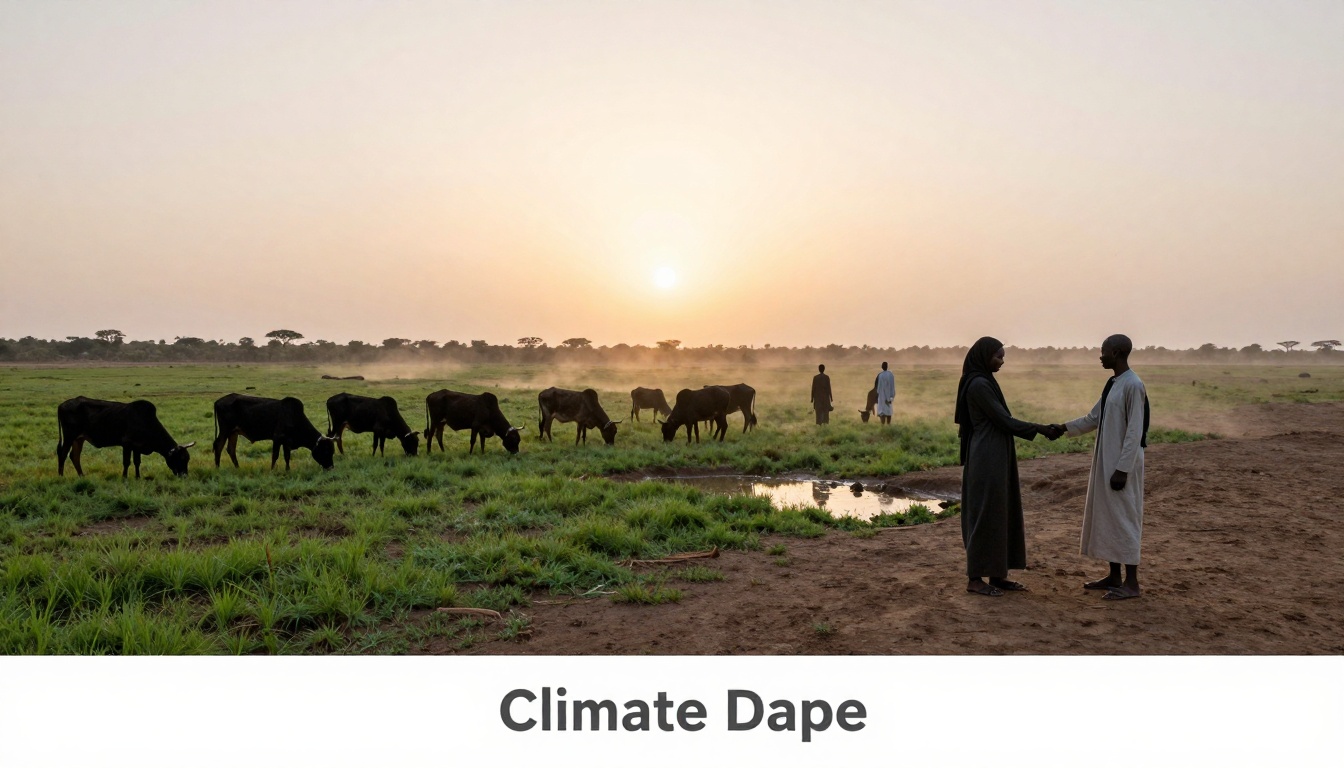
Picture this: in Mali’s dusty Sahel, herders clash over shrinking grazing lands during a fierce drought. Fists fly, blood spills, old grudges ignite. Then, locals sit together. They map shared water points and plant tough grasses. Fights fade. Cattle roam free. Handshakes replace hatred.
That’s climate adaptation in action. It means smart shifts like drought-resistant crops, flood barriers, or fair water rules to cope with wild weather. But it does more. It builds peace. Joint projects pull rivals into talks, fix shared woes, and uproot conflict causes.
Recent talks, like those at the Berlin Climate and Security Conference, spotlight this. Experts push for adaptation as a peace tool. In 2025 reports, leaders called for it in hotspots. This piece shows real cases and clear steps. Green fields bloom, villages thrive. Hope rises from cracked earth.
The Hidden Link Between Climate Woes and Local Fights
Hotter days scorch fields. Rivers run dry. Storms flood homes. These hits spark scraps over scraps. In weak spots, fights brew fast. A 2025 UN report notes climate stress ups civil war odds by 20% in shaky states. People chase water, land, food. Tensions snap.
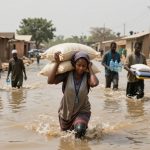
Ever seen cracked earth stretch endless? Farmers eye herders’ paths. Herders blame farmers’ fences. Migration swells camps. Hosts strain. Resources vanish. The IOM warns millions flee weather woes yearly, stirring border rows.
Take fragile zones. Droughts empty wells. Floods wash bridges. Crops fail. Families starve. Gangs grab control. Stats paint it grim: climate shocks double violence risks in dry Africa, per recent data. But talks turn crowds from sticks to shovels.
Facts build trust. UN teams track it. IOM maps flows. Simple fixes wait.
Droughts Turn Neighbours into Rivals
Sudan’s Gedaref State boils under sun. Rivers shrink. Farmers till soil. Herders drive goats through. Clashes kill dozens yearly. Dry spells worsen it.
A project spots signs early. Locals watch rains, track herds. They dig shared wells. Tensions drop. One herder said, “Water flows, so do we.” Hot air cools with cooperation. Rivers refill, not graves.
Floods Force People on the Move and Into Trouble
Mozambique reels from cyclones. Waters rise fast. Folks flee to high ground. Hosts share scraps. Strains build. Border posts jam.
UNHCR builds shelters for all. Strong roofs hold rains. Communities train together. Post-storm aid splits fair. Tensions ease. One flood-hit mum noted, “We shelter as one now.” Paths clear. Homes rebuild.
Real Projects Proving Adaptation Heals Divides
Success stories stack up in 2025-2026. Locals lead. They fix resources, cut rows. Trust grows. Kids play on green patches where blood once soaked soil.
In Kenya and Nigeria, plans mix climate smarts with peace chats. Irish Aid backs it. Powering Peace blends fixes. Fewer fists fly. Policies stick.
Mali carves safe trails for herders. Training spots dry spells. Clashes drop sharp.
Papua New Guinea crafts village maps. Tribal wars end. Folks return home.
Sudan plants trees across lines. Hands join in dirt. Cooperation sprouts.
These shine bright. Local voices steer. Outcomes glow: wars halt, fields green.
For deeper cases in risky spots, check this report on adaptation in high-security countries.
Kenya and Nigeria Share Water to Share Peace
Northern Kenya and Nigeria’s belts burn hot. Resources strain. Fights erupt over wells.
Irish Aid fuses plans. Locals map fair use. Climate talks weave peace. Herders and farmers vote rules. Fights plunge. Policies last. One chief shared, “Water binds us.” Crops thrive. Handshakes seal deals. See lessons from these hotspots.
Mali Maps Paths for Herders and Harmony
Sahel droughts chase herds south. Paths cross farms. Blades flash.
IOM trains 40 watchers. They chart routes, dodge dry zones. Herders glide safe. Clashes near zero. A trained local grinned, “Maps save lives.” Cattle fatten. Smiles spread.
Papua New Guinea Plans End Years of War
Tribes feud over flooded lands. Guns echo.
Seven plans focus gender, climate. Villages draw maps. Governments sign on. Displaced trek home. One elder beamed, “Peace roots deep.” Fields bloom. Laughter rings.
Steps to Turn Adaptation into Global Peace Tool
Train peace teams on weather risks. A 2025 XCEPT panel urges it. Spot floods early, share data.
UN pushes mandates. South Sudan peacekeepers build dams now. Women lead, per Georgetown studies. They spot needs first.
UK aid targets migration fixes. Funds local plans. Diplomacy scores: think shared rivers easing old hates.
Poor nations suffer most. Cash gaps loom. But voices count. Back projects. Urge leaders.
Imagine leaders at dams, toasting full reservoirs. Steps stack simple.
In the Sahel, EU eyes environmental wins. See practical examples there.
Lessons from Top Projects Worldwide
Key tools shine: early warnings ping phones. Communities map risks. Joint training builds bonds.
Ghana crafts water rules. All vote. Fights fade.
Timor-Leste shares forests. Trust grows.
A fresh UNDP compendium lists cases. It shows climate fixes spark stability. Grab climate solutions for peace.
Pull these anywhere. Wins multiply.
From Mali’s herders to global desks, climate adaptation turns foes to friends. Shared wells fill, fields green, hands clasp. It roots out rivalry.
Follow CurratedBrief for fresh updates on these shifts. Push UN funds. Voice support for local leads.
Picture villages strong amid storms. Laughter over dry cracks. Peace holds. You can help build it.
(Word count: 1487)