
Listen to this post: The Security Implications of Mega-Cities in Fragile States
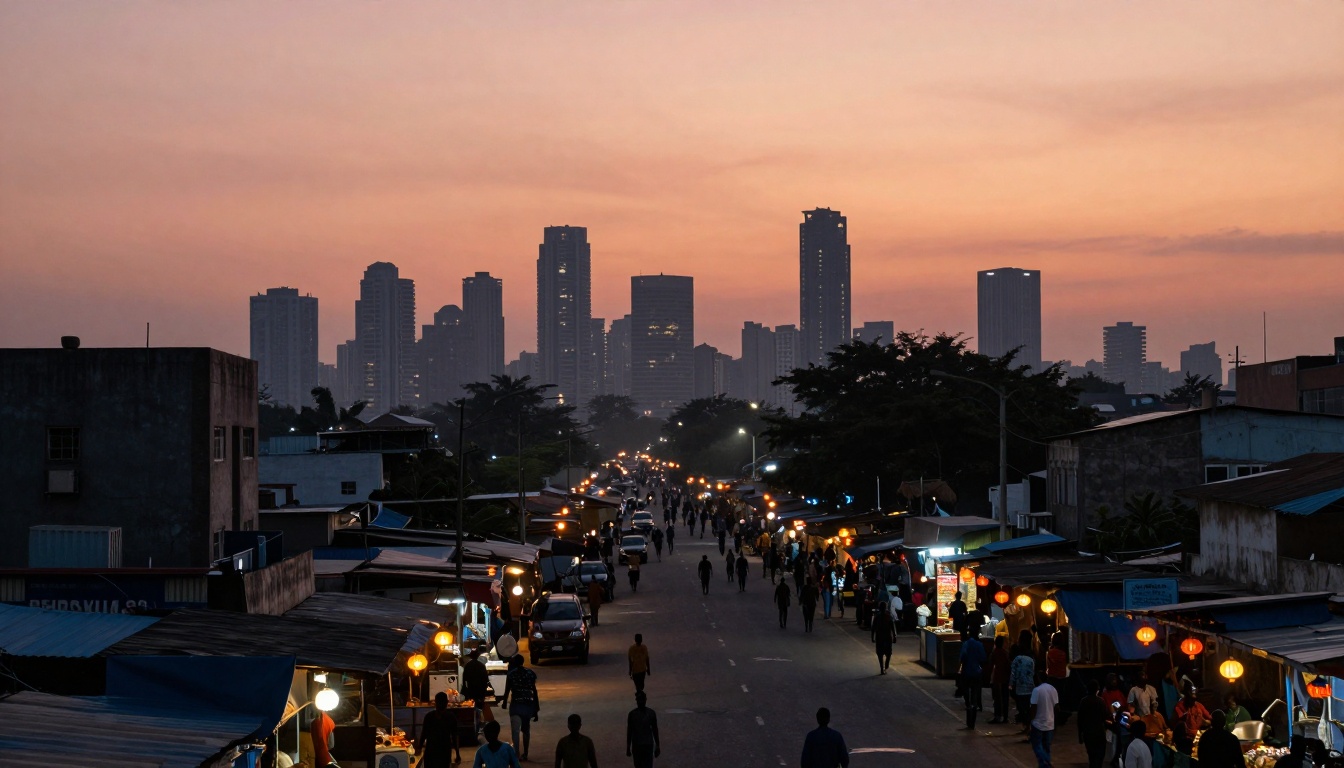
Picture Lagos at dusk. Crowds swell along packed roads as office workers rush home. Shadows stretch across markets where sellers hawk goods under flickering lights. In this mega-city of over 20 million, a wrong turn hides kidnappers on highways, or thieves slip through the throng. Mega-cities house more than 10 million people each. Places like Lagos in Nigeria, Kinshasa in the Democratic Republic of Congo nearing 17 million, Karachi in Pakistan, and Dhaka in Bangladesh mimic those strains.
Fragile states show weak governments, deep poverty, or ongoing fights, as the Fragile States Index tracks. Nigeria and Pakistan rank mid-tier, while Congo sits higher in risk. No top fragile spots boast full mega-cities yet, but growth pushes them close. This post looks at how fast urban swells breed crime spikes and terror threats. Main dangers include hidden gangs and stretched police. Yet smart steps offer real hope.
Why Rapid Growth Turns Cities into Security Hotspots
Fast population booms in fragile states overload cities. Lagos doubles in size every decade, jamming roads and flooding slums. Kinshasa’s sprawl hides militias in shanty towns. Poor services breed anger. Youth without jobs turn to theft or worse. Police forces buckle under bribes and bad pay, leaving gaps for crime.
Overcrowding strains thin security lines. Gangs claim neighbourhoods, taxing locals for “protection”. In fragile spots, weak rules let this fester. Nigeria’s Lagos hits 20 million despite middling fragility scores. Congo’s capital nears the mark. Highways clog with cars ripe for grabs. Slums pack people tight, perfect for trouble.
Crowds that Hide Criminals and Spark Clashes
Dense packs in Lagos breed pickpockets in markets. Dhaka’s 20 million squeeze into alleys where floods spark riots. Karachi ports smuggle arms to gangs. Poverty in fragile states swells these slums. Urban banditry hits Lagos hard; ethnic clashes flare in Karachi streets. Thieves vanish in the press of bodies. One bump, and wallets gone. Riots erupt over small sparks in the crush.
Governments Too Stretched to Protect Everyone
Weak states field police who chase bribes over bandits. Kinshasa cops overlook crimes for cash. Nigeria faced over 500 kidnappings by early 2025, prompting plans for 50,000 new recruits. Forces ignore rural terror like Boko Haram spilling to towns. Rural fights push groups cityward. Guards spread thin means nights go dark without patrols.
Real Dangers Residents Face Every Day
Daily life turns tense. Businesses hire private guards, hiking costs. Schools shut amid threats; economies grind slow. Expats pack up, draining skills. In Lagos, drivers eye rear mirrors on highways, fearing ambushes. Kinshasa protests draw gunfire; Karachi bombs shake blocks. Dhaka floods let extremists lurk. Fear grips commutes and markets alike.
For deeper context on urban fragility and security in Africa, see this analysis from the Africa Center. It spots slums as crime hubs, much like Kinshasa today.
Recent data paints the picture. Aid workers in Nigeria saw kidnappings jump in 2024-2025 from road grabs and home raids. Congo’s capital logged express kidnaps by fake police in Gombe, targeting foreigners for quick cash. Street gangs rob with knives near hotels.
Kidnaps and Bandits that Bolden Up
Lagos highways turn hunting grounds. Armed groups snag cars, post ransom videos online. Over 500 cases struck early 2025. Poverty and southern terror pushes fuel this. Trade stalls as lorries reroute. Families huddle indoors, kids miss school. Bold grabs happen in daylight now, shaking trust.
Armed Groups and Unrest Spilling into Streets
Kinshasa militias spark street protests with gunfire. Karachi militants clash in gang wars. Dhaka slums hide extremists amid floods. Fragile grip lets these swell. Businesses lose millions; investors flee. Checkpoints choke roads, but threats persist. One protest in Kinshasa drew embassy gunfire in January 2025.
Clear Paths to Tame These Urban Risks
Local fixes work best. Train neighbourhood watches to spot trouble early. Drones scan hotspots from above, cheap and quick. Nigeria eyes forest guards and fresh recruits for 2026. Global aid funds better gear, no strings. Cut poverty with jobs in markets and tech hubs.
Communities join in. Lagos groups map crime spots for police. Strong training curbs bribes. Tie aid to results, like safer slums. These steps build calm without big spends. Hope lies in action now.
See the IRC’s top 10 crises for 2026, which flags spots like these for urgent watch.
Residents in Lagos and Kinshasa dodge daily perils from crime and unrest. Rapid growth overwhelms weak states, hiding gangs in crowds and stretching police thin. Kidnaps surge; militias clash in streets. Yet paths forward shine clear: local patrols, tech tools, and job pushes.
Watch these cities close. Back aid that trains forces and cuts poverty. Safer streets await if leaders move fast. Global calm hinges on steady urban spots. Picture Lagos roads free of fear, markets buzzing without dread. Act now keeps that real.
(Word count: 982)