



Listen to this post: Local Peacebuilders: Quietly Stopping Violence Away from the Spotlight
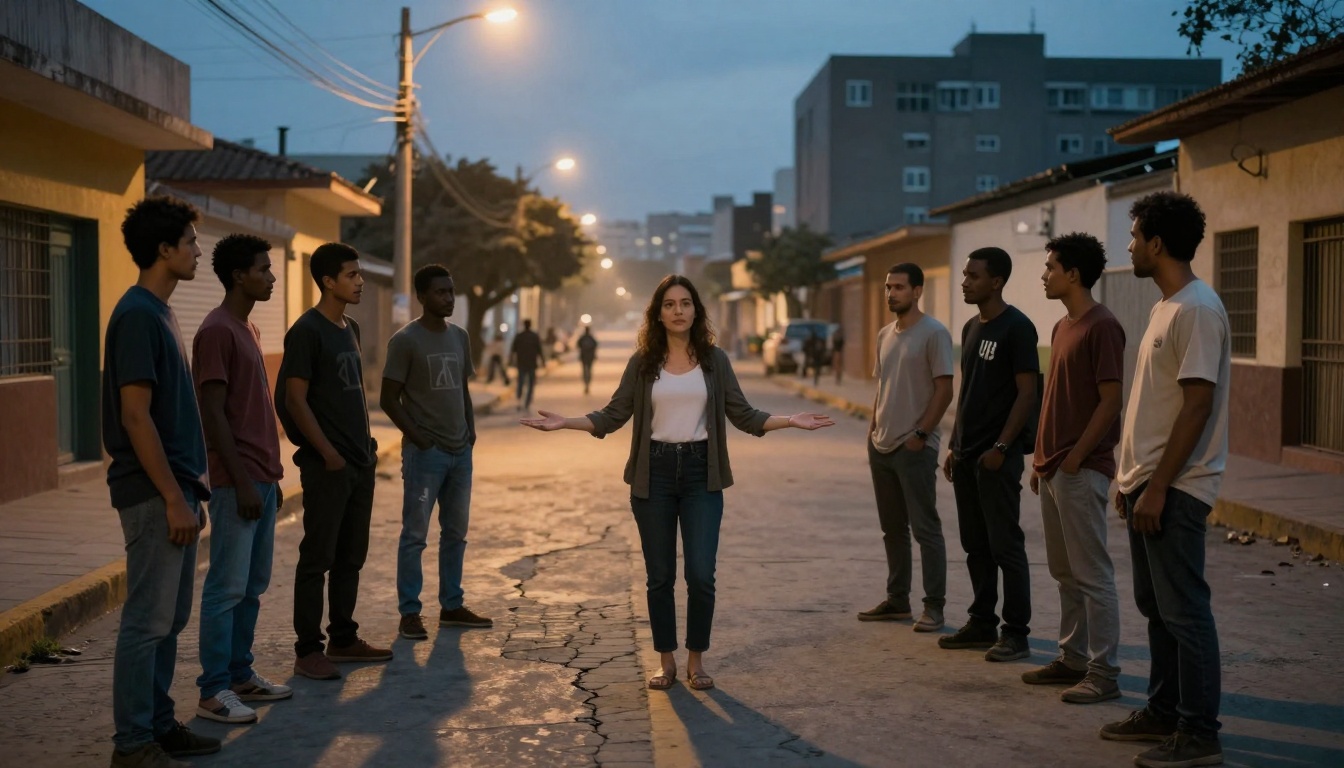
Picture a tense street in a Colombian city at dusk. Shouts echo between rival gangs. Fists clench, knives glint under streetlights. A woman steps forward, arms raised, voice steady. She knows both sides from years of shared markets and funerals. Minutes pass. Tempers cool. Men back away, grumbling but alive. No shots fired. No headlines.
These are local peacebuilders. Ordinary folk who stop fights through calm words and bold steps. They work in shadows, far from news cameras. Think dusty villages in South Sudan, rough estates in UK cities like Bristol, or gang-plagued spots in Colombia and Argentina. In 2026, with global tensions high from elections and economic strains, their role grows vital. Recent exchanges between Argentina and Chile show real impact. Leaders swapped stories on violence drops. One neighbourhood in Argentina saw feuds cut by 40% after simple chat sessions, per local reports. These people prove peace starts small, close to home.
Who Are These Everyday Peace Guardians?
Local peacebuilders come from the heart of trouble spots. They are not suited experts with fat grants. They live next door to the risks. In South Sudan, women cross ethnic lines to broker truces. Youth in Bristol gyms channel anger into discipline. Mediators in Colombia’s streets halt knife fights before blood spills.
Take Maria in Argentina’s Rosario. She lost a brother to gangs but now patrols alleys at night. Her tool? A radio and trust built over coffee chats. Or Jamal in a UK estate, fresh from jail, who spots brewing rows and pulls lads aside. These guardians face daily dangers: threats, beatings, loss. Yet they push on, driven by family ties and a clear view of what violence steals. Kids’ futures. Quiet nights.
They blend into crowds. Shop owners who host rival teens. Grandmothers who shame hotheads with stares. No uniforms, no budgets. Just grit and local know-how. In 2026, as conflicts simmer from climate woes to job losses, these figures hold lines that armies can’t.
Women Leading from the Front Lines
Women in South Sudan stand out. They use their place as mothers and traders to build bridges. In markets, they mix Dinka and Nuer women, sharing recipes amid old grudges. Vulnerability disarms: a widow’s tears remind fighters of home.
Groups run events like harvest feasts to heal rifts. They protest at checkpoints, unarmed, demanding safe roads. Talks with armed men follow, often under trees. Results show: youth recruiting falls as boys see options beyond guns. Communities knit tighter, with markets buzzing again. For details on community-led mediation processes in South Sudan, check this report. Their work cuts violence roots, one conversation at a time.
Youth Workers Turning Energy into Safety
In Bristol, Empire Fighting Chance turns raw energy into shields. Lads spar in non-contact boxing sessions, sweat mixing with honest talks. Coaches spot the quiet rage, the home troubles fuelling street beefs.
They pair punches with life skills: anger control, job hunts. Youth feel seen, not judged. Violence dips as lads pick gloves over knives. Similar setups thrive in Canada, sharing playbooks on engagement. Why it works? Teens trust peers more than coppers. One boxer shared: “Gym saved me from jail.” These spots prevent rows before they start, building safer nights.
Clever Tactics That Defuse Tension Fast
Peacebuilders pick tools that fit their streets. No grand plans, just sharp fixes. In Rosario and Cali, they train in violence interruption: spot signs like glares or gatherings, step in quick. Community mediation follows, with neutral spaces for air-clearing.
Groups like Pollack Peacebuilding teach negotiation basics. Role-plays on hot tempers, active listening. Locals link with police for data on hotspots, without full handover. Social contracts emerge: pacts signed by rivals, promising no reprisals. Art projects draw kids in, murals covering gang tags.
Budgets stay low. Borrowed rooms, volunteer hours. Data guides: map fights by time, place. Adjust patrols. In Bosnia, Post-Conflict Research Centre aids with dialogue models, healing old scars through stories. These fit cultures, dodge big-money pitfalls.
Talks and Quick Interventions That Work
Mediation shines in South America swaps. Trainers from Cali teach Rosario crews to halt escalations. Spot a shove? Insert yourself, separate, chat one-on-one. Cool heads prevail.
In Colombia, grassroots efforts like MEMPAZ help marginalised groups process conflict memories, shaping justice from below. Bosnia adds layers: group sits, shares pains, finds common ground. No judges, just facilitators. Fights drop as trust grows. One Cali team stopped 20 clashes in a month. Simple, fast, local.
Proof in the Results: Lives Changed Quietly
Numbers back the quiet wins. Argentina-Chile partnerships yield safer blocks. Godoy Cruz swapped mediators with Chile’s Peñalolén; feuds fell 30%. US Cure Violence networks, backed by Giffords, mirror this: interrupters cut shootings 40-70% in spots.
In Sudan, women’s circles boost school attendance, harmony. 2026 sees holds despite risks: Cali’s bombs rage, but locals train on. Youth forums from UNAOC link Argentina, Chile, Colombia kids in plans against fights. No armies needed; chats suffice.
Human tales seal it. A Rosario teen drops gang life for coaching. Bristol mums sleep sounder. Small acts outpace tanks, forging bonds that last.
City Swaps Sparking Lasting Change
Exchanges fuel progress. Godoy Cruz and Peñalolén leaders traded data tricks and chat scripts. Hotspots cooled with shared maps. Rosario-Cali training birthed new squads: negotiation drills, patrol teams.
Plans rolled out: youth hubs, elder watches. Violence stats dipped; one barrio saw zero killings post-swap. Realtime pushes in 2026 stress home-led talks over foreign fixes. These links prove swaps multiply impact.
Peace endures because locals own it.
Local peacebuilders show top-down fails where bottom-up thrives. They turn enemies to neighbours with words and walks. In 2026, support them: back groups, share tales, spot guardians near you. Chat with that tense neighbour. Notice the quiet stops.
Hope rises from streets, not summits. What if your block had one? Act now; peace waits for no one.
(Word count: 1492)