
Listen to this post: North Korea’s Return to Nuclear Testing: What It Means for Asia
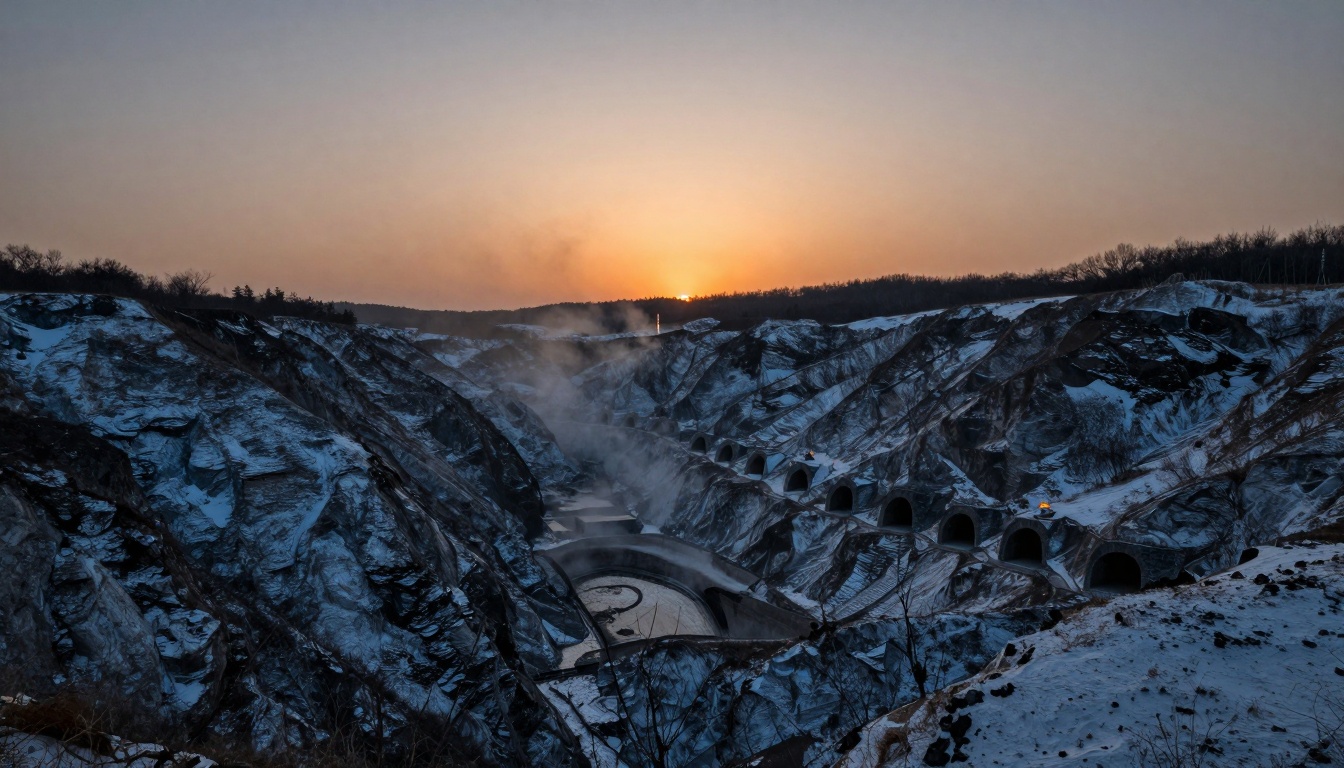
Picture the rugged hills of Punggye-ri, North Korea’s remote nuclear test site. Tunnels snake into the mountains there, once filled with the rumble of underground blasts. The last one hit on 3 September 2017, shaking the earth like a massive earthquake. Since then, an eight-year silence has held, the longest gap without a nuclear explosion since 1945. As of January 2026, no fresh test has occurred. Yet trucks rumble near old tunnels, missiles fly more often, and Kim Jong Un speaks of nuclear strength. The risk feels close.
This post breaks it down. It covers what a true return to nuclear testing would look like, why North Korea might choose it now, and the ripple effects across Asia. South Korea and Japan face direct threats. China watches its border. Leaders scramble for responses. Grounded in the latest reports, it shows the stakes without hype.
What “Returning to Nuclear Testing” Really Means, and What’s Happened So Far
Nuclear testing means an underground blast to prove a bomb works. Missiles differ. They carry warheads but don’t explode them. North Korea fires missiles often. It paused nuclear blasts after 2017. That halt came fast after peak activity. Sites like Punggye-ri stay ready. A decision could spark a test in weeks.
Experts track seismic waves for proof. No such signals show since 2017. Satellite images catch site work, though. Punggye-ri’s details reveal ongoing preparations. Tunnels hold shape. Debris clears easy. The 2018 demolition was mostly show. Real capability lingers below.
A Quick Timeline: From the 2006 First Test to the 2017 Peak, Then the 2018 Pause
North Korea started with a fizzle in 2006. The blast felt weak, like a small quake far off. Yield stayed low. By 2009, it grew stronger. Shakes registered bigger.
The pace quickened. 2013 brought a test tied to rocket launches. Yields climbed, matching bigger designs. 2016 saw two blasts. January’s felt medium. September’s hit hard, like a huge tremor. Many called it a hydrogen bomb attempt.
That 2017 peak topped six tests total. Each built know-how. The final one drew global fury. Sanctions bit harder. Talks hinted at peace.
Then came the 2018 moratorium. Kim met leaders. He blew northern tunnel mouths for cameras. It signalled pause, not end. No inspections followed. Tunnels seal quick with rubble and labour. The halt bought time, not trust. As CTBTO notes on the test-free stretch, this quiet phase now marks a record. Still, pauses break sudden.
The 2025 to 2026 Pattern: More Missiles, More Production, and Sharper Nuclear Language
Activity ramps without blasts. Missiles flew often in 2025. Hypersonic types tested early January 2026. Kim watched some. They pair with nuclear talk.
Factories churn. Uranium sites like Yongbyon expand. New plants hint at fuel growth. No blast needed yet. Rhetoric heats up. Kim calls nuclear arms key for defence amid crises.
Russia ties deepen, though fresh details stay thin. No imminent test signs at Punggye-ri. Daily NK reports Tunnel No. 3 stands ready, yet quiet. South Korea spies agree. A nod from Kim could change that fast. As of now, January 2026 holds the record lull.
Why North Korea Might Test Again, Even After Years of Silence
Leaders weigh costs. A test proves weapons. It signals power. Domestic crowds cheer. Outside, it grabs talks. Technical gaps push too. After eight years, doubts creep in.
Missile flights help. They check delivery. Blasts confirm the payload. Pyongyang claims boosts. Proof stays hidden without tests.
Testing Is a Workshop: Proving Smaller, Safer, and More Reliable Warheads
Think of it as a lab under rock. Engineers need data. Does the warhead shrink to fit missiles? Will it arm right? Years erode confidence. Metal ages. Designs tweak.
North Korea pairs blasts with missiles. Recent hypersonics scream fast. Submarine work hints at sea legs. A test locks in reliability. No need for big yields. Small pops verify tweaks. That’s why sites prep quiet.
A Message to Rivals and Partners: Deterrence, Status, and Leverage at the Negotiating Table
Tests shout. They force eyes on Pyongyang. Rivals drill more. Alliances tighten. North Korea wants that.
Status rises. It seeks nuclear club seat. Talks demand respect as equals. A blast resets the board.
Russia’s shadow helps. Shared tech whispers. Global rows, like US test talk, loosen norms. Kim might test to match. Leverage flows to future deals.
What a New Nuclear Test Would Change Across Asia, Country by Country
A blast alters maps. Alarms wail in Seoul. Tokyo boosts shields. Beijing reins in chaos. Markets dip. Drills multiply. Crisis edges near.
South Korea feels the heat first. Japan shares the fear. China pulls strings. Each reacts sharp.
South Korea: Stronger Deterrence, Tougher Politics, and Less Room for Trust
Seoul grabs missiles. Drills with US grow fierce. Public demands nukes of their own. Polls harden fast.
Leaders toughen lines. Dialogue fades. Trust crumbles under quake fears. A test spikes radiation worries, though tunnels contain most.
Defence budgets soar. Neighbours eye each other wary.
Japan and China: Tighter Alliances on One Side, Uneasy Leverage on the Other
Japan sees missiles arc close. Spending hits records. US ties deepen with bases, ships. Citizens stock shelters. Politics swings right.
China faces mess. A failed state spills south. War risks border calm. It urges restraint but avoids full squeeze. Mediation calls grow.
Pulls clash. US allies huddle. Beijing tugs Pyongyang. Region frays.
What Happens Next: Warning Signs to Watch and Choices Leaders Can Make
Eyes stay glued to hills. Patterns build truth. Leaders pick paths short of war.
Stability means no slips. Hotlines buzz. Red lines hold.
Signals That Matter: Site Activity, Rhetoric Shifts, and Changes in Military Posture
Watch trucks at Punggye-ri. Tunnel digs freshen. Evacuations swell zones.
Words sharpen. Propaganda blasts nuclear pride. South alerts rise.
Monitors like seismic nets ping. Rumours from South Korean claims on readiness add weight. One sign fools. Clusters warn.
Policy Options That Reduce Risk Without Pretending the Problem Is Simple
Hotlines cut fog. Clear no-go zones bind.
Sanctions plug holes. Pause flights near borders.
Talks freeze tests first. Verify steps build slow. NPT strains loom. Reviews push norms.
A Test Not Taken, But Risks Rising
North Korea holds back as of January 2026. The eight-year quiet persists, a fragile record. Punggye-ri sleeps, missiles fly instead. Yet production hums, words bite.
Preparedness counts. Lower missteps. Shield lives. Keep talks breathing amid thin trust.
Stay sharp on facts. Watch credible watches. What signal worries you most? Share below. Asia’s peace hangs on choices ahead.