
Listen to this post: Can Latin America Escape the Cycle of Polarisation and Protest?
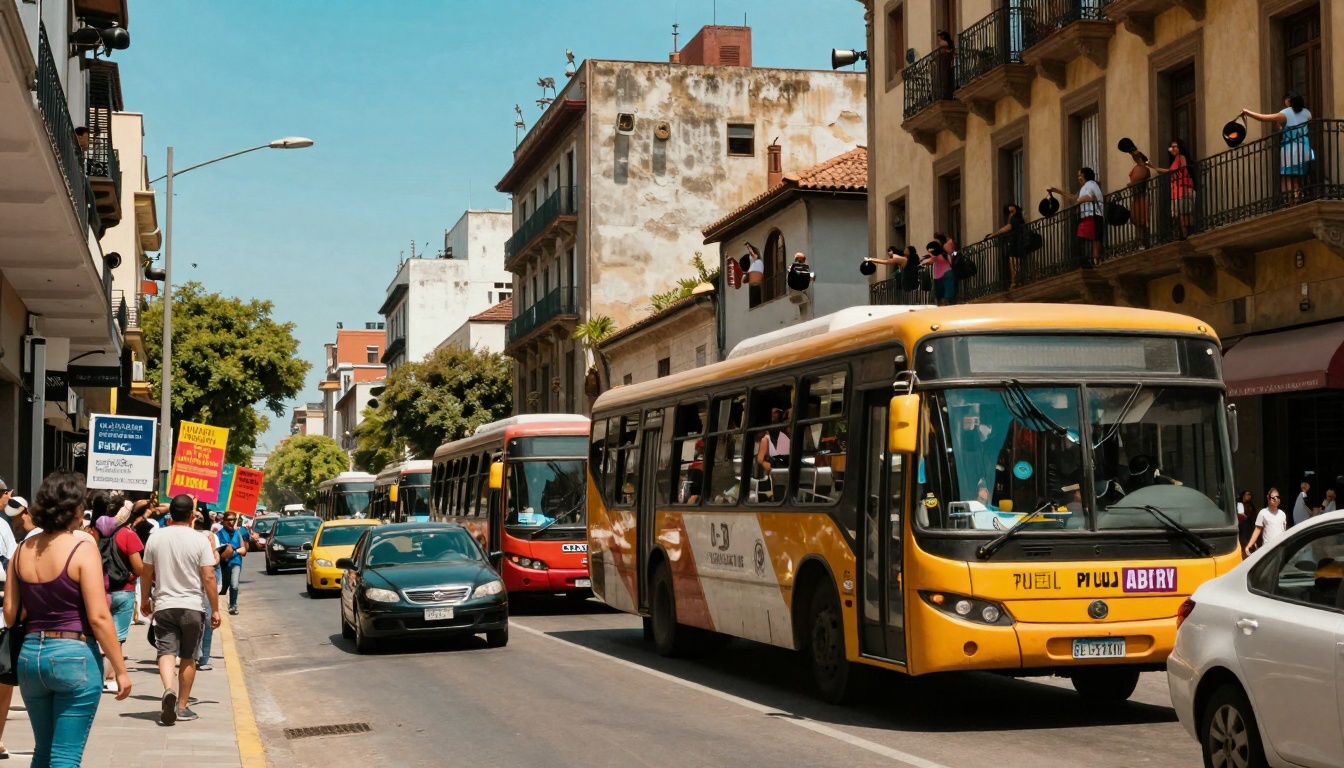
Picture a sun-baked street in Buenos Aires. Buses halt amid blaring horns. Women bang empty pots from balconies, a sharp clang that echoes old grudges. Placards wave high: demands for jobs, cheaper food, fairer leaders. This scene repeats in Santiago, Bogota, Lima. It’s the pulse of Latin America, where polarisation splits crowds into fierce camps with scant trust between them. No middle ground exists; it’s us against them.
The big question hangs heavy: can the region shift from endless crisis politics to steady problem-solving? Protests erupt, governments dig in, and divides widen. January 2026 sharpens this edge. A US military raid captured Venezuela’s Nicolás Maduro on 3 January, sparking shock waves. Borders buzz with anger and cheers. Old fault lines crack open. Yet paths out exist if leaders grasp them.
Why Polarisation and Protest Keep Returning in Latin America
Latin America’s streets fill fast when promises fade. Leaders win on bold pledges, yet delivery lags. Brazil saw massive rallies in 2023 after Bolsonaro’s exit; supporters stormed Congress, convinced the vote cheated them. Chile’s 2019 uprising started over a 30-peso metro fare hike but swelled into cries against inequality. Colombia’s 2021 strikes paralysed cities over taxes and health costs. Peru cycled through six presidents in five years, each ousted by fury. Argentina’s inflation topped 200 per cent last year, fueling Peronist clashes. Mexico’s drug wars breed daily violence, splitting views on crackdowns. Venezuela’s collapse under Maduro exported millions of migrants, stoking resentment everywhere.
These flares share roots. Voters tire of unmet needs, so they march. Shocks like pandemics or oil slumps ignite the tinder.
When the Cost of Living Rises Faster Than Hope
Empty shelves bite hard. Inflation in Argentina hit families first; bread prices doubled in months, while wages froze. In the 2000s, soy and copper booms lifted millions. Leaders like Lula in Brazil or Kirchner in Argentina rode high. Then commodity prices crashed. Scandals followed: Odebrecht bribes tainted rulers from Peru to Mexico.
Public services crumble too. Blackouts in Ecuador spark pots-and-pans noise. Water shortages in Mexico City leave taps dry for days. Inequality festers; the top 10 per cent hold half the wealth. Protests become the megaphone when ballots feel rigged. People shout because whispers go unheard.
Weak Institutions, Corruption, and the Feeling That Rules Only Work for Some
Courts move at a snail’s pace. Brazil’s Lava Jato probe jailed elites, but many walked free on technicalities. Police shield allies, not citizens. Parties splinter into personal fiefdoms. Congresses bicker without passing budgets.
Backroom deals thrive. In Peru, presidents fall to leaked tapes of graft. This breeds a “my side versus yours” mindset. Distrust pushes groups to streets for leverage. If rules favour the powerful, why play by them?
What January 2026 Shows About the Region’s Fault Lines
Early 2026 exposed raw nerves. On 3 January, US forces raided Caracas, seizing Maduro and his wife Cilia Flores. Over 150 aircraft struck military sites; no resistance mounted. They flew to New York for trial on drug and arms charges. International reactions to the US intervention poured in fast.
Venezuela split. Maduro backers marched small in Caracas, demanding release amid state emergency and militia roadblocks. Security forces nabbed cheerers and 14 journalists. Celebrations flickered but fear quelled crowds. Political prisoners gained freedom, yet tension simmers.
Venezuela’s Shock Waves, Protests, Counter-Protests, and a New Round of Mistrust
Ripples hit neighbours. Colombia saw thousands protest near Cúcuta border on 8 January, decrying the strike. Cuba mourned 32 soldiers with rallies in Havana by 16 January. Nicaragua jailed over 60 Maduro supporters. Human rights voices across Latin America called the raid unlawful, urging Venezuelan-led change. Brazil, Chile, Peru, Argentina, and Mexico stayed muted officially, but divides sharpened. Sovereignty clashes with democracy pleas; anti-US cries meet anti-dictator cheers.
People hold dual fears: foreign boots and homegrown tyrants. US intervention reshapes Latin geopolitics, say analysts. Local politics twists the knife; leaders score points off the chaos.
How Regional Actors Can Cool Tensions Instead of Amplifying Them
First 72 hours count. Governments issue calm statements, shield embassies, skip fiery tags like “imperialist plot.” Opposition avoids glee that looks unpatriotic. Civil groups push legal marches.
Policing matters. Protect rights, clear paths, de-escalate. Colombia’s border demos stayed mostly peaceful through restraint. Quick channels for grievances blunt edges. When leaders fan flames, mistrust multiplies; restraint starves it.
A Realistic Exit Ramp: How Countries Can Lower the Temperature and Still Get Things Done
Diagnosis done; now fixes. No magic fixes, just steady work. Keep protest alive but shrink its pull. Focus on daily fairness, shared rules, safe outlets, tamed online fire.
Make the State Feel Fair: Small Reforms That Change Daily Life
Visible wins build trust. Streamline procurement; post bids online, award to lowest fair quote. Brazil’s transparency portal cut ghost contracts. Speed public fixes: potholes patched in weeks, not years. Transparent budgets show where taxes go.
Anti-corruption cases must end in verdicts, not endless appeals. Local councils deliver best; empower mayors with funds and teeth. A fixed clinic or lit street proves the state serves all, not elites. Fairness trumps fanfare.
Build ‘Rules of the Game’ That Both Sides Can Live With
Election trust tops lists. Independent audits, quick tallies, observer access. Parties set internal codes; no court-shopping post-loss.
Chile’s constitutional talks aired woes, even if drafts failed. Dialogue demands trade-offs: timelines, veto power for minorities. Both camps concede ground. Results stick when losers see fairness.
Protect the Right to Protest While Cutting Violence and Manipulation
Clear rules help. Designate routes, cap hours, ban masks for thugs. Train police in rights standards; body cams record all. Independent probes nail abuses fast.
Punish vandals, not voices. Bar political hacks from paying agitators. Peru’s 2022 marches turned ugly with infiltrators; vet crowds early.
Tackle the Online Outrage Machine Without Censoring Everyone
Algorithms feed fury silos. Tag political ads with funders. Partner fact-checkers for viral claims. Schools teach source scrutiny.
Public broadcasters earn trust via balance. Mexico’s media literacy pilots curbed hoaxes. No blanket bans; sunlight disinfects.
Steady Repairs Over Street Fireworks
Latin America won’t snap the cycle by hope alone. Fair daily state actions, rules both accept, safe protests, and muted online rage form the ladder out. Institutions must deliver; leaders choose restraint over rallies.
Imagine quieter capitals. Markets hum without barricades. Debates fill halls, not headlines. Watch signals: easing prices, clean polls, leaders naming problems, not enemies. The shift starts small, but it holds.
What sign will you spot first? Share in comments.