
Listen to this post: How Trump’s foreign policy is testing the limits of alliances and treaties
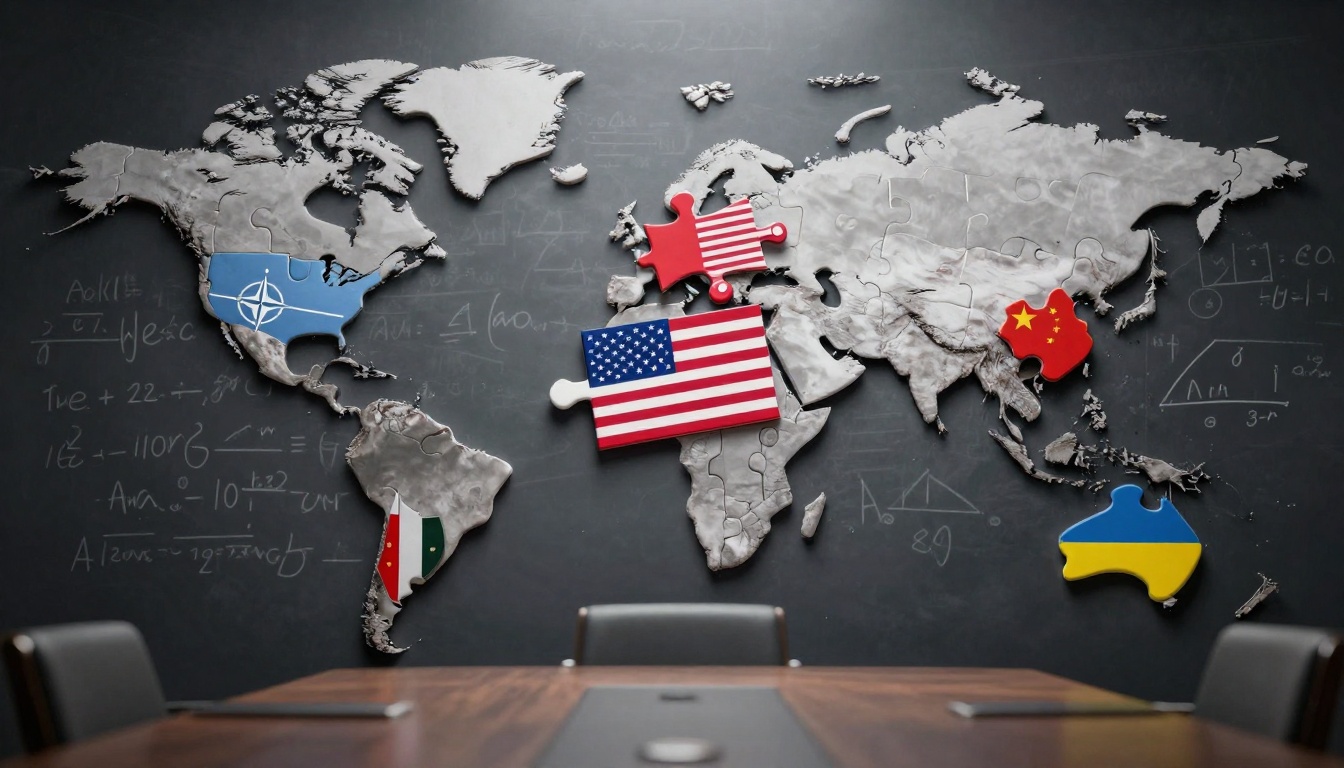
Leaders still line up in bright summit rooms, grin for the cameras, and shake hands like everything’s settled. Behind the smiles, it’s closer to hard maths on a whiteboard. Who pays, who promises, and what happens if someone walks away?
The core shift is simple. Trump’s foreign policy treats relationships like deals that can be re-priced. Alliances and treaties, though, are built for the opposite. They work best when the rules feel steady, even when leaders change.
This article breaks down three pressure points shaping headlines right now: NATO and Europe’s sense of safety, trade and treaty-style rules in Asia and China policy, and war diplomacy in the Middle East and Ukraine. By the end, you’ll understand why trust is becoming the scarcest currency in modern alliances.
A more ‘pay-your-way’ NATO is shaking Europe’s sense of safety
Alliances are like neighbourhood watch schemes. They aren’t only about the locks on each door, they’re about the shared belief that if one house is hit, the rest will show up. NATO’s Article 5 is the written promise, but the real power is the habit of backing it without hesitation.
That’s why language matters as much as tanks. In Europe, the worry isn’t that NATO disappears overnight. It’s that repeated public bargaining makes the guarantee feel less automatic. When support is described as something you earn each year, rivals start asking if the promise can be priced.
Across 2025 and into 2026, defence spending has climbed, partly because Russia’s war made the threat feel near, and partly because Washington has pushed harder. Reporting on NATO’s newer spending push shows how quickly expectations can shift, and how political it becomes at home for leaders who must find the money while protecting health, pensions, and energy bills. For context on the change in targets and tone, see the BBC’s reporting on NATO’s higher defence spending pledge.
The 5% spending push, and why it changes the mood in the room
Trump has pressed allies to aim far above the old 2% benchmark. A reported 5% ambition, discussed in public and through leaks, is a huge jump for many countries. Reuters captured the push and the resistance, explaining that even when NATO members raise spending, they may not endorse the new target as stated. That tension shows up in Reuters’ coverage of the 5% debate.
The politics are easy to picture. If a household has just adjusted to paying 2 pounds out of every 100 pounds towards a new expense, jumping to 5 pounds means cutting something else or taking on debt. Voters feel that quickly, and opposition parties can turn it into a referendum on national priorities.
Higher spending can strengthen deterrence, and many Europeans accept that reality after 2022. The problem is the framing. When the message sounds like a bill being pushed across the table, partners can feel less like allies and more like customers.
‘Transactional’ backing, and the risk that deterrence starts to wobble
A “transactional” approach can bring clarity. It can also plant doubt. If support is described as conditional on “material commitments” or purchases, it can look like pay-to-play, even when the underlying aim is shared defence.
That perception matters because deterrence lives in the mind of an aggressor. If rivals think NATO is arguing about the price of protection, they may test the edges with cyberattacks, sabotage, or pressure on smaller states. The alliance might still respond, but the mere question gives opponents room to gamble.
European policy thinkers have started to treat “low trust” as a structural problem, not a mood swing. The EU Institute for Security Studies puts that challenge in sharp terms in its report on transatlantic relations under Trump 2.0.
Some allies also see upside. Clear expectations can prevent free-riding, and several states have raised spending to keep the US engaged. Still, the core fear remains: if defence is sold like a subscription, what happens when the price rises again?
Treaties and trade talks: when ‘America first’ collides with shared rules
Treaties are built like timetables. They tell everyone when the train leaves, what ticket costs, and what happens if a signal fails. Trade bargaining is different. It’s closer to haggling at a market stall, with threats, deadlines, and sudden “final offers”.
Trump’s “America First” approach often favours the market stall. It uses tariffs and the promise of pain to push for better terms. That can work in the short run, especially when the US economy is large enough to absorb shocks better than smaller partners. But it also tests the habit of rule-following that makes global trade less risky for allies.
At Davos, Trump’s warnings to Europe mixed defence pressure with trade pressure, which made the message feel joined-up: pay more for security, and also prepare for tougher trade. Euronews summed up that blend in its piece on tariff warnings and the NATO spending push.
China as an economic rival: tariffs, minerals, and the cost to partners
China sits at the centre of the economic story because it’s both a major market and a strategic rival. Trump’s approach tends to treat China policy as a series of bargains: tariffs, export controls, and pressure around supply chains, with minerals and advanced manufacturing never far from the conversation.
The spillover is what hits allies. A tariff on one route can raise costs across the whole shop. If components are delayed or re-routed, prices rise, timelines slip, and businesses start hoarding. Even countries that agree with Washington on the risk from China may dislike being forced into sudden choices.
When trade becomes a contest of threats, it also becomes harder to plan investment. That’s a quiet way treaties lose power, not through formal withdrawal, but through a slow loss of predictability.
For a sense of how this bargaining style is seen as reshaping global behaviour, TIME’s early 2026 analysis is useful reading on Trump’s foreign policy gambits.
Asia alliances still matter, but the trust test is about predictability
US alliances in Asia rely on presence, planning, and a sense of steady commitment. Groupings like the Quad signal shared purpose, and defence exercises show the machinery still turns. Yet partners also watch for sudden changes in terms. A promise can be real and still feel unstable if it’s re-negotiated in public.
Taiwan is a good example of how language shapes nerves. If Taiwan is framed mainly as a strategic asset for chips and shipping lanes, the region can start to feel like a high-stakes business zone. That framing may be practical, but it also makes smaller states wonder whether values and security guarantees are being priced like commodities.
The takeaway is blunt. Allies plan around what they can count on, not just what is promised. A treaty is meant to be boring. When every commitment sounds like it could be reopened next quarter, even friendly capitals start building Plan B.
For reference on the broader set of positions Trump has argued for over time, the Council on Foreign Relations keeps a useful explainer on Trump’s foreign policy positions.
War diplomacy in the Middle East and Ukraine is stretching norms, not just nerves
Diplomacy during war is like trying to repair a roof in a storm. Speed matters, and bold moves can sometimes break deadlocks. The risk is that haste can also crush rules that took decades to build, rules about civilians, borders, and what counts as legitimate pressure.
Trump’s style often favours fast pressure campaigns. Allies don’t always dislike the speed, especially when publics are tired of endless conflict. What they fear is precedent: if powerful states start treating law and norms as optional, smaller states lose protection.
This tension has played out in reactions to proposals and statements on Gaza, Iran, and Ukraine, where partners must weigh security needs against legal and moral lines. One consistent theme runs through it all: even when the end goal is peace, the method can strain alliances.

Photo by Karola G
Gaza proposals that sparked outrage, and why allies worry about precedent
In early 2025, Trump floated ideas about Gaza’s post-war future that drew sharp backlash internationally, including from voices in the UN system and human rights circles. When proposals sound like outside powers can “take over” territory or move populations as part of a plan, allies worry about the example it sets.
The fear isn’t only moral. It’s practical. Forced movement can create long-term instability, deepen radicalisation, and keep neighbouring states on edge. It can also make co-operation harder for European and Arab partners who must defend their own legal commitments at home.
There have also been attempts to use regional diplomacy to cool tensions and build workable arrangements, because no major player wants Gaza to remain an open wound. The issue is that big, blunt statements can drown out quieter negotiations, leaving allies to answer for positions they didn’t choose.
When Washington looks willing to treat basic rules as flexible, partners start asking a nervous question in private: if it can happen there, why not elsewhere?
Ukraine and Russia: pushing talks while redefining what ‘support’ looks like
Ukraine is where alliance trust meets the hardest test: borders. Pressure for talks can appeal to war-weary voters, and any serious peace effort needs diplomacy. But if the messaging suggests that key aims are “unrealistic” before negotiations even start, allies fear the outcome will reward aggression.
The strain grows when signals mix. Extending sanctions while urging negotiations can be coherent, it can mean “talk, but with pressure”. It can also read as confusion, which invites Moscow to wait for cracks.
Another source of tension is conditionality. When support is linked to repayment, access to resources, or other side deals, it changes how the alliance story sounds to ordinary people. Instead of “we defend a neighbour against invasion”, it becomes “we’ll help if the terms are right”. That may be defensible in domestic politics, but it lands badly in capitals that have sold sacrifice to their publics as a matter of principle. These shifting narratives are often shaped by broader cultural influences on foreign policy, where public sentiment and national identity serve as powerful undercurrents. When leaders prioritize conditional support, they risk alienating their citizens who expect unwavering commitments based on shared values. This disconnect can ultimately undermine the credibility of alliances, as populations question the sincerity of their leaders’ intentions.
A useful snapshot of how US travel and summit diplomacy has been used to shape these conflicts is captured in this mapping project on Trump’s second-term diplomacy. It shows how often the same themes repeat: pressure, deals, and public messaging that forces allies to react fast.
Conclusion: three signals to watch in 2026 headlines
If you want to track whether alliances and treaties are bending or breaking, three simple signals help. First, watch whether spending demands come with steady guarantees, or whether the guarantee is always up for re-pricing. Second, watch whether trade fights stay focused on China, or widen into pressure on allies who rely on open markets. Third, watch whether peace pushes protect basic rules on civilians and borders, or brush them aside for speed.
Alliances can survive stress. Many have before. They survive when partners believe the commitment lasts longer than the next negotiation, and when trust is treated as a strategic asset, not a bargaining chip.