



Listen to this post: Africa’s Generational Shift: Young Populations, Old Leaders and Big Choices
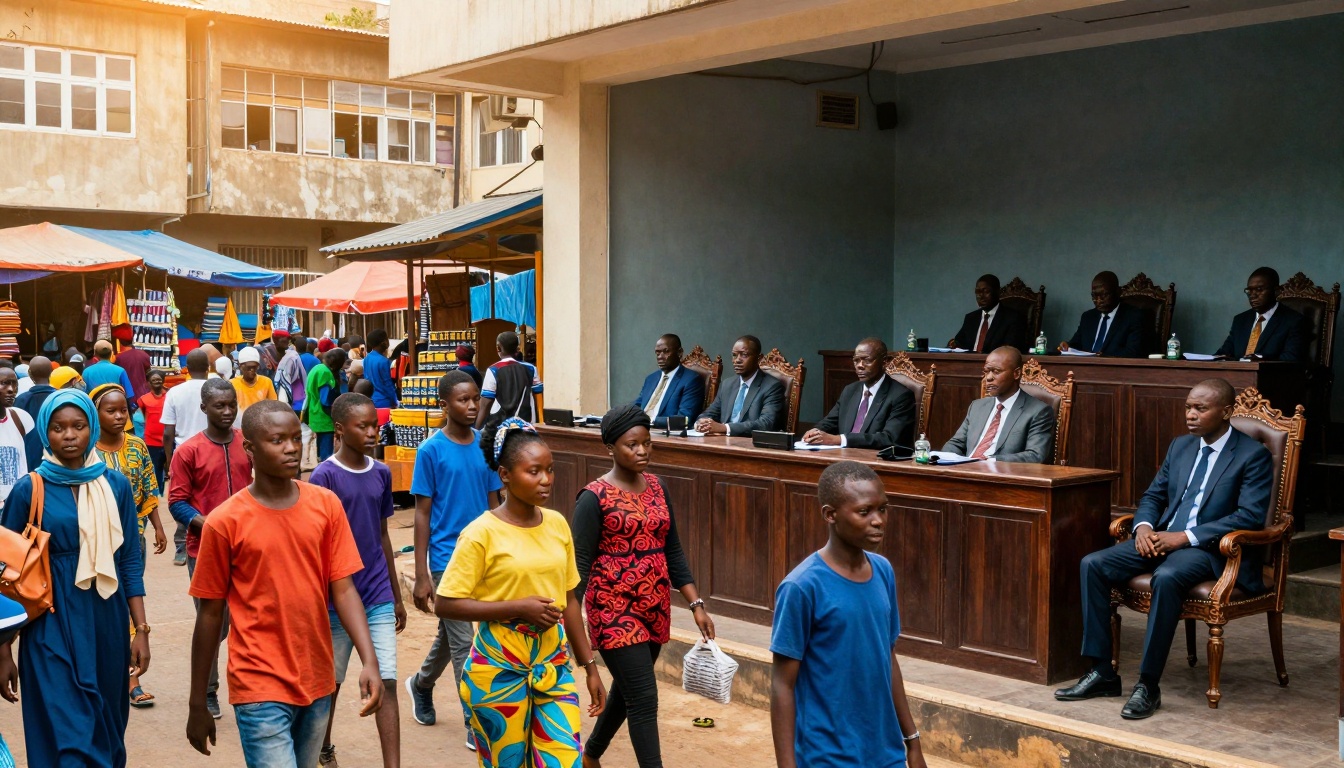
Picture bustling markets in Lagos, where crowds of teenagers hawk goods under the sun. Young faces dominate the streets of Nairobi, full of energy and dreams. Yet in grand halls, grey-haired men in suits cling to power. Africa holds over 60% of its people under 25, with a median age of 19. Leaders average 62 years old. This gap fuels tension. Protests erupt over jobs and fairness. But it also promises growth if handled right.
This mismatch stirs unrest from Kenya to Nigeria. Young people demand change, while old guards resist. The continent faces a youth bulge that could spark conflict or drive progress. This post breaks down the numbers, the leaders who stay put, the fights for jobs, and paths forward. Can Africa turn its youth bulge into real power?
The Youth Boom Sweeping Africa
Africa pulses with youth. More than 60% live under 25, and 75% under 35. The median age sits at 19, far below the world’s 31. Sub-Saharan Africa leads this trend, with 51% under 20. Countries like Angola clock in at 16. High birth rates, around 4.2 children per woman, keep populations young. Rural areas swell fastest, pushing families to cities for chances.
This boom shapes everything. Schools overflow. Cities strain under new arrivals. Jobs lag behind. Yet it offers a workforce that could lift economies.
Today’s Startling Numbers
In 2026, Africa counts 1.4 billion people, the youngest continent. Compare that to the US at 38 or Europe at 44. Sub-Saharan Africa holds 1.1 billion, with 70% under 30. Under-15s make up 43%. Rural spots face steeper growth; urban youth chase better lives.
These figures stun. Imagine streets packed with schoolkids outnumbering elders three to one. Nigeria alone readies 93 million youth for work by 2040. Côte d’Ivoire and Ghana follow with 13 and 12 million. Such numbers demand action now.
What 2050 Holds
By 2050, Africa hits 2.5 billion, one in four global people. Sub-Saharan youth swell to 830 million, 40% of world children there. Niger surges 146%, outpacing jobs. The youth share dips slightly as births slow, but raw numbers explode.
This youth bulge acts like a wave. Ride it with skills and jobs, and economies boom. Ignore it, and frustration builds. Life expectancy climbs to 73 in parts, adding pressure. The chance hangs in balance.
Why Leaders Stay Old While Nations Stay Young
Africa’s rulers average 62, twice the population’s median. Many over 70 hold seats for decades. In Niger and Uganda, patterns repeat. Long terms and no limits keep them there. Youth voices fade in the background.
This age chasm breeds distrust. Young voters see no path up. Power stays with the old, even as nations renew.
Meet the Long-Time Rulers
Leaders like those in Niger top 70, ruling over 20 years. Uganda’s president nears 40 years in power. Into 2026, trends hold. Eritrea’s boss has led since 1994. Cameroon’s since 1982. They win elections amid weak rivals.
These men built nations post-colonial rule. But time erodes fresh ideas. Protests target their grip.
Barriers to Fresh Faces
Power clings tight. Weak opposition lacks funds or reach. Elder culture values experience over speed. Term limits exist on paper in spots, but courts bend rules.
Youth frustration mounts. No young MPs rise fast. Corruption scares off talent. The gap widens, sparking calls for reform.
Young Africans Fight for a Fair Shot
Unemployment bites young Africans at 20-30%. Systems churn out graduates for scarce jobs. Rural rates top 20%. Most land in informal work, 90% of gigs, with low pay and no safety.
Education mismatches skills to markets. Tech booms, but training lags. Protests rock Kenya, Nigeria, Senegal from 2024 into 2026. Crowds chant for jobs amid hardship.
Innovation flickers. Apps link farmers to buyers. Yet systemic fixes lag.
Jobless Youth and Broken Systems
Each year, 12 million youth enter the workforce. Jobs number just 3 million. Nigeria’s 93 million seekers face informal traps. Rural youth suffer most; cities lure them to slums.
Schools teach theory, not trades. Fertility keeps inflows high. Migration sends 31 million abroad. Africa’s Gen Z unrest shows generational divide between rulers and ruled.
Protests Signal Change
Kenya’s streets fill over taxes and jobs. Nigeria boils from poverty and oil woes. Senegal youth topple old limits. Angola and Niger simmer with bulge risks. Gen Z protests spread tactics across borders.
Fires light in markets. Phones spread calls. Economic anger drives marches. Governments crack down, but voices grow louder. Change brews.
Choices That Could Unlock Africa’s Power
Hope rises in tech hubs. Digital work reaches 80 million youth. Skills bootcamps train coders. Green farms and solar plants hire masses. Women lead with microloans.
By 2050, 740 million more workers join. Pressure mounts for young leaders. Numbers force doors open.
Smart Ways to Harness Youth
Hubs like Andela code apps worldwide. Farm-tech boosts yields. Apprenticeships fill gaps. Girls’ schools cut births, free workers.
Act now for dividend: more producers than dependents. Like East Asia’s rise, but African style.
The Coming Leadership Wave
Youth numbers crush old holds. Politics sees young MPs climb. Protests birth parties. By 2050, fresh faces lead. Institutions face Gen Z reckoning as digital natives demand seats.
Optimism builds. Waves crash on shores of change.
Africa sits at a crossroads. Young crowds clash with old rulers, but promise gleams. Leaders must pour cash into jobs and schools. The youth bulge turns threat to strength with right moves.
What role can the world play? Invest, train, listen. Follow CurratedBrief for updates on global shifts. Act today; tomorrow belongs to Africa’s youth.