
Listen to this post: How Sanctions Are Quietly Redrawing the Map of Global Trade
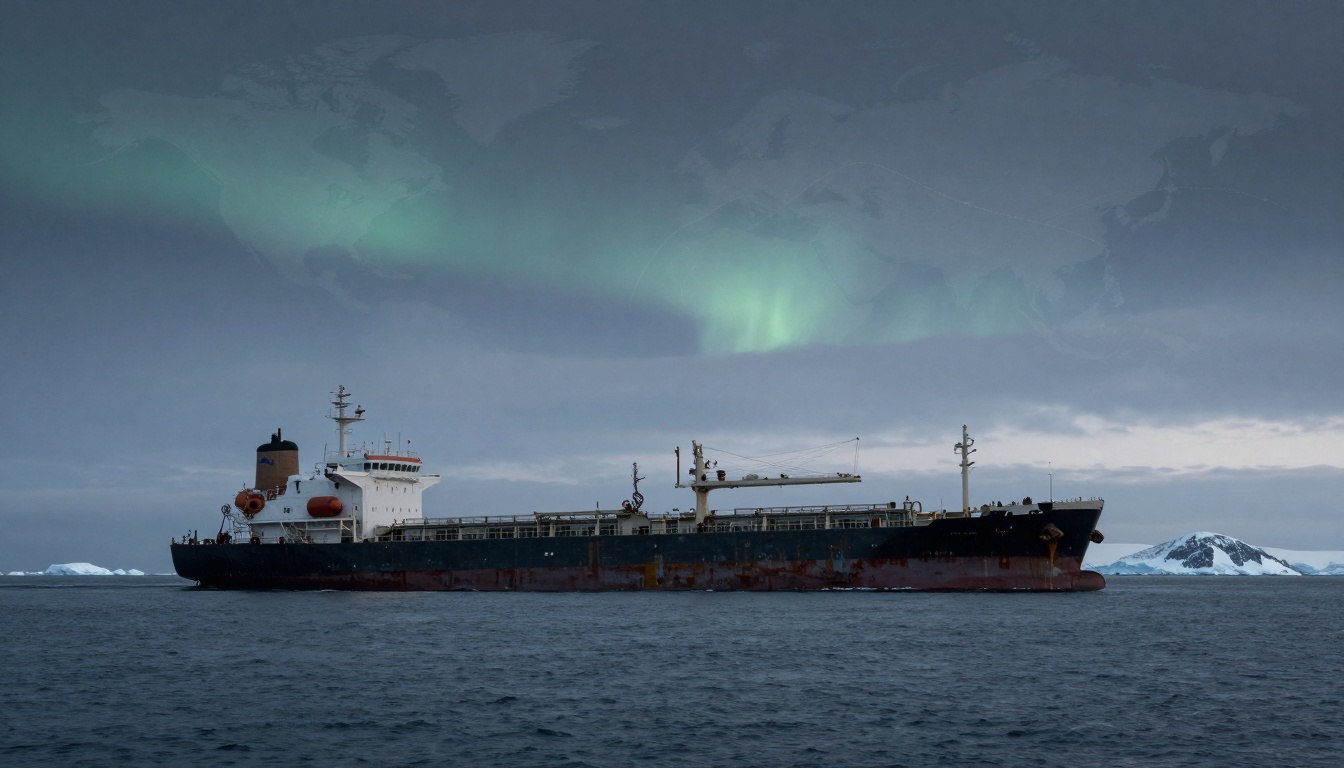
Picture a rusty tanker gliding through dark Arctic waters. It flies a flag from a distant Pacific island. No radar tracks it. This ship carries Russian oil to China, dodging US and EU sanctions. No headlines scream about it. Yet these quiet moves reshape trade paths worldwide.
Since 2025, tougher US and EU actions have forced companies to reroute goods and seek new partners. Global trade growth dips to 2.6% in 2026, down from brighter years. Oil tankers hide. Factories shift. Alliances twist. Ships once crossed oceans now hug coasts. Small nations grab chances while big ones scramble.
These changes hit energy flows hardest. Russia, China, Iran, and Venezuela face blocks on oil sales. Shadow fleets swell to over 600 tankers for Russia alone. Costs climb. Routes bend. Who gains from this scramble?
Photo by Lara Jameson
Countries Facing the Sharpest Sanctions in 2026
Sanctions bite hardest on a few key players. US and EU rules target oil trades and tech flows. Firms now rank sanctions as their top risk, with 79% citing them in surveys. These blocks raise prices and snarl supplies. What happens when oil ships hide in plain sight?
Russia’s Shadow Fleet Under Fire
EU banned 41 Russian ships in December 2025. US OFAC rules chase evasion tricks. Owners swap flags or vanish records. These shadow fleets ship oil to China and India, making up most exports. Tankers turn off trackers for ship-to-ship swaps at sea.
Blocks hit allies too. Ports refuse docking. Insurance vanishes. Russia loses 15% oil revenue in 2025. For details on third-country risks, check this House of Commons analysis on Russia sanctions. Trade slows as ships take longer paths.
China’s Walls Get Higher with Tariffs and Bans
US tariffs climb into 2026 on Chinese goods. Export curbs on chips team up with Japan and Netherlands. China hits back with rare earth limits from late 2025. Firms chase “China plus one” plans, but parts shortages close ASEAN factories.
Local content rules demand over 50% home-made parts. Floods of cheap goods overwhelm neighbours. See Holland & Knight’s top OFAC trends for 2026 for sanction paths ahead. Buyers pay more. Supplies tighten.
Iran and Venezuela Feel the Squeeze Too
US checks ship owners to block Iran’s oil. Most heads to China via dark fleets of 500-plus vessels. Venezuela faces investment curbs and network hits. Leaders face arrest threats. Oil routes from Atlantic to Asia twist.
These nations adapt with barters and flags from small states. Pressure builds, but sales hold at 70% via shadows for Venezuela. Both lean on China, which buys 90% of their crude.
Trade Routes Bending to Beat the Bans
Sanctions push trade from globe-spanning lines to tight loops. Conflicts and forced labour checks add knots. Logistics firms report higher costs and delays. Small economies suffer most as growth stalls. Southeast Asia feels exposed to floods of redirected goods.
Long hauls shrink. Short trips rise. Ports near home buzz with action.
From Long Hauls to Local Loops
Ships skip Suez for Africa capes. That adds weeks and fuel. Russia oil floods Baltic neighbours. China surpluses pile into ASEAN ports. Regional hubs like Singapore swell.
Black Sea paths clog from Ukraine woes. Indian Ocean routes dodge Iran checks. Picture tankers clustering off Malaysia for secret handoffs. Costs jump 20%. Trade pivots close to shore.
Supply Chains Pack Up and Relocate
Firms flee China for safer spots. Vietnam and Mexico draw factories despite their own tariff risks. USMCA faces review in July 2026, straining North America ties.
Companies pick safety over cheap hands. Diversification spreads risks. Yet shadow fleet tricks keep oil flowing, just slower. Plants near markets cut shipping woes.
| Route Shift | Old Path | New Focus | Impact |
|---|---|---|---|
| Russia Oil | Baltic to Asia | Black Sea locals | +15% costs |
| China Goods | Pacific to US | ASEAN hubs | Factory closes |
| Iran Crude | Middle East to China | Indian Ocean loops | Insurance spikes |
New Partnerships Forming Amid the Chaos
US pulls EU and Japan into joint curbs. Regional pacts bloom in Asia and South America. Protectionism surges. Who teams up next as old friends strain?
Southeast Asia eyes gains at 4.2% growth without China drags. Yet risks lurk.
US Allies Lock Arms Against Targets
US leads EU, Japan, and Netherlands on Russia and China blocks. Joint ship bans and chip limits tighten. Examples include shared blacklists.
These moves chase evasion worldwide. Ports align. Trade barriers rise together. For business risks from this web, read Pinsent Masons on the ‘spider effect’ of sanctions.
Fresh Openings for Rising Trade Stars
ASEAN grabs factory shifts despite floods. India builds ports for reroutes. Developing spots grow faster, dodging big power fights.
Vulnerabilities remain, like reliance on China parts. Still, ports hum. Deals with non-sanctioned sellers multiply. Winners adapt quick.
What These Changes Mean for Tomorrow’s Trade
Costs stay volatile. Firms battle compliance. Tech tracks shadows better. No full pullback happens; trade just turns regional.
Growth at 2.6% reflects caution. Oil prices swing with fleet seizures. Businesses hedge with local buys. Ports and pacts decide winners.
Adaptation rules. Smart firms reroute now. Watch for tariff twists and alliance shifts.
Conclusion
Sanctions shorten routes, realign friends, and slow trade to 2.6% growth. Tankers hide less each month. Factories chase safe homes. Russia, China, Iran, and Venezuela squeeze but persist.
Keep eyes on busy ports and fresh pacts. Personalise your feed on CurratedBrief for real-time updates. Smart moves turn pressure to gain. Trade maps redraw, but the flow never stops.