
Listen to this post: The Future of NATO in an Era of America First Foreign Policy
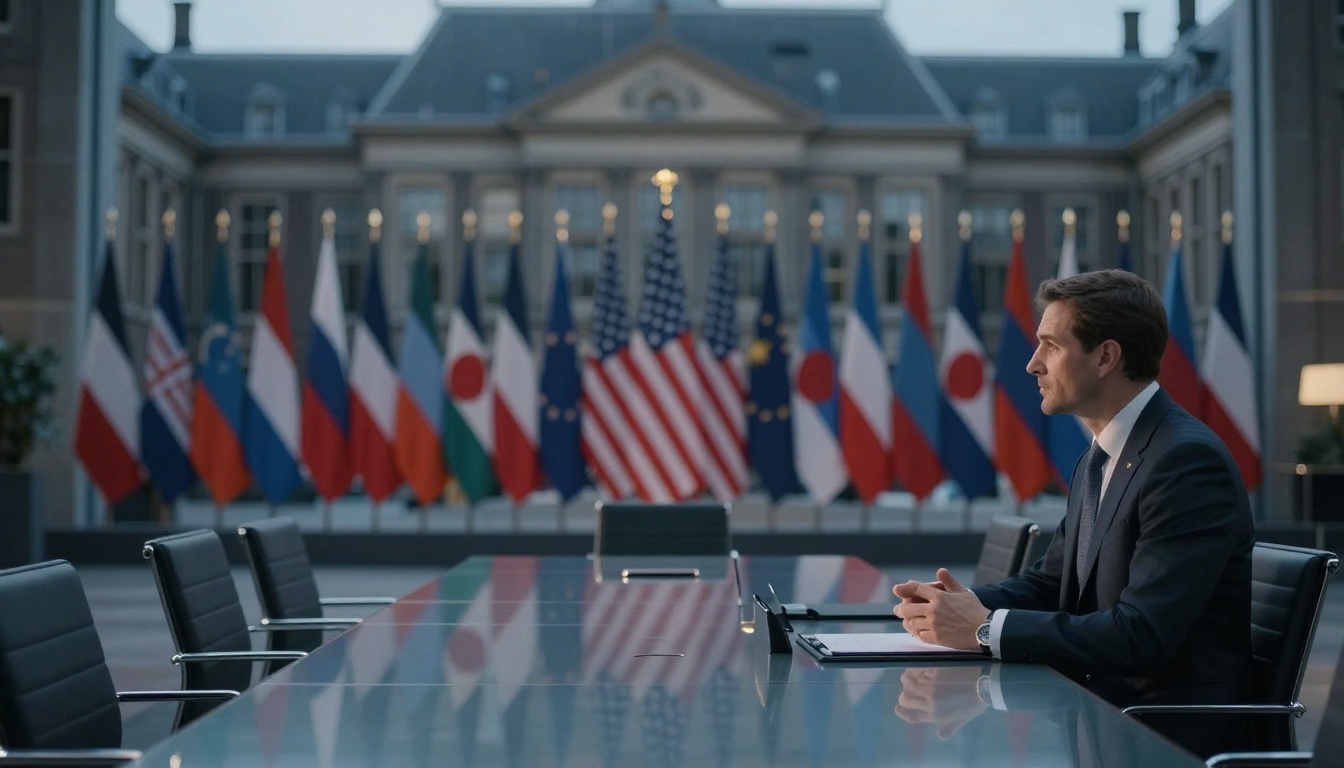
Picture this: NATO leaders gather in The Hague for the 2025 summit. Tension fills the air as Donald Trump demands allies commit to 5% of GDP on defence by 2035, a steep climb from the old 2% mark. It’s a bold push under his America First policy, where the US insists partners shoulder more of the load for their own protection. This approach prioritises US interests first, from trade deals to buying American weapons.
For those new to NATO, it’s a pact of 32 nations bound by Article 5: an attack on one is an attack on all. The US foots most of the bill, but Trump sees that as unfair. Tensions simmer over threats to Greenland and mixed European reactions. Ally approval for the US has dipped to 21%, per recent polls. This article maps NATO’s path ahead. We’ll examine Trump’s wins on spending, the Greenland rift, Europe’s response, and three likely futures. All based on fresh 2026 updates from the Trump administration.
Trump’s Bold Moves Reshape NATO’s Defence Commitments
Donald Trump has forced a sea change in NATO. He credits himself for lifting the defence spending target to 5% of GDP by 2035, a goal past presidents chased since Eisenhower without success. Figures like Steve Witkoff, Jared Kushner, and Marco Rubio lead the charge in talks. Now, all 32 members hit 2% and aim higher. This balances the books: US spending matches Europe’s at last.
Imagine stronger NATO troops lining Russia’s border. More joint exercises rumble across fields. The US snaps up European kit like F-35 jets, boosting both sides. Trump views NATO as a bad deal unless allies pay up. His team calls it transactional: spend more, buy American, align on trade. White House notes stress direct gains for US workers. NATO grows teeth against threats from Russia and beyond.
The 2025 Hague Summit Breakthrough
The Hague summit sealed the deal in June 2025. NATO chief Mark Rutte hailed Trump openly. “Without President Trump, we would not have taken those decisions,” Rutte said. Allies pledged the 5% path amid cheers and handshakes.
Approval ratings slid, yet no one eyes a US substitute. Europe ramps up missile shields and Ukraine aid. Poland and the Baltics pour cash into tanks and drones. It’s a pivot from US dominance.
Pressure Tactics and Ongoing Diplomacy
Trump mixes sticks with carrots. He chats with Russia and Ukraine on peace, but keeps US boots in NATO for now. Bases in Germany and Italy secure influence. Intel flows freely.
Allies feel the squeeze. Buy F-35s or face tariffs. Yet diplomacy holds: no full pullout yet. Trump stays engaged, eyes on China too. NATO bends but doesn’t break.
Greenland Tensions Threaten NATO’s Core Trust
Trump’s fixation on Greenland shakes the alliance to its roots. He pushes to annex the Danish territory, refuses to rule out a US exit from NATO if Denmark says no. He even calls for NATO aid in the grab. Picture icy fjords under dispute, vital for Arctic routes and missiles.
Denmark’s PM Mette Frederiksen fires back: a US move would trigger Article 5 against America itself. “It would end NATO,” she warns. Trust cracks form. Russia watches, smirks at the split. China eyes mineral riches. Deterrence wobbles if allies doubt US vows. Worst case? Force shatters the pact, invites chaos.
For details on Trump’s options, see this BBC breakdown of how he might pursue Greenland. Stakes rise in the thawing north, where subs prowl and satellites spy.
Denmark’s Firm Stand and Article 5 Doubts
Frederiksen stands rock-solid. Experts flag legal walls to a US NATO exit: Congress must approve. Still, threats erode faith in the mutual defence core.
One lawmaker pushes the “NO NATO for Purchase Act” to block taxpayer funds for buys. Congressmen call invasion talk a NATO killer. Fragile bonds strain under the weight.
Europe Steps Up as US Demands Grow
Europe grabs the reins amid US pressure. Troops swell on Russia’s flank. Nations like Germany and France snap up US arms. Forward bases dot the east. Rutte praises Trump while allies gripe.
Approval dips, but spending climbs. No quick US quit seems likely; America gains bases, markets, sway. Picture vast exercises in Estonia: tanks roll, jets scream. New missile domes guard skies. Ukraine gets steady arms flows.
Europe eyes self-reliance. UK boosts ships; Poland builds factories. The alliance hardens, less reliant on one big brother. Al Jazeera analysis notes why Europe might compromise on Greenland minerals to ease rows.
From 2% to 5%: A New Defence Reality
The jump to 5% steels NATO against foes. By 2035, budgets balloon for drones, cyber shields, subs. Rutte ties it to threats, not just Trump. Europe matches US outlays, shares the watch.
Poland nears 4% already. It’s a tougher bloc, ready for hybrid wars or invasions.
Three Clear Paths for NATO’s Tomorrow
NATO faces forks in the road. First path: tensions boil. Article 5 doubts weaken resolve; foes test borders. Russia probes Baltics, deterrence fades.
Second: no US exit, but friction grinds. Spending rises, forces modernise. Alliance endures, prickly but potent.
Third, the prize: Trump dives in. Allies hit 5%, buy big. NATO echoes post-9/11 unity, stares down threats. Pros? Stronger shield. Cons? Soured trust lingers.
Watch pledges at next summits, Greenland deals, Ukraine truce. Which way bends? CEPS outlines Greenland grabs’ NATO fallout. What do you reckon will unfold?
Conclusion
NATO shifts under America First: spending soars to 5%, Greenland risks expose cracks, Europe digs in with resolve. The pact holds value despite pulls; full US flight looks remote given gains.
NATO adapts, stays key to peace. Follow CurratedBrief for geopolitics updates. Share your take below: can the alliance thrive? Thanks for reading; brighter days lie ahead if all pull weight.
(Word count: 1492)