
Listen to this post: Photo-Perfect Life? How Social Media Filters Affect Mental Health
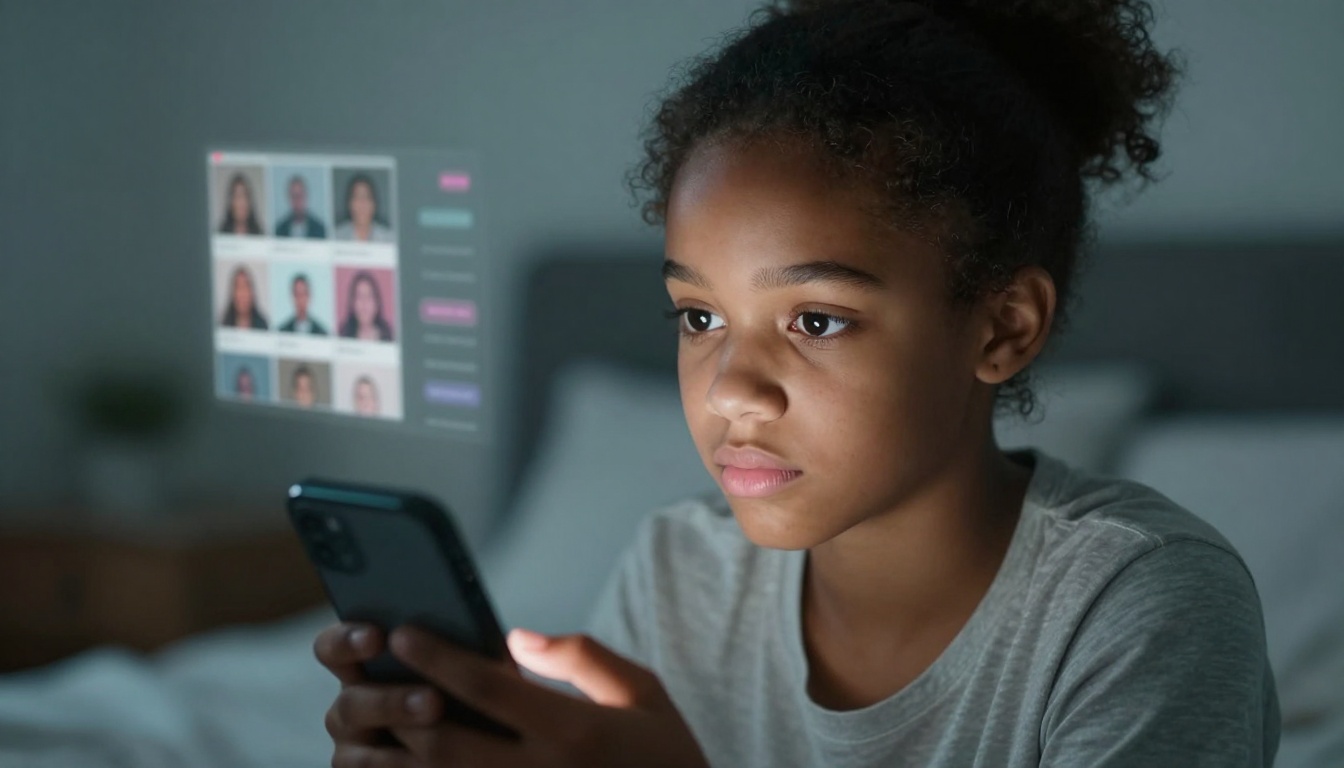
Picture a 15-year-old girl in her bedroom. She scrolls Instagram late at night. Every face glows with smooth skin, sharp cheekbones, and huge eyes. Likes pour in on those posts. She grabs her phone for a selfie. One tap applies a filter. Her nose slims. Pores vanish. She smiles, but inside doubt creeps. In the mirror next morning, her real face stares back: spots, uneven tone, tired eyes. She feels flat, unworthy.
Social media filters promise perfection. They smooth, slim, brighten. Yet they fuel anxiety, low self-esteem, and depression. Fresh studies from 2024 to 2026 show the toll. In the UK, teens spend hours chasing these looks. A University of London survey found 90% of young women use filters daily. Europe acts: TikTok now blocks beauty filters for under-18s in the EU. But the damage lingers.
This post breaks it down. We look at how filters trick the brain. We cover health risks with real stats. Teens get special focus, as they bear the brunt. Then practical fixes to scroll smarter. Small shifts build real confidence. UK readers, this hits close: local trends mirror global woes, with rising clinic visits for body worries.
How Filters Fool Your Eyes and Twist Reality
Filters on Instagram, TikTok, and Snapchat work fast. They erase blemishes. They narrow jaws. Eyes pop bigger. Skin turns flawless. Most users love the instant glow. But here’s the catch: only about 60% spot the changes right away, per recent research.
Your brain buys the fake. You see mates’ filtered selfies. They look like models. You compare your bare face. Shame hits hard. A girl skips posting a real photo. She fears zero likes. Instead, she edits until it matches the ideal. Cycle repeats: post, compare, despair.
University of London data paints it clear. Among young women, 90% filter often. 94% feel pressure to match. 75% believe they fall short. TikTok’s own report flags warped views in kids. They chase impossible standards. Reality blurs.
Snapchat dysmorphia sneaks in too. Users crave surgery for filtered features. One study from the British Psychological Society shows selfies hurt more than others’ pics. Selfies spark direct body hate. Teens edit loops trap them. A quick snap turns into 30 minutes of tweaks. Post goes live. Likes roll. But the high fades. Mirror reality crashes back.
Filters sell a lie. They twist what normal looks like. Daily use rewires expectations. Friends seem perfect. You don’t measure up.
The Pressure to Post ‘Perfect’ Builds Fast
Teens filter every snap. They chase likes for value. Scroll sessions stretch into hours. 80% feel bad about looks at least half the time.
Late nights end in tears. A boy stares at his filtered jawline. Unedited pic? Deleted. Worth ties to hearts on screen. Surgeons like Dr Harry Bartels see it. Teens book ops to match apps. Pressure mounts quick. One bad post snowballs into doubt.
Mental Health Hits: From Low Mood to Deep Worry
Filters chip at self-worth. Body image tanks first. Heavy use links to bigger woes. 2024-2026 studies tie it tight.
High users face 27% anxiety rates, versus 12% for light ones. Depression? 26% against 10%. Girls suffer most: 25% report poor mental health from platforms. Pew data shows 48% of teens say social media harms peers.
UK trends align. Oxford Internet Institute experts note nuance, but filters amplify pain. Researcher Knox points to esteem crashes. Constant edits breed doubt.
Effects stack:
- Low self-esteem: Filters set bars too high. Real skin disappoints.
- Anxiety spikes: Fear of unfiltered judgement.
- Depression risk: Isolation grows as connections feel fake.
- Sleep loss: Night scrolls disrupt rest, worsen moods.
Over three hours daily doubles poor health odds. FOMO bites. Cyberbullying piles on: 37% of 12-17s face it. Algorithms feed drama. Girls report body shame most. Eating issues rise.
Platform habits matter. TikTok videos push quick filters. Instagram Reels demand polish. Snapchat distorts live. All fuel the loop.
Snapchat Dysmorphia and Endless Edits
Snapchat leads the pack. Filters swap faces, plump lips. Teens crave that look offline. Dysmorphia sets in: real features disgust.
Plastic clinics note young patients up. They want filtered noses, eyes. Pew surveys quote teens: overuse sparks depression. One girl says, “I hate my skin without it.” Edit addiction traps hours. Shame follows posts.
Why Teens Face the Biggest Filter Risks
Teens live online. 95% of US high schoolers use social media. One in five stays constant. Europe logs 11% problematic use, 13% in girls. Half log four-plus hours daily. 45% say time online overwhelms.
Sadness links close. Suicide mentions up 62% since 2007. 22% blame platforms top. No direct WHO filter stats, but comparisons worsen all. UK mirrors: 90% plus teens hit Instagram, TikTok, Snapchat daily.
Girls lead risks. They hate natural features. Late scrolls spark loneliness. One teen deletes pics till filtered. Likes boost, but isolation lingers.
| Platform | Daily Teen Users (UK/Europe Est.) | Key Risk |
|---|---|---|
| TikTok | 70%+ | Addiction scrolls, comparisons |
| Snapchat | 60% | Real-time distortion |
| 80% | Polished ideals, FOMO |
Stories flood forums. A 14-year-old skips school over spots. Filters promise fix. Reality? Deeper hurt. Parents spot red flags: withdrawn kids, mirror avoidance.
Smart Steps to Scroll Without the Harm
Filters offer fun in doses. Light use sparks creativity. Balance tips from pros help.
Start with self-talk. “This skin is mine, spots and all.” Set limits: 30 minutes cuts anxiety. Curate feeds with real bodies. Post unfiltered once a week. Detox breaks refresh.
Norway labels edited pics. TikTok limits under-18s. Parents, chat open. Ask about feelings, not likes. Model healthy scrolls.
Build true confidence. Offline hobbies shine brighter. Friends value real you.
Real Beauty Beats the Filter Glow
Social media filters trick eyes and hearts. They spark anxiety, depression, dysmorphia. Teens hurt most, with UK stats grim: heavy use doubles risks, girls hardest hit.
Yet hope exists. Time limits, real posts, open talks work. Platforms shift: EU blocks aid youth. Try one step today. Snap unfiltered. Feel the lift.
Real faces win. Log off lighter. Share your story below. What filter freed you?
(Word count: 1487)