
Listen to this post: Using Fitness Apps Without Becoming Obsessed: Healthy Tech Habits
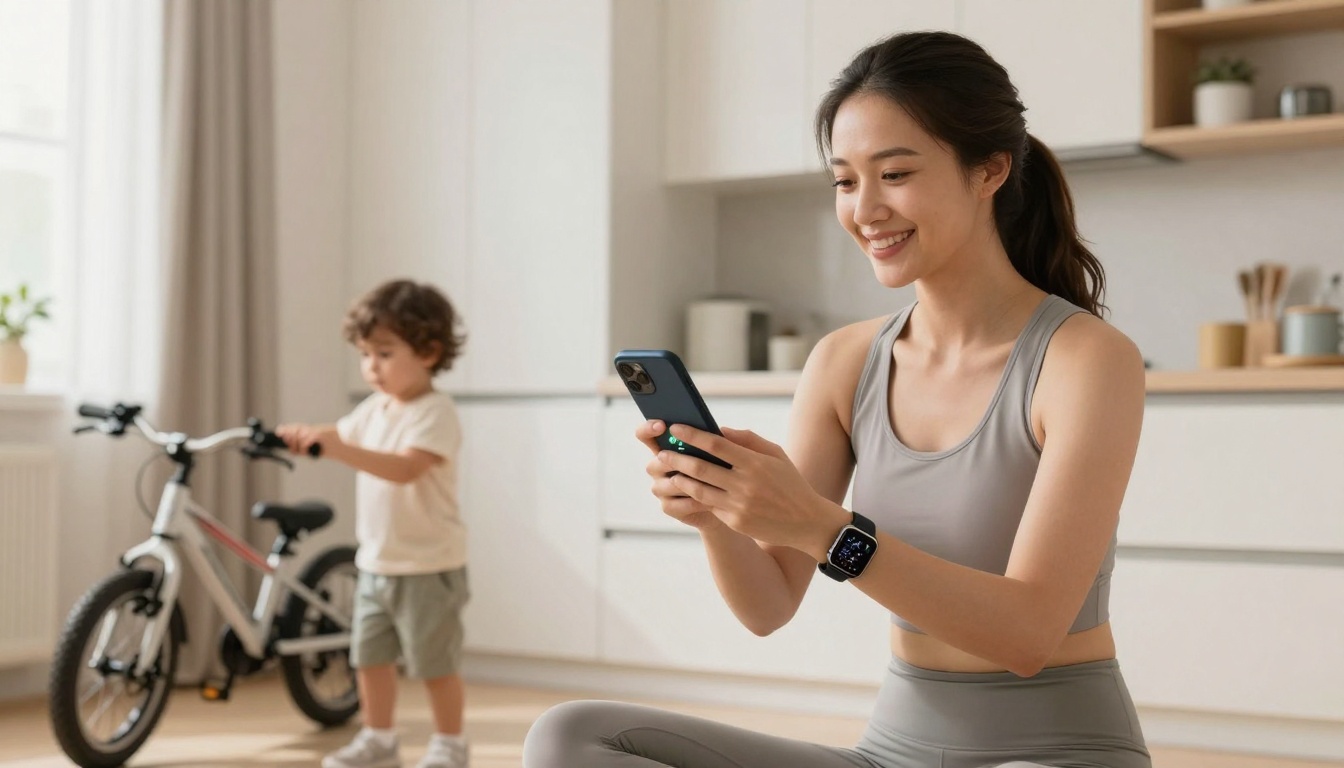
Picture Sarah, a busy mum in her thirties. She downloads a fitness app to squeeze in walks around the school run. At first, the step counts cheer her on. Badges pop up. Friends cheer in comments. But soon, notifications buzz non-stop. A missed day brings guilt. Her mood sours if steps dip below 10,000. She skips family dinners to hit targets. Sound familiar? In 2026, apps like Strava and MyFitnessPal dominate with AI coaching and wearable links. Recovery scores guide rest. Social shares spark motivation. Yet, fitness apps can tip into obsession. UK data shows 34% of adults aged 25 to 49 now use trackers, up sharply. Market growth hits 13.9% yearly. You can reap benefits without the trap. This guide spots risks, picks wise tools, and builds healthy tech habits. Ahead, learn signs to watch, apps that fit real life, and routines that keep joy in movement.
Spot the Early Signs of App Obsession
Fitness apps promise progress. They count steps, log meals, track heart rates. But subtle shifts signal trouble. You check the screen first thing in the morning. Or skip a rest day because recovery dips low. Studies flag these as red flags. About 3% of regular exercisers risk addiction. Athletes face higher odds. In one analysis, 48% link overuse to depression or eating struggles. Flinders University research ties apps to body worries and guilt.
Consider Tom, a runner glued to Strava. He feels shame when mates log faster times. Social feeds breed comparison. Self-worth ties to stats. Apps boil health to numbers: calories in, steps out. This sparks demotivation. A UCL study of thousands of posts found shame and low mood common. Users quit exercise from pressure. In the UK, 1 in 8 adults battles behavioural addictions like app fixation. High phone time cuts steps by 38%.
Ask yourself: Do I feel anxious without my tracker? Does a bad sleep score ruin my day? Do I push through pain for a streak? These point to imbalance. Early catch prevents burnout. Track how apps affect your mood. Note wins, but flag stress.
How Numbers Turn into Pressure
Data overwhelms fast. Heart rate variability drops? Panic sets in. Calories exceed? Guilt follows. Apps gamify life, but streaks turn rigid. Studies show users quit gyms from app shame. One report notes demotivation in half of heavy trackers. Yet, balanced use adds 1,000 to 2,000 steps daily. Contrast helps: view numbers as hints, not judges. Apps shine when they nudge gently.
Pick Apps That Support You, Not Stress You
Choose tools that match your pace. In 2026, standouts include Strava for run chats, MyFitnessPal for meal scans, Peloton for guided rides, JEFIT for lift plans, and Oura for sleep insights. Limit to two or four max. One for steps, one for strength. Overload breeds chaos. AI plans adapt workouts, but mute pings. Free versions test fit.
Strava builds community without solo grind. Share routes, not rivalries. MyFitnessPal scans barcodes quick. No endless logs. Peloton streams classes for home bikes. JEFIT logs sets simply. Oura rings track recovery sans wrist bulk. Wear on non-dominant arm for true reads. Set real goals: 30-minute walks, not marathons.
Start free. Input honest weight, age. Apps guess wrong otherwise. Busy parents love short Peloton bursts. Office workers pick Strava segments near desks. Trends show AI wearables boom, but mental health workouts rise too. NDTV covers 2026 shifts. Pick what sparks joy, skips stress.
Match Apps to Your Real Goals
Customise smart. Enter true height, activity level. Track steps and sleep only. Skip mood logs or water tallies. Link Strava to Oura for seamless data. Ditch extras like leaderboards. Set weekly views, not hourly. Apps serve you when tailored.
Simple Habits for Balanced Tech Use
Apps guide; they don’t rule. Treat them like a map, not a whip. Focus on steady effort over perfect scores. Charge your watch overnight. Glance once evening. Body whispers when tired. Listen over algorithms. Picture a walk in crisp air, phone pocketed. Feel strides, not buzzes. As you plan your next steps in productivity, consider the best notetaking apps for 2026 that will enhance your workflow. Look for tools that combine simplicity with powerful features to encourage creativity without distraction. Remember, the best app is one that aligns with your unique style, helping you capture thoughts effortlessly.
Use data for clues. Low energy? Rest. High steps? Smile. Strava challenges amuse without envy. Disable streaks. UK’s gym crowd grows 2%, but injuries rise from overpush. Apps fixate on green bars, ignore rest. Prioritise sleep; trackers prove its power.
What if you trusted hunches more? Log fun runs, not every jog. Take screen-free days weekly. Enjoy park games sans counts. Long-term, balance boosts sleep and mood. One study links trackers to poor rest if obsessed. Shift to feel-good metrics. Walk with mates. Dance alone. Tech enhances when secondary.
Routines stick with ease. Evening review cements wins. Morning sets intent sans pressure. Fun keeps you coming back. Obsession fades; health thrives.
Set Boundaries That Stick
Limit checks to breakfast and bedtime. Mute all alerts. Wear tracker loose some days. Auto-sync data; no manual fuss. Treat logging like teeth brushing: quick, done. Apps fade to background helpers.
In sum, spot obsession early, choose fitting apps, and weave smart habits. Risks like anxiety hit 1 in 8, but balance wins. Start small: mute one notification today. Note your mood shift. Tech boosts fitness when tamed. Imagine vibrant energy, no chains. True wellbeing flows from freedom, not figures. Grab that walk now. How will you feel tomorrow? digital detox strategies for phone lovers can further enhance this journey. Consider setting aside specific times for checking your device to create a healthier routine. Engaging in hobbies and connecting with loved ones without screens can also foster a sense of fulfillment and joy.