
Listen to this post: How Wars and Conflicts Far Away Show Up in Your Grocery Bill
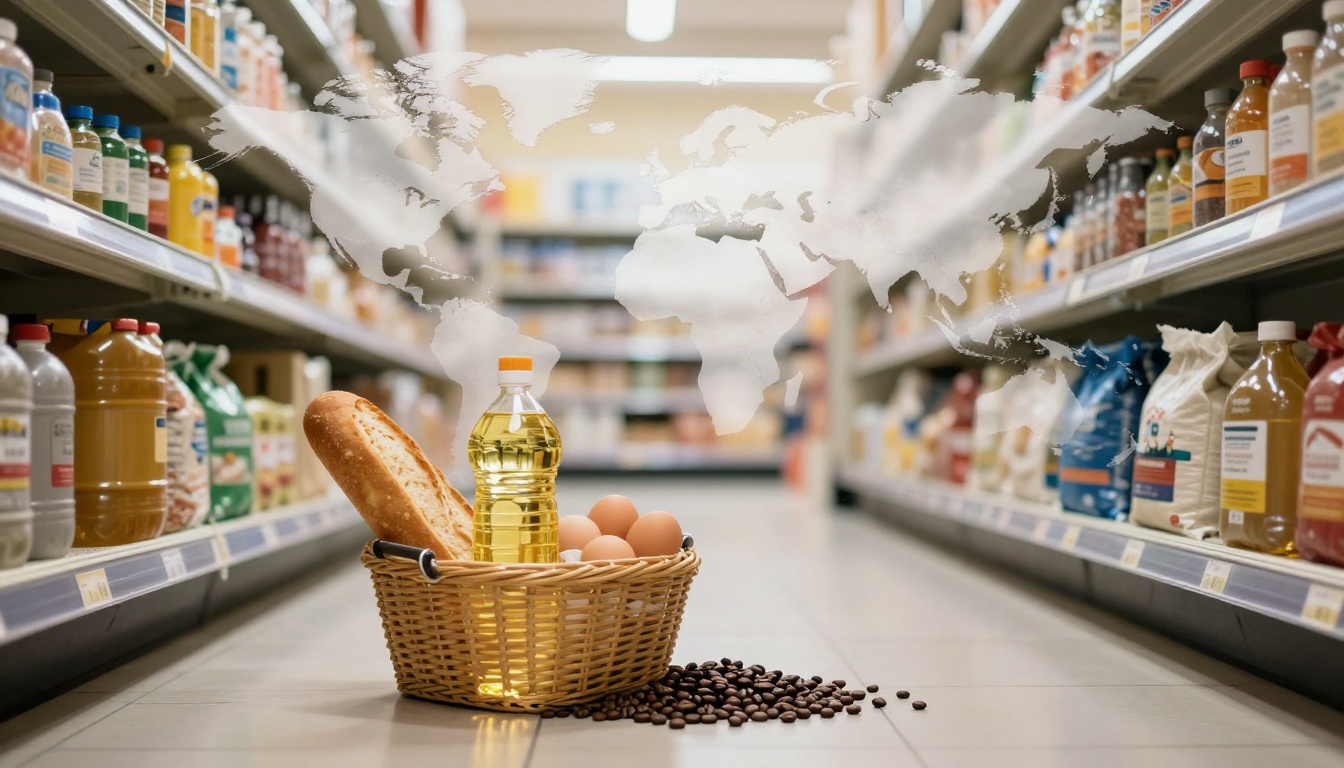
You’re standing by the bread, cooking oil, eggs, and coffee, doing that quick mental tally you didn’t ask for. The basket looks normal. The total doesn’t. It’s tempting to blame “greedy shops” or “bad luck”, but your grocery bill often carries fingerprints from places you’ve never been.
Wars and conflicts raise food prices through a chain of costs that starts long before anything reaches a shelf. Crops need fertiliser. Farms need fuel. Factories need power. Ships need safe routes. Insurers charge more when waters aren’t safe. Traders build in extra “just in case” costs when supplies might vanish overnight.
And it’s rarely one single hit. It’s a stack: weaker supply, higher energy, pricier fertiliser, disrupted shipping, and wider risk. By the time you tap your card, those distant shocks have been absorbed and passed on, step by step, into the price of basics.
The hidden journey from a battlefield to a supermarket shelf
Most of us picture food prices as a straight line: farmer grows it, supermarket sells it. In reality, it’s more like a relay race, with lots of handovers. When conflict interrupts even one handover, the whole team slows down, and the bill goes up.
Here’s the chain in plain terms:
- Inputs: seed, animal feed, fertiliser, pesticides, water, machinery parts
- Energy: diesel for tractors, electricity for cold storage, gas for food processing
- Processing: mills, dairies, bakeries, canneries, packaging plants
- Packaging: plastics, cardboard, glass, labels, inks
- Transport: lorries, rail, ports, ships, and distribution centres
- Retail: staff, refrigeration, rent, security, waste, and all the “back room” costs
Now add conflict. A war can shut ports, damage rail lines, or make a region too risky to trade with. Sanctions can restrict supplies of oil, fertiliser, metals, or spare parts. Even when goods still move, they often move slower and cost more because insurers raise premiums and shippers reroute.
A simple example helps. Think about a loaf of bread.
A loaf starts with wheat. Wheat needs fertiliser and diesel. If a major exporting region is disrupted, global wheat supply tightens. Buyers compete harder, so the wholesale price rises. Mills pay more for grain and more for energy to run the machinery. Bakeries pay more for flour, more for electricity and gas, more for packaging, and more for transport. Shops then pay more to bring the loaves in, and they also pay more to keep them fresh under lights and chillers.
By the end of that chain, a higher wheat price becomes a higher loaf price, even if the bread was baked in the UK. It’s not magic. It’s a queue of invoices.
Recent shocks have made that chain feel painfully real. Ongoing disruption linked to the Russia-Ukraine war has affected Black Sea trade and key commodities, keeping pressure on wheat, oil, fertiliser, and shipping costs into 2025 and early 2026. UK households see the result as stubborn food inflation, tracked month by month in resources like the Food Foundation’s Food Prices Tracker.
Energy prices: why conflict hits food before you even eat
Food is made of calories, but it’s priced with energy.
Even when a conflict is thousands of miles away, energy markets react fast. Traders price in risk, and fuel costs ripple through almost every part of the food system. The same lorry that carries cereal also carries milk. The same refrigerated warehouse stores berries, meat, and ready meals.
Energy shows up in places you don’t always notice:
Farms: tractors, irrigation pumps, heated barns, grain dryers
Factories: ovens, pasteurisers, freezers, bottling lines
Transport: diesel, tyres, maintenance, and driver costs
Shops: refrigeration and lighting that run all day, every day
When energy costs rise, companies can’t just “absorb” it forever. They either cut output, reduce range, shrink pack sizes, or raise prices. The effect is often uneven. Items that are heavy, chilled, or processed usually feel it more. A bag of apples can travel relatively simply. A frozen pizza has a long chain of ingredients, processing, and cold storage.
This is why oil shocks can push up the cost of food even when harvests are fine. A war that threatens oil supply, or makes fuel supply feel uncertain, can lift transport and production costs across the board. That’s one reason food inflation can stay high even when other prices cool.
For a business-facing view of how these pressures can stick, the Food & Drink Federation inflation outlook report lays out how energy and other cost drivers feed through to UK food and drink prices.
Fertiliser and animal feed: the quiet maths behind higher meat, milk, and eggs
If you want to understand why eggs, milk, and meat can jump in price, follow the feed bag.
Animals don’t run on goodwill. They run on grain, soya, and other feeds that are traded globally. When war disrupts grain exports, or raises fertiliser and fuel costs, animal feed gets more expensive. Farmers then face a brutal equation: pay more to feed animals, or reduce herd and flock sizes. Either choice can mean less supply, which tends to lift prices.
Fertiliser is the other silent force. Modern farming depends on nitrogen fertilisers, which are closely tied to gas and global supply chains. When supplies tighten or prices rise, farmers may use less, switch crops, or accept lower yields. Lower yield doesn’t always mean empty shelves, but it often means higher per-unit cost, and that cost travels.
This is one reason conflict linked to major commodity exporters matters. Russia is a significant fertiliser supplier, and war conditions, sanctions, and shipping risk can all restrict the flow or increase the price. Ukraine is also a major agricultural producer and exporter, so disruption there affects global markets for staples used in bread, pasta, and animal feed.
There’s another detail people miss: farming decisions happen months in advance. A fertiliser price spike in winter can change planting choices for spring. A feed price rise can change livestock numbers for the whole year. Prices at the till can lag behind the headline news, then stay high long after the headlines fade.
If you want a wider consumer-friendly summary of how food inflation has built up over recent years, Where’s the Beef: grocery bill keeps rising gives a useful overview of the forces that keep the weekly shop expensive.
Shipping routes and insurance: the “risk premium” added to everyday food
You don’t have to live near a war to pay for it. You just have to rely on trade.
When a sea route becomes dangerous, ships may avoid it, sail in convoys, or reroute entirely. Rerouting sounds simple until you remember that time is money. A longer route burns more fuel, ties up ships for longer, and creates knock-on delays at ports and warehouses. Those delays can mean higher costs, and for fresh food, higher waste.
Then there’s insurance. In calmer times, shipping insurance is boring. In conflict-adjacent waters, it becomes expensive and unpredictable. Insurers charge more to cover the risk of damage, seizure, or disruption. That extra cost gets added to freight rates, which importers pay, and shoppers eventually cover.
It’s not only about the goods coming directly from a conflict zone. Many UK staples and ingredients pass through international chokepoints. If a key route is disrupted, it can affect everything from coffee to rice to tinned tomatoes, even when the produce itself is grown far away.
The recent pattern of attacks and tension affecting shipping lanes has been closely watched by UK food businesses. IGD’s briefing on Red Sea attacks and UK grocery implications explains how rerouting and freight costs can filter into retail operations.
One more layer: companies often add a cushion when risk rises. They may hold more stock “just in case”, lock in higher-priced contracts to guarantee supply, or pay extra for alternative suppliers. That cushion is a form of self-defence, but it still shows up in prices.
Why prices don’t drop as fast as they rise
When prices spike after a shock, shoppers expect them to fall back once the news cycle moves on. Sometimes they do. Often they don’t, or not quickly.
There are a few reasons:
Contracts move slowly: supermarkets and suppliers buy through forward contracts. Today’s shelf price can reflect last month’s deal, or last quarter’s fuel rate.
Costs stack up: even if wheat falls, energy, packaging, labour, and transport may stay high.
Rebuilding takes time: ports, farms, and factories can’t be repaired overnight. Shipping schedules and inventories take months to normalise.
Risk lingers: if a conflict remains unresolved, companies keep paying for insurance and contingency plans.
Policy changes can add pressure too. In the UK, supermarkets have warned that higher sector taxes could push food prices up further. The BBC covered those concerns in supermarkets’ warning on potential tax rises and food prices. That’s not “war-driven” on its own, but it interacts with the same tight margins and fragile supply chains that conflicts already strain.
This is why your grocery bill can feel “sticky”. Prices climb like a lift, but come down like stairs.
What you can do without living on beans and panic
You can’t control global conflict, but you can reduce how much volatility hits your household.
Start with small moves that don’t rely on perfect timing:
- Treat brands as optional: when staples jump, switching to own-brand can cushion the rise without changing meals much.
- Cook once, eat twice: batch meals cut energy use and reduce waste, which matters when both food and fuel cost more.
- Watch “conflict-sensitive” items: bread, pasta, cooking oil, coffee, and some meats often react faster to global shocks because of grain, fuel, and shipping exposure.
- Use the freezer like insurance: buying an extra pack when something is on offer (not clearing the shelf) helps smooth week-to-week spikes.
- Reduce waste first: the cheapest food is the food you already paid for. A quick “use-first” box in the fridge can save more than coupon chasing.
If the wider cost-of-living picture is squeezing your budget, it can help to read broader guidance that links household strain to rising essentials, such as how the cost-of-living crisis is affecting UK households.
Conclusion: your checkout total is a map of the world
That shock at the till isn’t just about one product, one company, or one bad week. It’s a chain reaction: conflict raises risk, risk raises costs, and costs travel through fuel, fertiliser, shipping, and supply into the food you buy.
The useful shift is this: instead of seeing higher prices as random, see them as signals. Signals of strained routes, pricier energy, tighter harvests, and businesses paying more to keep shelves stocked. The next time the total jumps, you’ll have a clearer idea of where the pressure likely started, and what might make it ease.