
Listen to this post: Why the Next Decade Belongs to Small, Scrappy, Boring-Business Owners
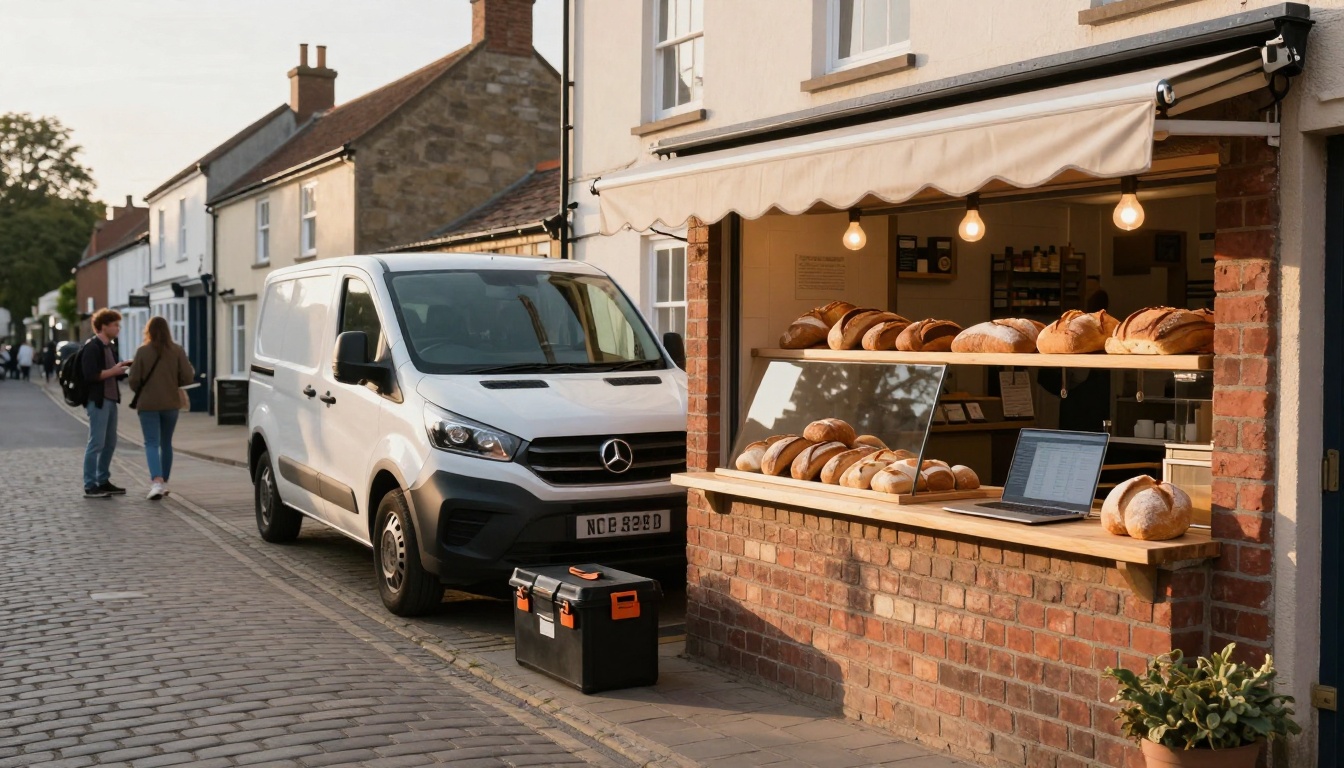
Picture this: in a quiet street of Manchester, Tom the plumber fixes leaks for neighbours while the flashy national chain down the road lays off staff. Or Sarah, who bakes bread in her tiny shop in Bristol, outsells the supermarket’s shelves with fresh loaves sold via Instagram. These aren’t glamorous tales from Silicon Valley. They show real grit at work.
From 2026 to 2036, small, scrappy owners of everyday businesses will take the lead. Big firms stumble in slow growth. These owners thrive on tight budgets, cheap tools, deep customer knowledge, and smart online moves. Think modest GDP forecasts at 2.2% for the US and 0.9% to 1.5% for the UK. They favour lean setups. Over half of small firms now use AI, up sharply from last year. Local trust seals the deal. Quiet wins beat loud flops every time.
Tough Economies Reward the Lean and Quick
Slow growth hits giants first. Large companies face high fixed costs like rents and salaries. They cut deep when sales dip. Small outfits dodge that trap. They run on shoestring budgets from day one.
In 2026, US GDP eyes 2.2% growth, driven by tax cuts and lower rates. The UK lags at 0.9% to 1.5%, squeezed by spending cuts and taxes. Big firms freeze hires. Small ones push ahead. About 41% of them plan growth, adding staff and stock despite no boom.
Owners pivot fast. A neighbourhood repair shop in Leeds swaps services based on weekly chats. No board meetings slow them down. Corporations take months to shift. Small teams act in days.
OECD reports highlight this edge. Small firms adapt quicker in downturns. They trim waste without panic. One owner told me he bartered tools with suppliers during tough months. His rival chain closed three branches.
These operators spot chances others miss. Low growth means customers hunt value. They deliver it cheap and personal. No middle managers dilute the focus.
Lean means quick. Picture a storm hits supply chains. Big suppliers delay weeks. Your local owner grabs stock from the next town overnight. Customers remember that speed.
Why Cost Control Feels Like a Superpower
Small firms treat cash like gold. They track every pound. Outsourcing handles extras like accounting. Tight budgets build muscle.
In shaky times, they stay steady. SaaS tools cost pennies. One person juggles tasks that once needed five. Stats show sharp financial habits pay off. Firms with strict flows survive recessions twice as long.
Calm heads win. While chains slash jobs, these owners renegotiate rents or drop slow lines. Resilience turns pressure into power.
Cheap Tech Levels the Fight for Everyone
Tools once priced for corporates now fit pockets. AI and no-code platforms slash costs by 70% to 95%. Solo traders match teams.
Over 58% of small businesses use generative AI, doubled from 23% last year. Another 82% hired more after starting. Routine jobs vanish. Owners focus on fresh ideas.
For deeper stats on AI stats every business must know in 2026, check this breakdown. Numbers show fast uptake.
A home baker in Glasgow films quick clips. TikTok turns views into sales. No ad budget needed. She ships nationwide.
MSMEs shift roles. Tech runs ops. Humans design and test. One-person bands boom. Tools like chatbots answer queries round the clock.
Big firms buy pricey suites. Small ones stack free apps. Zapier links them seamless. Costs drop. Output soars.
Creativity flows free. An owner builds a site in hours. No coders hired. Customers book direct.
Solo Power from Digital Shortcuts
SaaS and AI pack team power into one laptop. Grunt work fades. Owners chase bold moves.
Picture invoices auto-sent, stock tracked by bots. Time frees for market chats or new flavours. Creativity surges as tech grinds basics.
One trader said AI drafts posts. He tweaks for voice. Sales jumped 40%. Solos scale without burnout.
Local Bonds and Online Wins Build Real Loyalty
Customers crave faces they know. 92% of small firms bet on local growth. Trust runs deep.
Owners grasp needs cold. Data from chats shapes stock. 73% run sites. Social sells cheap. 51% of US firms sell online. UK follows close.
Boring items shine. Candles from a shed go viral on Reels. Niche hooks fans.
Big brands lack that spark. They chase mass. Small ones nurture tribes.
For trends on AI powering small business growth in 2026, this report nails it. Skills match tools to needs.
A Birmingham cycle shop knows riders’ quirks. Custom fixes beat chain blandness. Online orders mix local pride.
Virals start small. One post snowballs. No millions spent.
How Partnerships Open Big Doors
Giants need speed and local wits. They tap small firms for that. Not everything in-house.
Deals flow. A supplier links to shelves. Revenue jumps. Small stays nimble. Big gets edge.
The Decade of Quiet Takeovers
Small, scrappy owners of boring businesses claim the 2026 to 2036 crown. Tough economies suit their lean ways. Cheap tech arms solos. Local ties and online smarts forge loyalty. Partnerships unlock scales.
Imagine high streets alive with thriving shops. Giants shrink to niches. Plumbers like Tom fix real woes. Bakers like Sarah feed communities.
Spot these winners nearby. Or start one. Check your local high street. Simple fixes beat complex plans.
Real problems need hands-on grit. The future smiles on those who deliver. What’s your bet?