
Listen to this post: Shipping Emissions: New 2026 Rules and the Real Cost of Going Green
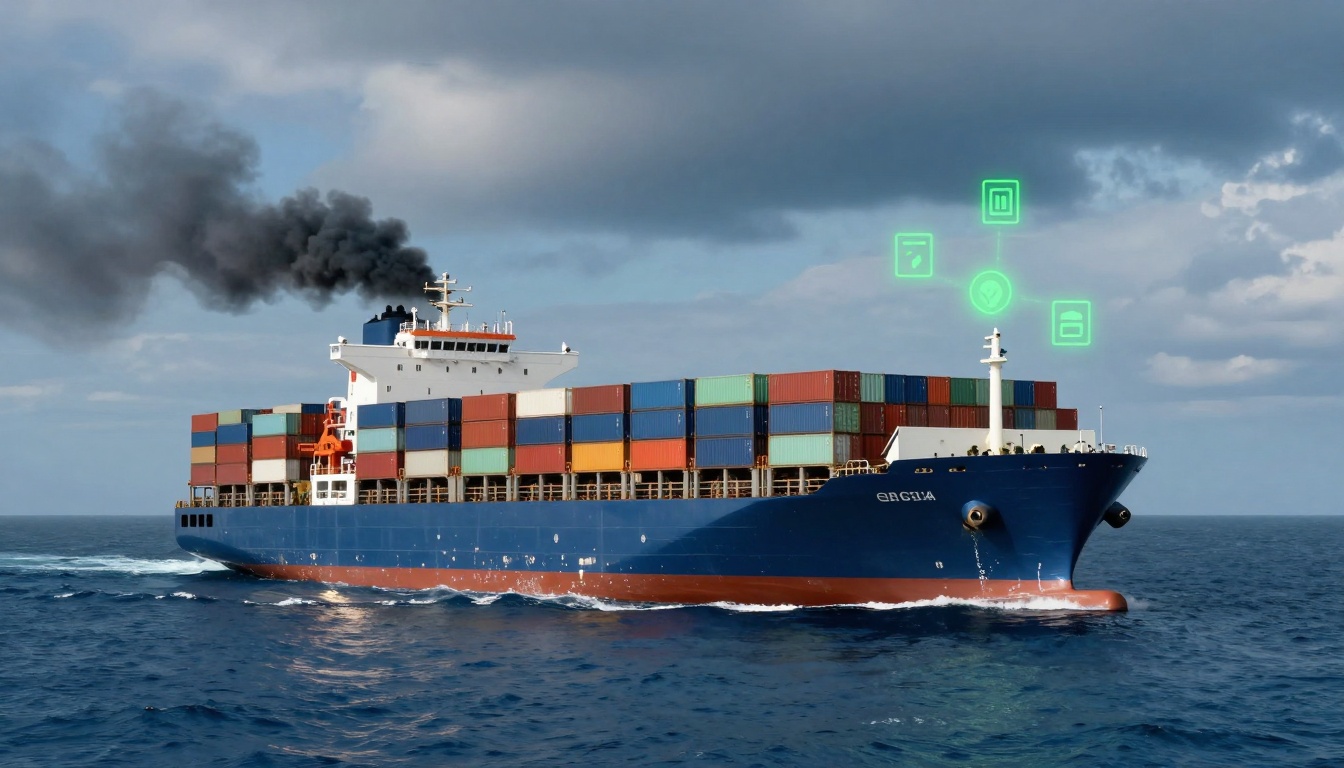
Picture a container ship slicing through the waves, its deck stacked high with boxes from every corner of the world. This floating city hauls 90% of global trade, yet it guzzles heavy fuel oil that pumps out thick clouds of shipping emissions. Pressure mounts as regulators clamp down. From January 2026, rules hit harder, forcing owners to cut pollution or pay steep prices.
This guide breaks it down plain and simple. You’ll learn what ships spew into the air and why fixes aren’t quick swaps. Next, track the key rules rolling out through 2028, from EU demands to global IMO plans. Finally, see the true costs of green shifts and who foots the bill. Rules stack up fast; get ahead before rates climb.
What Ships Emit, and Why Cutting It Isn’t as Simple as Swapping Fuel
Ships burn heavy fuel oil, a thick sludge left after refining petrol and diesel. This stuff packs energy for long hauls across oceans. One large vessel can match the yearly output of thousands of cars. Main culprit? Carbon dioxide from combustion, the gas trapping heat in our atmosphere.
But it’s not just CO2. Heavy fuel spits sulphur oxides that sting lungs and acidify rain. Nitrogen oxides form smog. Ships also release black carbon soot, which speeds ice melt in the Arctic. Switch to diesel? You dodge some sulphur but crank nitrogen oxides. Liquefied natural gas cuts CO2 by 20-25%, yet methane leaks from engines add potent warming.
Why stick with dirty fuels? Heavy fuel costs less, around £500 per tonne, and stores easy in vast tanks. Green options demand new tech or redesigns. Plus, voyages last weeks; efficiency rules.
Rules now eye “well-to-wake” emissions, not just “tank-to-wake”. Tank-to-wake counts burn on board. Well-to-wake adds fuel production. LNG shines tank-to-wake but flops well-to-wake if methane escapes during mining.
The Hidden Part of the Problem, Fuel That Looks Clean Can Still Pollute
Lifecycle emissions track the full chain, from wellhead to exhaust. A biofuel might seem zero-carbon on ship, but growing crops and processing add up. Rules force this view. Quick fixes like basic biofuels lose green status under scrutiny.
Take methanol from waste gases. Tank-to-wake, it halves CO2 versus heavy fuel. Well-to-wake? Depends on factory power source. Coal-fired plants ruin the math. Regulators shift choices; operators rethink bunkers.
The New Rulebook Hitting Shipping in 2026 to 2028, and What It Demands
January 2026 marks a sharp turn. EU ETS now demands full payment for emissions, up from 70% last year. Methane and nitrous oxide join CO2, hiking bills. Ships over 5,000 gross tonnes calling EU ports comply. They surrender allowances for 100% intra-EU voyages, 100% at berth, and 50% on EU-external legs.
FuelEU Maritime kicked off in 2025, targets greenhouse gas intensity per energy unit. Miss it? Pay penalties per non-compliant energy joule. Rules tighten yearly to 2030 and beyond.
IMO layers on global heat. EEXI mandates technical tweaks for efficiency since 2023. CII rates operations annually; poor scores demand plans. Bigger? The Net-Zero Framework eyes 2027 adoption, 2028 compliance. It sets lifecycle fuel standards and prices high emitters, funds clean tech.
These overlap. EU ships face local hits plus global ones. For details on clashing frameworks, check emission properties across EU ETS, FuelEU and IMO Net-Zero.
EU ETS and FuelEU Maritime, Two Different Levers That Both Raise the Bill
EU ETS auctions carbon allowances. Emit one tonne CO2 equivalent? Buy one permit. Allowance prices hover £70-90; costs soar with volume. 2026 covers all gases, verified reports due yearly. Voyage logs track fuel, distance, cargo.
FuelEU sets energy intensity goals, like 2-80% cuts by 2030 versus 2020 fossil baseline. Compliance pools voyages; excess green energy banks forward. Penalties? £2,400 per MJ shortfall, pooled or voyage-based.
Big ships lead: over 5,000 GT from 2025. Phased ramps give breathing room, but stacks with ETS double the squeeze. See the official FuelEU Maritime details.
IMO Rules, the Global Push That Could Set One Price for Everyone
EEXI requires engine power limits or efficiency gear. Attain a rating, or tweak. CII scores A to E on carbon intensity; D or E two years running triggers action.
Net-Zero Framework proposes a GHG fuel standard, well-to-wake. High-emission fuels pay into a levy; proceeds reward low-carbon adopters, fund crew training, tech in poor nations. Approval came April 2025; final adoption looms mid-2026, force 2027, apply 2028. Ships worldwide feel it. Read IMO’s net-zero regulations announcement.
The Real Cost of Going Green, from Fuels to Retrofits to Port Upgrades
Costs split three ways. First, compliance fines: ETS allowances at £80 tonne add millions yearly per large ship on Europe runs. FuelEU penalties sting shortfalls.
Second, ship changes. Newbuilds run £150-200 million; green ones 20-50% more. Retrofits? Air lubrication, rotor sails, or engine swaps cost £5-20 million per vessel.
Third, infrastructure. Green fuel supply lags. Bunkering spots scarce; ports need shore power grids. Total tab? Industry eyes £1-2 trillion by 2050.
Heavy fuel oil sits £500-600/tonne. LNG £600-900. Biofuels double that. Methanol £1,000-1,800. Ammonia £1,500-2,400. Hydrogen? £2,000-3,000. Fines tempt short-term, but tightening rules risk shutdowns.
Operators weigh pay-now or pay-later. Early green fleets snag premiums.
Fuel Choices in Plain English, What’s Affordable Now, What’s Risky Later
LNG offers quick CO2 cuts, but methane slip kills well-to-wake scores. Biofuels drop in easy, yet supply pinches, prices volatile.
Methanol stores simple, burns clean; Maersk orders carriers. Ammonia packs energy, zero carbon, but toxic, needs sealed systems. Hydrogen purest, toughest to handle: low density means big tanks.
Well-to-wake flips leaders. LNG fades; e-methanol, e-ammonia rise if renewables scale. Safety certs lag for exotics.
Retrofits, Slow Steaming, and Smarter Routing, the Quickest Cuts That Don’t Need New Ships
Bolt-on propeller caps or hull coatings slash drag 5-10%. Slow steaming drops speed 10%, saves 20% fuel; hurts schedules.
Route tweaks dodge storms, ride currents. Hull cleans every five years cut resistance. These boost CII ratings cheap, buy time for big shifts.
Who Pays in the End, and How Shippers and Shoppers Will Feel It
Carriers pass costs via surcharges. Europe-Asia freight? Carbon adds 5-15% now, climbs with allowances. Shelf prices nudge up 1-2% on goods.
Winners: Modern fleets with LNG or methanol grab market share. Losers: Old coal-burners reroute or scrap early.
Shoppers see it in higher tags. Businesses buffer contracts, scout carriers.
2026 checklist:
- Probe carriers’ ETS, FuelEU exposure.
- Lock fuel clauses in deals.
- Buffer transit delays from slow steaming.
- Weigh nearshoring pros, cons.
- Track your shipment carbon footprint.
- Follow IMO talks, allowance bids.
Conclusion
Shipping faces locked-in rules: full ETS from 2026, FuelEU ramps, IMO global levy by 2028. Carbon turns fixed cost; cheap fuels today risk penalties tomorrow. Act now beats scramble later.
Watch 2026 IMO sessions; 2027 adoption sets 2028 pace. Green paths open for smart operators. Fleets adapt, trade flows cleaner. What’s your next move?