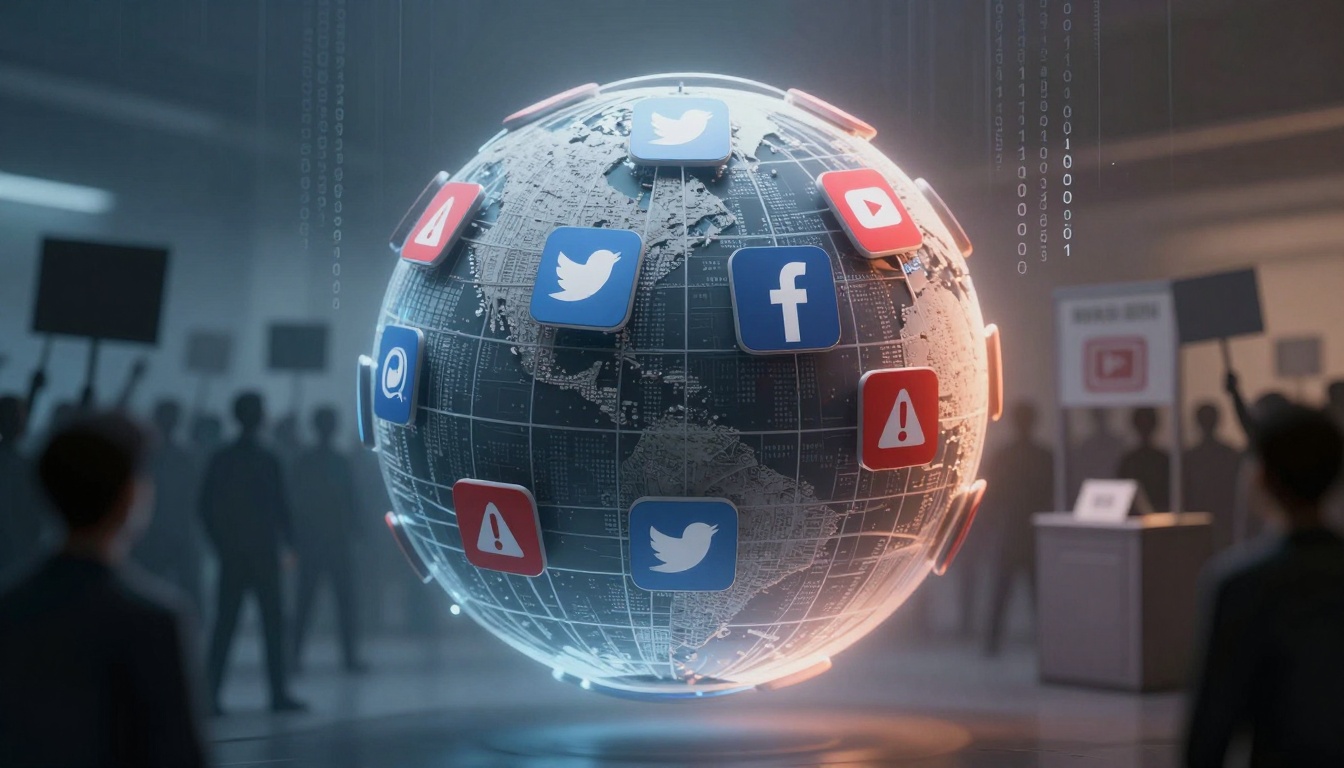

Listen to this post: Platform Moderation Mistakes That Shaped Real-World Politics
Picture this: a single false post about a rigged vote races across Facebook. Families split at dinner tables. Voters head to polls fired up by lies. In 2016, that happened on a massive scale. Platforms like Facebook, Twitter, and YouTube failed to curb foreign meddling. Platform moderation mistakes let fake news flood in. This sparked real shifts, from US election surprises to violence in Myanmar.
These errors did not stay online. They stirred riots, toppled trust, and altered power balances. Take the Rohingya crisis, where hate posts ignited persecution. Or January 6, 2021, when bans on a president reshaped speech rules. Fast forward to Meta’s 2025 U-turn on fact-checkers. Each case shows how slip-ups by tech giants ripple into politics.
Why do these matter now? With elections looming and AI tools loose, poor choices could swing votes or spark unrest again. This piece breaks down key failures, their fallout, and fixes we need. Platforms hold huge sway. Their moderation stumbles prove it.
Fake News Flood in the 2016 US Election
Back in 2016, Russian agents pumped lies into American feeds. Facebook algorithms pushed divisive posts. PizzaGate conspiracies painted Democrats as child traffickers. Cambridge Analytica harvested data to target swing voters with tailored fibs. Twitter and YouTube amplified it all. Moderators missed the boat.
Platforms hired more staff only after the election. Facebook’s fact-checkers kicked off in December 2016, too late. By then, 126 million users saw Russian content. It deepened rifts on race and immigration. Trump won key states amid the chaos. Pundits blame the info war in part.
Human cost hit home. A Pittsburgh man shot up a pizza shop over fake Clinton emails. Families unfriended over viral hoaxes. Why the fail? Just 4,500 moderators for two billion users. Most spoke English, blind to foreign tricks. Stats show fake news outpaced real stories three to one on election day.
Platforms chased growth over truth. Ad dollars rolled in from rage bait. They built walls after leaks exposed the mess.
Myanmar’s Dark Turn: Posts That Led to Violence
In Myanmar, Facebook dominated news. Buddhist nationalists posted hate against Rohingya Muslims. Calls to “kill them all” spread unchecked. Why? Few Burmese speakers on moderation teams. Algorithms favoured viral anger.
By 2017, posts urged pogroms. Mobs burned villages. Over 700,000 fled genocide. UN called it a “textbook example of hate speech.” Facebook took two years to act big. Local partners flagged content, but HQ lagged.
Global rules clashed with local fires. English filters missed slurs in Rohingya dialects. Violence killed thousands. Platforms learned late: one policy does not fit all cultures.

Photo by Ahmed akacha
The Day Platforms Silenced a US President
January 6, 2021. Trump tweets urged supporters to march on the Capitol. “Be there, will be wild.” Mobs stormed in. Five died. Platforms reacted fast. Twitter locked his account for 12 hours, then banned for good. Facebook followed for two years. YouTube suspended too.
Debate exploded. Did posts incite violence? Tech bosses cited rules broken. Yet figures like Zuckerberg faced heat for playing god. One man reached 88 million followers. Sudden quiet shifted the game.
Outcomes rippled. Republicans cried censorship. Trust in platforms tanked to 27% per polls. Trump’s voice moved to Truth Social, but mainstream reach vanished. Political pressure mounted. Biden called it a “national crisis.”
Why the call? Moderators weighed words amid riots. Past leniency let QAnon grow. Now, overkill fears rose.
Shadow Bans and Broken Appeals Hurt Voices
Instagram and TikTok hid posts without notice. Shadow bans cut views on opposition takes. In 2021, Brazilian conservatives vanished from feeds pre-election.
Appeals failed. Users got stock replies. Data shows millions wrongly flagged. Politics suffered as dissent dimmed.
Meta’s Big U-Turn on Fact-Checking
Meta flipped course in early 2025. Zuckerberg axed third-party fact-checkers in the US. He called them censorship tools. Switched to community notes, like X’s system. Aim: less bias, more speech.
Oversight board slammed it as “hasty.” For details on the rushed policy shift, see Meta oversight board’s rebuke on hasty changes. Critics fear election lies and health scams surge.
Zuckerberg admitted overreach harmed more than helped. Automation botched nuance. Global rules ignored local tongues. In Q1 2025, enforcement errors dropped, but polls show 72% want false info yanked.
Politics heats up. Trump’s circle cheered. Yet Reuters notes uneven global hits. Meta’s policy overhaul draws board fire. X saw critics’ reach crash after Musk jabs, per NYT probe on suppression. Moderation now bends to power.
Lessons from These Moderation Mess-Ups
Core flaws repeat. Too few humans chase billions of posts. AI flags wrong targets, misses sly hate. Blanket rules ignore cultures. Politics pressures CEOs to pick sides.
Real blows: Myanmar deaths, US vote doubts, speech chills. Trust erodes. Fixes start simple. Hire diverse moderators. Train AI on contexts. Let users appeal fast. Test changes small.
Platforms must own impacts. Lawmakers push bills for transparency. Smarter tools ahead could heal divides.
In sum, these cases warn us. Online slips forge real paths: riots, bans, policy U-turns. Platforms shape votes and streets. Watch their moves close. Push for balanced rules that curb lies without gagging truth. Better days lie ahead if they learn fast. What slip-up worries you most? Share below. Stay sharp on the feeds that sway our world.