

Listen to this post: Why Study Unsexy Old-School Entrepreneurs
Picture a flashy startup in 2025. It blows up on social media with viral posts and big promises. Investors pour in cash. Then it crashes hard six months later, leaving empty offices and sad founders. Now think of quiet builders from long ago. They sweated in factories, shook hands for deals, and fixed problems one by one. No apps or influencers needed. These unsexy old-school entrepreneurs grew empires through raw effort and smart tweaks before the internet existed.
Men like Andrew Carnegie, Henry Ford, and Thomas Edison started from nothing. Carnegie sold scrap metal door to door. Ford tinkered in sheds. Edison filled notebooks with failed tests. In 2026, their ways cut through hype. Trends show grit and steady quality beat quick fads. Startups fail fast without real checks, but these basics build trust that lasts. The 10 Greatest Entrepreneurs lists them as top picks for a reason. Ahead, see their stories and lessons that work today.
See How They Built Empires with Pure Grit and Smart Moves
Old-school entrepreneurs prove basics win big. They faced real-world tests without tech shortcuts. Carnegie turned rags to steel riches. Ford made cars for the masses. Edison lit up homes after endless tries. Their paths show grit and tweaks create lasting power. Study them to see what holds up now.
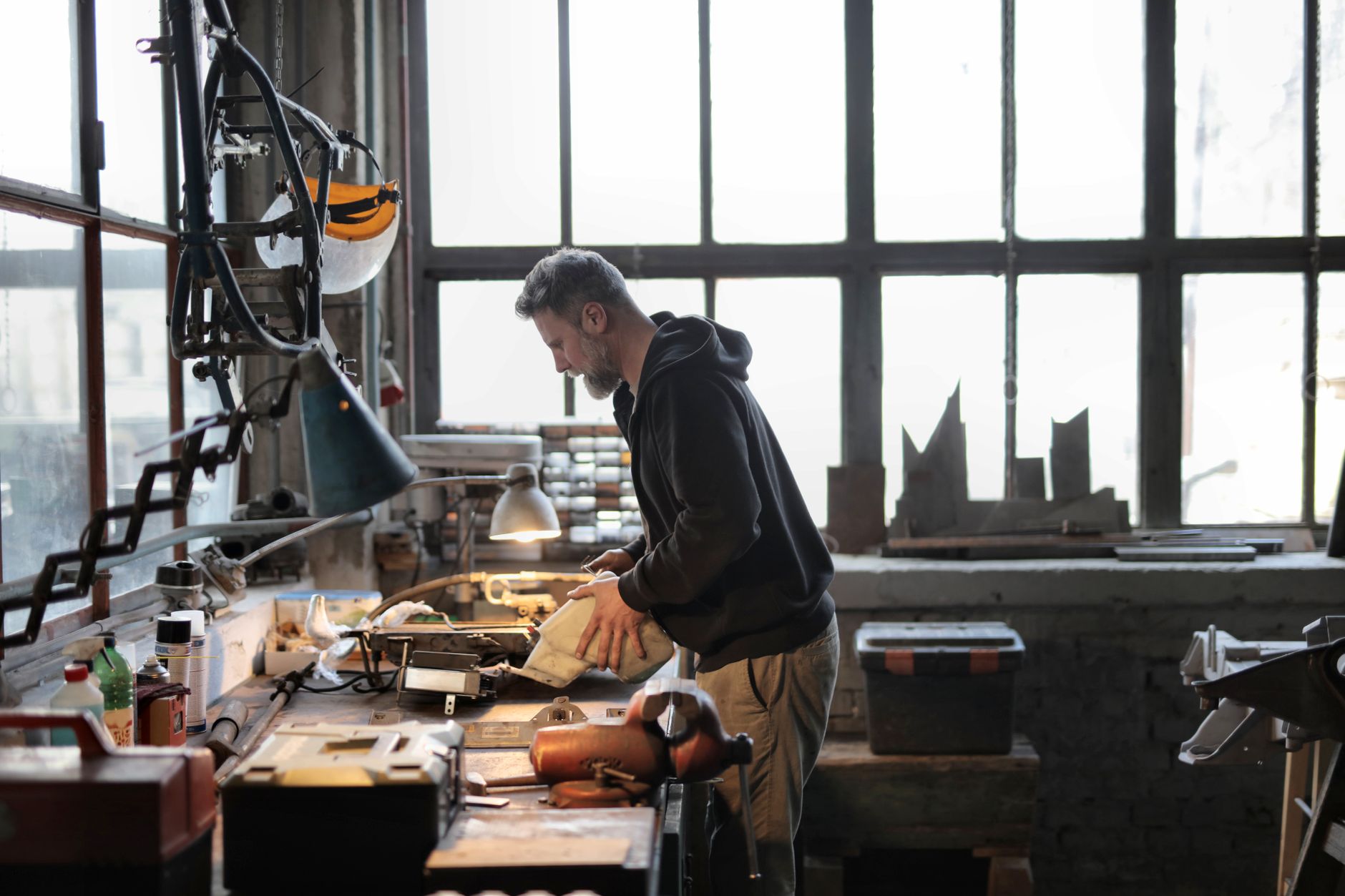
Photo by Andrea Piacquadio
Andrew Carnegie’s Path from Poor Immigrant to Steel King
A Scottish lad lands in America broke. He works in factories, spots cheap scrap metal everywhere. Young Andrew buys it cheap, strikes deals with suppliers who trust his word. He tweaks furnaces to make steel fast and low-cost, like the Bessemer process. Soon mills hum, bridges rise. His key? Hunt efficiencies in the grind, not flash. That beats hype every time.
Henry Ford’s Workshop Wins That Changed Cars Forever
Farm boy Henry fixes watches and engines in a dim shed. He builds his first car by hand, parts scattered on the floor. Trials lead to the assembly line. Workers pass tools; a Model T rolls out in 93 minutes, not 12 hours. Prices drop, sales soar. Ford shows repeat simple steps to scale huge. Workshops still teach that today.
Thomas Edison’s Notebook Full of Failures That Sparked Light
In a smoky lab, Edison tests bamboo, carbon, thousands of threads. Six thousand fails fill his notebooks, each noted with care. He finds the right filament for a bulb that lasts. Factories follow for records and power. Persistence plus records turn flops to wins. Labs echo his method still.
Grab Their Timeless Lessons to Crush 2026 Challenges
Their stories give tools for now. In 2026, markets shift quick with AI and e-com. Yet grit pushes through; 55% of survivors tweak models fast. Quality locks in fans over ads. Add W. Edwards Deming’s factory charts and Sam Walton’s door-to-door hunts. These beat screen posts. Build daily, meet folks real, refine steps. Steady growth follows.
Lock in quality like Deming did for Japanese factories. Post-war, he draws charts with teams, spots defects, fixes one step at a time. Zero flaws emerge. Now track your work daily: list three checks each morning. Customers stay loyal in picky times.
Hunt customers and deals in person, Walton style. Sam drives miles to chat suppliers, eyes rivals’ stores, slashes prices through talks. Walmart grows huge. Skip screens; visit one shop or call a contact this week. Real bonds outlast likes.
Deming’s charts mix with tech tools today. Grit helps test AI ideas without crash. Walton’s chats build trust ads can’t touch. Greatest Industrial Entrepreneurs of All Time backs their edge. Pick one habit; watch your base strengthen.
Old-school ways cut 2026 noise. Carnegie, Ford, Edison, Deming, Walton built empires on grit, tweaks, and real work. They prove quality and persistence win amid flops. Trends confirm: without them, even smart tech fails.
Pick one now. Grab a bio on Carnegie or Ford’s line. Notebook your fails like Edison. Hunt a deal face to face. Apply it this week. Solid wins stack up. Your business lasts. What old lesson calls you first?