
Listen to this post: How to Create a Lead Magnet Your Readers Actually Want to Download
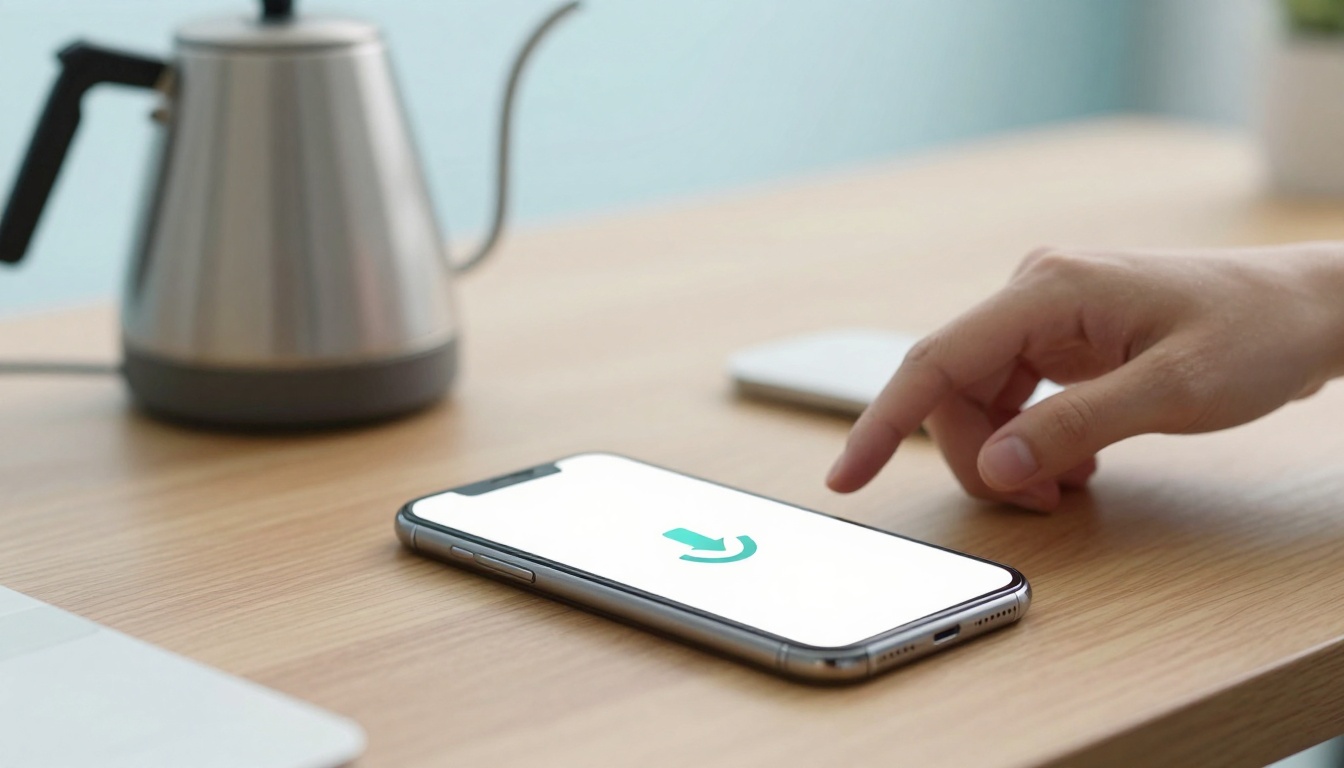
Picture this: someone’s on their phone, thumb-flicking through your article while the kettle boils. They’re half-reading, half-scrolling, saving nothing, trusting nobody. Then they hit a small box on your page that feels oddly personal, like you wrote it for their Monday morning.
They stop. They tap. They type their email without thinking twice.
A lead magnet is a free, useful download (or tool) you give in exchange for an email address.
This guide gives you a clear method to choose, build, and promote a lead magnet people want because it solves one real problem fast, matches the page they’re reading, and feels easy to use.
Start with one problem your reader wants fixed today
The best lead magnets feel like a quick rescue, not homework.
If your freebie looks like a “full guide”, readers often think, “I’ll do it later.” Later never comes. But if it looks like relief, they’ll grab it on instinct.
Start by picking one sharp problem tied to one post or category. A generic “Weekly newsletter” pop-up isn’t wrong, it’s just vague. A page-matched offer speaks to the exact moment your reader is in, and that usually converts better because it feels relevant.
Keep the problem concrete. Think everyday wins:
- Job hunt: “I need to stop freezing in interviews.”
- Budgeting: “I keep overspending and don’t know where it goes.”
- Meal planning: “I’m tired of 6 pm panic cooking.”
- Study notes: “I don’t know what to revise first.”
If your site covers many topics (like tech, finance, health, and culture), page-matched lead magnets matter even more. A reader in “AI explainers” mode doesn’t want a sports download. They want help with the exact thing they’re reading right now.
Pick a ‘pain-to-win’ promise in one sentence
A strong lead magnet begins as a single sentence you could say out loud.
Use this fill-in-the-blank:
“In 10 minutes, you’ll be able to ____ without ____.”
Examples across niches:
- “In 10 minutes, you’ll be able to plan your week’s meals without staring into the fridge.”
- “In 10 minutes, you’ll be able to answer ‘Tell me about yourself’ without rambling.”
- “In 10 minutes, you’ll be able to spot hidden subscription spend without opening ten apps.”
- “In 10 minutes, you’ll be able to write a clean meta description without guessing.”
- “In 10 minutes, you’ll be able to build a sane revision plan without rewriting your whole timetable.”
A quick checklist to spot a strong promise:
- Clear outcome: you can picture the ‘after’.
- Small scope: one problem, one result.
- Fast payoff: minutes, not days.
- Easy to start: no special tools required.
If you can’t keep the promise in one sentence, the lead magnet is trying to do too much.
Use your own content to spot what people keep asking for
You don’t need fancy tools to find lead magnet ideas. Your audience already tells you, just not in one neat place.
Look for clues in:
- Comments on posts (especially “How do I…?” and “What about…?”).
- Email replies (people confess the messy parts there).
- DMs (repeat questions are gold).
- Most-read posts (your audience is voting with their time).
- Time on page (long reads suggest strong intent).
- Site search terms (what people type into your search bar is raw demand).
If you want a practical mini exercise, try this:
Write 10 questions your readers ask (or would ask). Don’t overthink it, just list. Then circle the ones that sound urgent, where the person wants the answer today. Pick the top one and build your lead magnet around that.
A lead magnet is not a topic. It’s a fix.
For more context and examples of how modern lead magnets are framed, Dealfront’s guide to creating a lead magnet is a useful reference point.
Choose a lead magnet format that feels effortless to use
Formats are just containers. The goal stays the same: a quick win.
In January 2026, what’s working well tends to feel more personal and more immediate. Readers are tired of generic PDFs. They want something that reacts to them, guides them, or saves time in a very specific way. Advanced marketing copy techniques can now tap into reader preferences, delivering tailored content that resonates deeply. By leveraging data insights, marketers can craft messages that not only capture attention but also drive engagement and conversions. This approach allows brands to establish stronger connections with their audience, fostering loyalty and increasing retention rates.
That doesn’t mean everything must be “interactive”. It means the experience should feel light, direct, and relevant.
Here’s a simple way to pick: choose the format that removes friction for the reader you already have, on the page they’re already reading.
High-download lead magnet ideas for 2026 (and what they’re best for)
Below are options that tend to earn downloads because they’re easy to finish and easy to use.
| Lead magnet format | Best for | Don’t use it when |
|---|---|---|
| Quick-win checklist | Clear steps, quick confidence | The problem needs judgement, not steps |
| Template or swipe file | Writing, planning, decisions | The template would need heavy custom work |
| Short email series | Behaviour change, gentle coaching | The reader wants an instant tool |
| Mini course preview | Teaching a method, building trust | You can’t keep it short and focused |
| Quiz or assessment with results | Personalised guidance, curiosity | You can’t give meaningful outcomes |
| Calculator or simple tool | Money, time, ROI, comparisons | You don’t have inputs that matter |
| Short private video | Showing a process, “watch me do it” | The topic needs scanning, not watching |
A quick note on quizzes: they often beat static PDFs because they reward curiosity (“What will my result be?”), they feel personal (“This is for my situation”), and they can point to one clear next step.
If you want a broader list of lead magnet ideas, Learning Revolution’s lead magnet examples offers a good spread across formats.
Match the format to the moment the reader is in
The same topic can need different formats depending on where the reader is mentally.
Think of “moment” like this: are they new, comparing, or ready to act?
- New (just learning): checklists and short explainers work well. They want clarity, not commitment.
- Comparing (deciding between options): calculators, quizzes, and comparison templates shine. They want help choosing.
- Ready to act (trying today): templates, swipe files, and tools win. They want to move, not read.
Page matching is where this becomes powerful:
A budgeting article pairs nicely with a spending tracker or “quick audit” checklist. A job interview article pairs with a question bank and answer structure. An SEO explainer pairs with an on-page checklist that turns theory into action.
If you’re writing for busy readers who skim (most people), a short tool beats a long guide. Their time is the real price.
Build a lead magnet people trust, finish, and share
A lead magnet can look gorgeous and still fail if it’s hard to finish.
Your build process can be simple:
- Outline the promise and steps.
- Create the content (keep it short).
- Add clean design.
- Deliver instantly.
- Follow up with one helpful sequence.
Trust comes from small signals: no fluff, real examples, a tidy layout, and instant access. People share lead magnets when they feel proud using them, like they’ve found a shortcut worth passing on.
If you want a practical set of quality checks, VWO’s tips for effective lead magnets is a solid companion read.
Keep it short: the ‘one sitting’ rule and a clear next step
Your lead magnet should be doable in one sitting. Not “readable” in one sitting, doable.
Use these guardrails:
- Checklists: 1 to 3 pages
- Templates: 3 to 7 pages
- Quiz: 5 to 10 minutes
- Mini lesson: 10 to 15 minutes
A simple structure that keeps people moving:
- Title that repeats the promise
- “What you’ll get” (one short paragraph)
- The steps (skimmable)
- One worked example
- A final “do this now” action
That last line matters. Don’t end with “Hope this helps.” End with a tiny push: “Open your calendar and block 20 minutes for Step 1.” Or: “Copy the template and fill the first three lines.”
Completion creates belief. Belief creates subscribers who stick.
Design and delivery that doesn’t break the spell
A reader opts in when they’re in a small moment of motivation. Your job is to not ruin it.
Design tips that keep it calm and clear:
- Use big headings and generous white space.
- Stick to one font pair.
- Use bold only for key actions or labels.
- Put examples in a shaded box or a simple call-out style (even in a plain PDF).
Delivery should be instant and obvious:
- Show a confirmation message that says exactly what happens next.
- Send the download by email as well (people lose tabs).
- Avoid confusing gates or extra steps.
Keep the form simple. Email first, name optional. Every extra field feels like a little tax.
Choose file formats based on how people will use it:
- PDF: best for print, clean layout, quick scanning
- Google Doc: best for editable templates
- Notion template: best for power users who live in systems
If your lead magnet is audio or multi-part, consider a delivery method that feels easy on mobile. Hello Audio’s lead magnet overview offers ideas on packaging content in a way that suits modern listening habits.
Turn readers into subscribers with the right placement and a simple follow-up
Promotion starts inside your content, not on social media.
Your best leads often come from readers already on the page, already interested, already nodding along. Make the opt-in visible at the moment of highest intent.
Placements that tend to work:
- In-line blocks (after a key point, not at random)
- End-of-post offers (for people who finished)
- Slide-ins (when the reader has shown time-on-page)
- Exit-intent pop-ups (best used sparingly)
- Dedicated landing pages (useful for sharing and campaigns)
Don’t change ten things at once. Test one change at a time: headline, format, placement, or button text. Watch what happens over a week or two, then adjust.
Write opt-in copy that makes the download feel obvious
Your opt-in copy should feel like it belongs on that page, because it does.
Use this mini formula:
Outcome + time + what’s inside + who it’s for
Example: “Plan three weeknight dinners in 10 minutes, with a 1-page meal grid for busy households.”
Five example opt-in headlines:
- “Get the 10-minute interview answer planner (free)”
- “Download the spending ‘leak’ checklist and find your hidden costs today”
- “Use this on-page SEO checklist before you hit publish”
- “Take the 2-minute quiz and get your next step”
- “Steal my weekly meal grid and stop the 6 pm scramble”
Five CTA button texts that don’t say “Submit”:
- “Send me the checklist”
- “Get the template”
- “Show me my results”
- “Email the download”
- “Start the 10-minute plan”
Add light trust signals, without shouting:
- A tiny preview image of page 1
- 3 bullet points on what’s inside
- A short privacy line (“No spam. Unsubscribe anytime.”)
- Optional proof only if true (“Used by 200 newsletter readers”, “From my own workflow”)
If you’d like more examples of how offers are positioned, Jenna Kutcher’s post on lead magnets that convert is helpful for copy angles and framing. One way to enhance your reading experience is to create your ideal reading nook where you can escape into your favorite stories. Incorporating comfortable seating, good lighting, and personal touches can transform any corner of your home into a literary sanctuary. This inviting space will not only boost your reading habits but also make it easier to unwind and enjoy the books you love.
Deliver, then nurture: the 3-email sequence that feels helpful
A lead magnet is the start of a relationship. The follow-up is where trust either grows or fades.
A simple 3-email sequence works because it respects attention span:
- Email 1 (now): Deliver the lead magnet. Add one quick-start tip so they use it today.
- Email 2 (day 2 or 3): Show a worked example or a common mistake. Make it feel like a friendly save.
- Email 3 (day 4 to 7): Offer the next step. This could be a related article, a tool you recommend, or a paid offer if it genuinely fits.
One small move that improves results: tag subscribers by which lead magnet they downloaded. Then your future emails can match their interest instead of guessing.
Relevance is what keeps people opening.
Conclusion
A lead magnet people want comes down to four simple choices: pick one urgent problem, choose an easy format, build for a quick win, place it where intent is highest, then follow up with care.
If you do nothing else today, do this: write your one-sentence promise, pick the format, then draft the outline in 20 minutes. Keep it short, keep it page-matched, and make the first step feel almost too easy.
Create one page-specific lead magnet for your top post this week, then watch what happens when the right reader finds it at the right moment. Consider exploring the various options available online, as knowing how to choose a blogging platform can significantly impact your content’s reach and engagement. Look into user reviews and compare features to ensure you select one that aligns with your goals. Ultimately, making an informed decision will set you on the path to success with your blogging efforts.