
Listen to this post: How to Host Guests in a Small Home (Without Feeling Squashed)
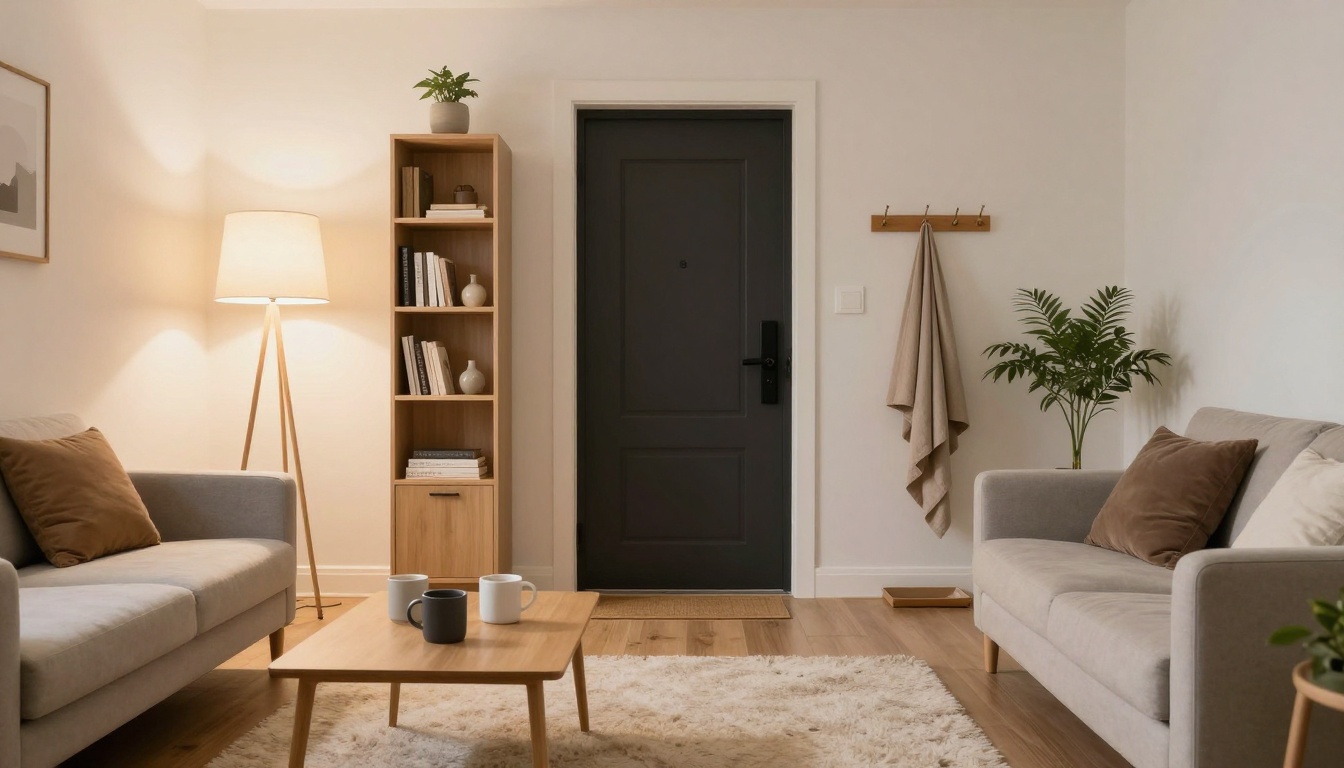
The coats land by the door, the kettle clicks on, and the room glows under a lamp instead of the harsh ceiling light. In a small home, that first two minutes sets the tone. If it feels calm, everyone relaxes. If it feels cluttered, people start apologising for taking up space.
Hosting guests well isn’t about square metres. It’s about comfort, flow, and a few thoughtful touches that make people feel looked after. The good news is that the same simple plan works for a quick cuppa, a long evening, or an overnight stay, whether you live in a flat, a studio, or a small house.
Get your small home guest-ready in 30 minutes
When time’s tight, aim for “clear and cosy”, not perfect. In small spaces, the eye needs one or two calm surfaces to rest on. That’s what makes the whole place feel bigger.
A quick, high-impact reset:
- Clear the floor path from door to seating.
- Make one surface look spotless (coffee table or kitchen counter).
- Freshen the bathroom.
- Add soft lighting and a throw.
If you want a few more small-space prep ideas, IKEA’s guide on making a small home ready for guests is packed with practical, realistic suggestions. considering starting a blog in 2026 can also provide inspiration for maximizing your living space in creative ways. Sharing your journey online not only connects you with a community but also sparks new ideas for transforming cramped areas into functional and inviting environments. As more people embrace small living, your experiences could influence others to make the most of their spaces.
Do a quick clutter sweep (hide, don’t organise)
Don’t start sorting paperwork or matching socks. That’s how you end up stressed and late.
Use the basket method:
- Grab a laundry basket, tote, or big bag.
- Sweep up loose items from the sofa, side tables, and floor first.
- Add kitchen bits next (post, chargers, random mugs).
- Put the basket in a bedroom, cupboard, or even the bath if needed.
Start with the sofa area because it changes the feel of the room fast. Then pick one “tidy anchor” that stays visible, like a clear coffee table or a clean kitchen counter. That single calm spot makes the rest feel intentional, even if it isn’t.
Make space at the door for shoes, coats, and bags
Small homes get taken over when guest stuff spreads. Give it one home, right away.
Easy options that don’t need new furniture:
- A small tray or bowl for keys.
- Hooks, a rail, or hangers on the back of a door.
- A chair as a bag drop (with a folded throw on it so it looks planned).
A simple line saves awkwardness: “Pop your coat here.” People like being told where things go. It stops the shuffle of shoes under the dining table and bags on the sofa.
Set up the room so people can move, sit, and chat without squeezing
A small room can feel like a busy train carriage if everyone’s trapped in one cluster. The trick is to create a sense of “places” without adding clutter. To achieve this, consider incorporating unique local experiences in Paris that encourage interaction and movement. Establish designated areas for different activities, allowing people to engage naturally while ensuring the space remains open and inviting. This way, you can make the most of the limited area without overwhelming it.
Before guests arrive, stand at the door and look in. If the path is blocked, move whatever’s in the way. Even shifting a side table by 20 cm can change everything.
Use zones to stop crowding (drinks, food, chat)
You only need two or three zones. Think of them like little islands people can drift between:
- Drinks zone: a corner of the counter, a windowsill, or a sideboard.
- Food zone: coffee table, a small folding table, or a cleared shelf.
- Chat zone: sofa and chairs angled slightly towards each other.
Keep one walkway clear, even if it means rolling up a small rug or sliding a stool under a table. People relax when they don’t have to squeeze past knees to get to the loo.
For more ideas on arranging a tight space for gatherings, Livingetc’s small space hosting tricks include smart layout tips that focus on flow, not fuss.
Bring in flexible seating that disappears later
You don’t need a bigger sofa to host more people. You need seats you can hide again.
Good, realistic options:
- A spare dining chair pulled in for the evening.
- Fold-up chairs (borrowed from a neighbour if you don’t own them).
- Stools that tuck under a counter.
- Floor cushions for relaxed hangs (great for teens and close mates).
2026-friendly picks people love because they multitask: nesting tables, storage ottomans, and small pouffes that act as footrests most days. One safety rule: keep seats stable, and don’t block exits or the route to the door. A cosy home still needs clear lines to move around.
Serve food and drinks the small-space way (easy, tidy, and low-stress)
In a small home, the kitchen turns into a pinch point. Guests hover, you can’t reach the sink, and the bin becomes a traffic jam.
The fix is simple: fewer decisions, more self-serve, and food that looks generous without needing constant attention.
Go buffet-style so guests can help themselves
A mini buffet works anywhere: a counter, a bookshelf shelf, a coffee table, even a wide windowsill. The goal is to stop everyone asking you, one by one, where things are.
Use height to save space:
- Stack boards and bowls.
- Use a tiered tray if you have one.
- Put cups and napkins above plates, not beside them.
Place plates, napkins, and the bin in the same spot so people don’t wander around with a dripping spoon, looking lost. If you’ve got separate recycling, label it with a sticky note for the night. It’s not fancy, but it keeps things smooth.
Choose a small menu with big comfort
Small-space hosting food should feel like a warm jumper: comforting, forgiving, and easy to carry.
Options that work well:
- One-pot meals (chilli, curry, stew).
- Tray bakes (veg and chicken, sausages, halloumi and peppers).
- Pasta bake plus a big salad.
- A simple roast with two sides, not six.
For drinks, keep it calm: one batch drink (a jug of something) plus water, tea, and coffee. If you want a little style without more work, add lemon slices and ice to a jug. It looks thoughtful and buys you time.
Ask about allergies early with a quick message: “Any allergies or foods you avoid?” It’s caring, and it stops last-minute panic.
Host overnight guests without losing your own comfort
Overnight hosting in a small place is a bit like camping indoors. Done right, it’s charming. Done badly, it’s a long night for everyone.
The aim is to make the sleep set-up feel prepared, not like an afterthought. A few small details also avoid morning friction, which is when small homes feel smallest.
Create a simple sleep setup (sofa bed, air bed, or floor mattress)
Your guest doesn’t need a perfect guest room. They need the basics done well:
- Clean sheets.
- A decent pillow.
- One warm blanket, plus a lighter throw.
If you’re using an air bed, test it earlier that day. Nothing kills the mood like midnight pumping and a slow leak. For extra comfort, a topper or even a folded duvet under the sheet can help.
Give them a place for their things:
- One drawer, if you can spare it.
- A basket beside the bed.
- A clear corner with a plug for charging.
Livingetc’s advice on making the most of a tiny guestroom has smart ideas that also work when your “guest room” is the living room. To maintain a harmonious living space, consider implementing decluttering tips for each room that reflect your personal style while maximizing usability. Whether it’s organizing your kitchen or streamlining your bedroom, these strategies will help create a more serene environment. Start with one room at a time to avoid feeling overwhelmed and make the process enjoyable.
Make privacy and bathroom needs easy
Privacy matters more in a small home because there’s nowhere to disappear. You can create it without building anything:
- A folding screen.
- A curtain on a tension rod.
- A “quiet time” plan (lights out by a set time, morning shower order agreed).
In the bathroom, put out what they’ll need so they don’t rummage:
- Fresh towel.
- Hand soap.
- Spare toilet roll.
- A small bin.
- A hook (or an over-door hook) for clothes and towels.
For the morning, set out mugs, tea, and a simple breakfast spot. Even just clearing one corner of the counter helps. If you want to go one step further, leave the WiFi password on a note. It’s a small 2026 habit that saves repeated questions and makes guests feel at home fast.
Conclusion
A small home can host big warmth. The winning moves are simple: a quick clear-out with the basket method, a few easy zones for flow, self-serve food that keeps you off the stove, and a sleep set-up that feels thoughtful.
Pick one idea to try next time someone pops round, even if it’s just clearing the doorway and lighting a lamp. Guests won’t remember the size of the room, they’ll remember how it felt to be in it.