
Listen to this post: How to Use Debt as a Lever Instead of a Prison
Debt can feel like a heavy rucksack you didn’t pack. It digs into your shoulders each month, it limits how far you can walk, and it turns small problems (a broken boiler, a missed shift) into full-body panic.
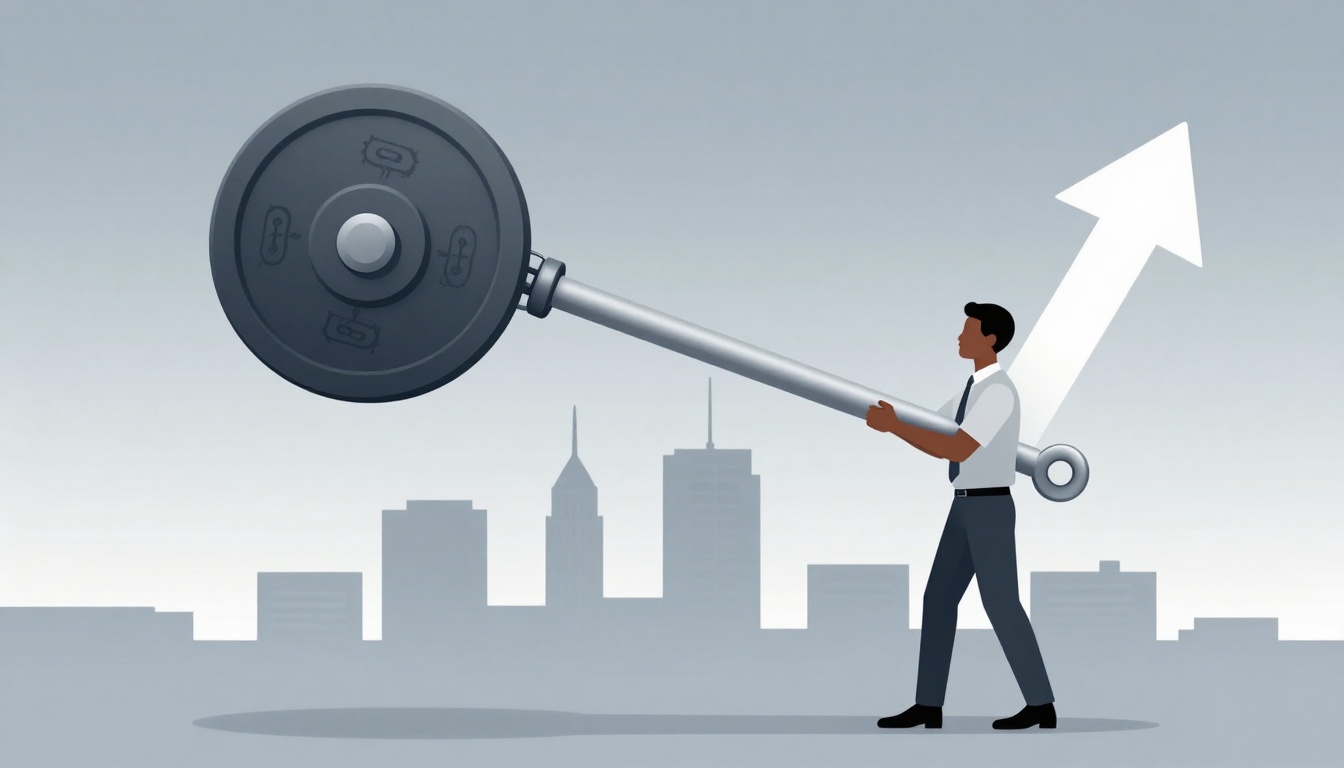
But debt can also be a spanner. A tool you choose to pick up, use for one job, then put back down. The difference isn’t luck, or even income. It’s whether the borrowing has a job to do, whether it fits your life if things go wrong, and whether you’ve planned your way out before you start.
This guide shows how to spot helpful debt versus harmful debt, how to borrow with guardrails (credit cards, overdrafts, mortgages), and how to turn existing debt into a plan you can actually follow.
Start with the difference between debt that builds your life and debt that eats it
“Good debt” and “bad debt” can sound like a lecture, but it’s simple in practice.
Debt is useful when it buys an asset or skill that can pay you back. That payback might be cash in your bank, lower living costs, or higher earning power. Debt is harmful when it props up a lifestyle your income can’t carry, or when it keeps you stuck paying yesterday’s bills.
A few common examples that can build your life:
- A mortgage for a home you can afford even if rates rise, and you keep a buffer.
- A business loan tied to clear sales, margins, and demand, not hope.
- Education or training that leads to a realistic pay rise or better job options (and you’ve checked the market).
Common traps that tend to eat your life:
- Credit cards for lifestyle spending, especially if you only pay the minimum.
- Buy-now-pay-later stacking across shops, then landing at high rates.
- Payday loans and other short-term credit that resets the clock every month.
In January 2026, the Bank of England base rate sits at 3.75%, which keeps borrowing costs meaningful. Mortgage pricing still varies widely, but some fixed deals are advertised in the mid-3% range for borrowers with strong credit and low loan-to-value, while standard variable rates can sit around the 7% range. That gap matters because it’s the difference between “manageable” and “I’m drowning” when a fixed deal ends.
Before you borrow, don’t just ask, “Can I get approved?” Ask what the interest rate is, what fees exist (arrangement fees, balance transfer fees, early repayment charges), and what happens if your income drops.
A quick, practical checklist to run before you sign:
- What does it pay for?
- How does it pay you back? (income, savings, higher pay)
- What’s the worst case? (job loss, rate rises, illness)
- What’s the exit plan? (how this ends, on purpose)
If you want a plain-language breakdown of how people often define “good” versus “bad” borrowing, good debt versus bad debt guidance is a useful starting point.
A simple test: what does this debt produce each month?
Think in two columns: cash in and cash out.
Cash in can be:
- extra income (overtime, promotion, new clients)
- savings (lower energy bills, cheaper commuting)
- avoided costs (replacing a failing car before it becomes constant repairs)
Cash out is:
- the monthly payment
- interest and fees
- the mental load (stress has a cost, even if it’s not on a statement)
A mini example with easy numbers:
- You borrow £1,200 for a short course. It helps you move roles and your take-home pay rises by £120 a month. If you repay £60 a month for two years, you’re still £60 up each month while you pay it down (and more once it’s cleared).
- You borrow £1,200 for a holiday. The photos are great, but your pay doesn’t change. If you repay £60 a month, you’re £60 down every month until it’s gone.
Neither makes you a bad person. One just produces something that can carry the payment.
The hidden cost most people miss: risk, not just interest
Interest is the obvious cost. Risk is the quiet one that turns manageable debt into panic.
Risk looks like:
- your hours get cut, or you lose a job
- rates rise, or your fixed deal ends and you land on a much higher variable rate
- “minimum payments” that stretch the debt for years
- collateral (your car, your home) being on the line
- your credit score taking a hit, which pushes future borrowing costs up
One clear warning line to remember: if missing one payday breaks the plan, the debt is too tight.
That doesn’t mean you never borrow. It means you borrow with enough slack that a normal life wobble doesn’t become a crisis.
Borrow on purpose: build guardrails before you sign anything
The people who use debt well tend to do one unsexy thing: they treat borrowing like a project, not like a purchase.
Start by giving the debt a job. “I want a nicer life” is human, but it’s not a plan. “I want to clear a 24% credit card with a cheaper option in 10 months” is a plan. “I want a £2,000 training budget that increases my take-home by £150 a month” is a plan.
A simple borrowing plan that makes debt act like a lever:
- Set a goal in one sentence. Clear, measurable, time-bound.
- Cap the amount. Borrow less than the lender offers, not more.
- Set a timeline. The shorter the better, within your comfort.
- Choose fixed versus variable. Fixed can be dull, but dull is safe.
- Plan repayment from day one. Treat repayment as a bill, not a “maybe”.
For affordability, you don’t need a fancy spreadsheet. You need a comfort zone. Many households find life easier when total debt payments stay below roughly 30% to 35% of take-home pay. That’s not a rule and it won’t fit every case, but it’s a useful signal. If you’re already near that line, new debt isn’t a lever, it’s a weight.
Before you borrow for growth (training, business equipment, investing in a side income), build an emergency buffer. Even £1,000 as a starter buffer can stop you reaching for a credit card when the car fails its MOT. Over time, aim for a few months of essential expenses if you can.
Also, protect your credit health while you borrow:
- Pay on time, every time (set up direct debits).
- Keep credit card utilisation lower where possible (many people aim under 30% of the limit).
- Avoid making lots of applications in a short window.
- Read the terms for fees, teaser rates, and what happens after the promo ends.
For business owners, the British Business Bank offers a grounded perspective on borrowing that’s tied to cashflow, not hype. See good vs bad business debt explained.
Write a one-page ‘debt plan’ that’s hard to lie to
The point of a debt plan isn’t perfection. It’s honesty. One page is enough, and it stops you rewriting the story in your head when you’re tired.
Include these prompts:
- Purpose: What exactly is this for?
- Amount: What’s the cap, and why?
- Rate and fees: APR, transfer fees, arrangement fees
- Total cost estimate: Roughly, what will you pay back all-in?
- Monthly payment: The number you will pay, not the minimum
- Payoff date: The month and year it ends
- If income falls: The first three actions you’ll take
- Not allowed: What you won’t use the money for
Put it somewhere visible. Review it monthly, like you’d check a car’s fuel before a long drive.
Know your exit before you enter: three clean ways out
Debt becomes a prison when there’s no door. Build the door first.
Three clean exits:
- Pay from cashflow. Your income covers the payment, with room left.
- Refinance (only if it still makes sense). If rates improve and fees don’t wipe out savings, refinancing can shorten the pain.
- Sell the asset or stop the project early. If the plan isn’t working, you cut the loss and end it.
What isn’t an exit is “roll it over and hope”. Hope doesn’t clear balances, it just extends them.
Turn existing debt into breathing room, then into momentum
If you’re already stuck, start with calm facts. Debt feeds on vagueness. It shrinks when you make it concrete.
Begin with a simple list:
- each debt (credit cards, overdrafts, loans)
- balance
- interest rate (or representative APR)
- minimum payment
- due date
Then choose one method and commit for 90 days. You can change later, but the first goal is consistency.
A practical stabilising routine:
- Automate minimums on everything to avoid late fees and credit damage.
- Pick one debt to attack with extra payments.
- Cut one expense you won’t miss much (one subscription, one takeaway habit, one upgrade).
- Create a no new debt rule while you’re stabilising (yes, even “small” Klarna-style purchases count).
Now, look for breathing room. Lower interest frees cash, and freed cash is what lets you overpay.
Example: a £2,000 credit card balance at a high APR might cost around £40 to £50 a month in interest early on (it varies by rate and payment). If you move it to a lower-cost option and reduce the interest by £25 a month, that same £25 can become an overpayment. Over a year, that’s £300 of extra debt reduction without earning more.
If you’re weighing saving versus paying off debt, PayPal UK’s explainer on paying off debt or saving is a helpful framing tool. The key is to do both in the right order: a small buffer first, then high-interest debt, then bigger savings.
If things feel unmanageable, get help early. In the UK, there are free debt advice charities and regulated professionals who can help you understand options and avoid expensive mistakes. The earlier you ask, the more choices you keep.
Snowball vs avalanche: pick the one you’ll stick with
Snowball means you pay extra towards the smallest balance first, while paying minimums on the rest. The win is emotional. Quick clears build confidence and momentum, like ticking off small boxes until the room looks less messy.
Avalanche means you pay extra towards the highest interest rate first, while paying minimums on the rest. The win is mathematical. You usually pay less interest overall, and you get to “keep” more of your money.
A simple decision tip: if motivation is your problem, choose snowball. If the numbers bother you and you want the cheapest path, choose avalanche.
Consolidation can help, but it can also move the problem
Consolidation is just a tool. Used well, it gives you a lower rate and a clear payoff date. Used badly, it spreads debt across a longer term, and quietly makes it more expensive.
Consolidation can make sense when:
- the new rate is clearly lower
- fees don’t erase the savings
- the term doesn’t stretch so long you pay more overall
- you stop new spending and stick to a payoff date
It doesn’t make sense when:
- you’re using it to avoid changing habits
- the “teaser” rate ends soon and jumps higher
- you turn unsecured debt into secured debt (for example, using home equity to cover shopping)
Quick red flags:
- “We can make the payment tiny” with no mention of total cost
- high fees or unclear terms
- no fixed end date
- you can’t explain, in one sentence, why it’s cheaper
For a general explainer with examples of when debt is considered helpful or harmful, Good Debt vs Bad Debt: What You Need To Know can add context, but always run your own numbers.
Use debt like a lever in real life: three scenarios with numbers you can picture
Debt gets clearer when it’s specific. Here are three grounded scenarios, with the big reminder: returns aren’t guaranteed, but the payment is.
Scenario 1: Replace high-interest card debt with a cheaper option
You have £3,000 on a card at a high APR. You move it to a lower-rate option with a clear 18-month plan and pay £200 a month. The debt ends on schedule, and you stop feeding interest. The real win is not just the rate, it’s the fixed finish line.
Scenario 2: Borrow for a skill that increases take-home pay
You pay £900 for a certificate that helps you switch roles. Within three months, your take-home rises by £100 a month. You repay the £900 over 12 months at £80 a month. You’re slightly down while repaying, then up after it’s cleared, and you now have higher earning power.
Scenario 3: A cautious mortgage or small business purchase
You consider borrowing to buy a property, or to buy equipment for a small trade business. You only proceed if the monthly payment is covered by reliable income with a buffer, and you can still pay if costs rise. You avoid betting the rent or the food shop on best-case numbers.
The ‘cashflow first’ rule: the payment must fit even in a bad month
Run a quick stress test before you borrow:
- Assume your income drops 20%, or your costs rise in the same month.
- Could you still make the payment without using a credit card?
- If not, the loan is too big, the timeline is too tight, or the buffer is too thin.
This one rule stops debt becoming a trap. It forces you to borrow smaller, slower, and safer.
Conclusion
Debt turns into a lever when it funds something that pays you back, fits your budget even when life gets messy, and has an exit plan you can point to on paper. Without those three, it’s more like a rucksack full of stones, carried quietly until it hurts.
Your next steps can be small: run the “what does it produce?” test on any new borrowing, write a one-page debt plan, choose snowball or avalanche for current balances, and set one guardrail for the next 30 days (no new BNPL, or an overdraft cap, or automatic overpayments). Progress doesn’t arrive in one bold move. It’s built from small, repeated choices that keep the tool in your hand, not on your back.