
Listen to this post: How Remittances Keep Struggling Economies Afloat
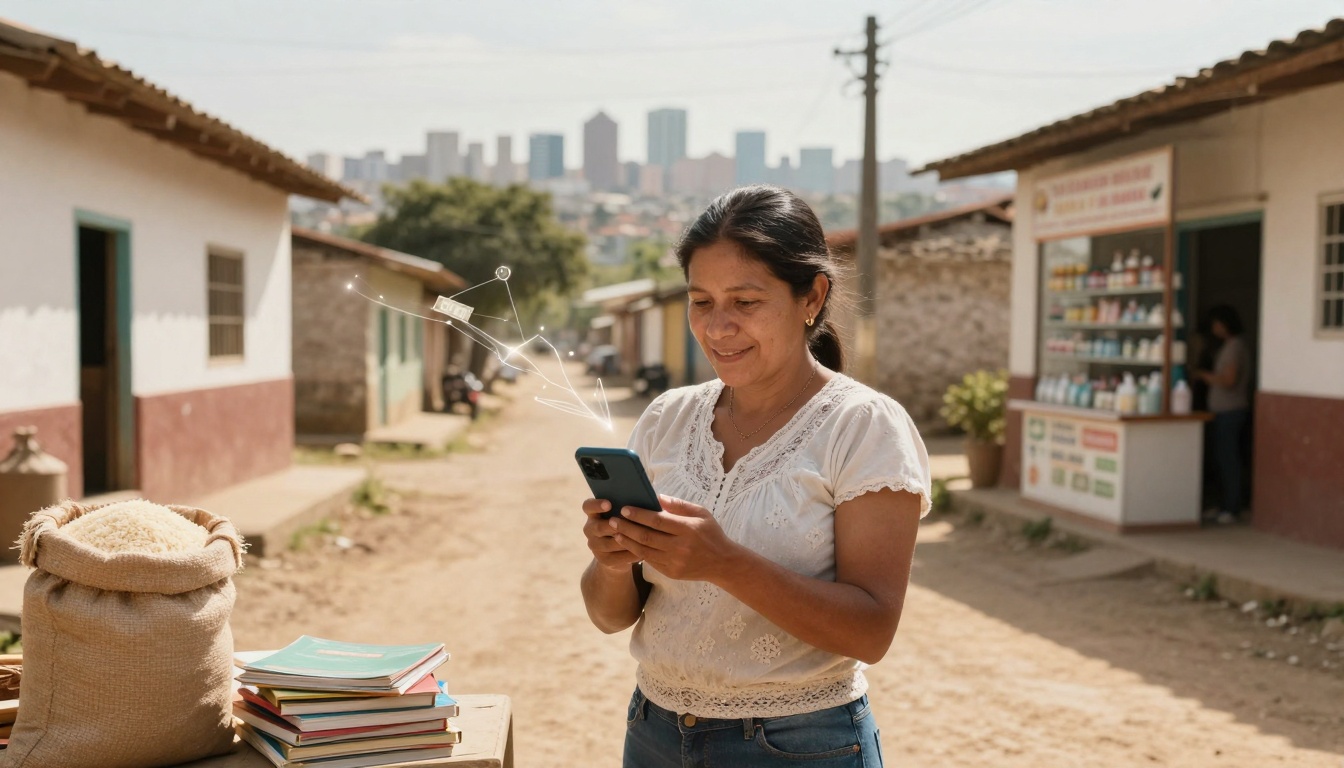
Picture a dusty village in rural El Salvador. A mother checks her phone. A message pings: cash from her son in the US has landed. She buys rice, pays school fees, and stocks medicine. This scene repeats millions of times. Remittances, money migrants send home, totalled nearly $700 billion to poorer nations in 2024. That’s more than most foreign aid or investment. In 2025, flows hit $690 billion, with a 2.8% rise.
These funds act as a lifeline. Families cover basics when local jobs fail. Economies stay steady amid shocks like storms or poor harvests. Workers abroad earn dollars or euros, then wire them back fast. Digital apps make it quick, often in hours.
This article looks at the surge in flows, nations that depend on them most, real impacts on lives, and hurdles ahead. You’ll see why this cash props up weak spots in the global map. Fresh data from 2025 and early 2026 previews show the trend holds firm.
Remittances Surge to New Heights Around the World
Cash from abroad keeps climbing. In 2024, poorer countries received $700 billion, up 10% from before. The World Bank pegs 2025 at $690 billion for low- and middle-income spots, a 2.8% jump. Forecasts point to 3% growth through 2026. Jobs in places like the US and Gulf states drive it. Cheap mobile transfers help too. Sixty percent to Latin America arrives in under an hour.
Top receivers pull in billions. India grabbed $137 billion in 2024, with strong growth into 2025. Mexico saw over $60 billion yearly, though May 2025 dipped 4.6%. Central America shines bright. El Salvador’s inflows rose 16.3% in October 2025. Honduras and Guatemala posted double-digit gains too.
This surge matters for shaky economies. Local troubles like debt or unrest push people out. Their earnings return as steady cash, filling gaps aid can’t touch.
| Country Trends (2025 Growth) | Rate | Key Notes |
|---|---|---|
| El Salvador | +16-18% | Record $899m in May |
| Honduras | +15% | Covers basics amid shocks |
| Guatemala | +10.9% (Q1) | Family lifeline |
For detailed trends, check the UN’s November 2025 briefing on global remittance flows.
Fresh Numbers from 2025 and Beyond
Growth slowed a bit in 2025 due to wars and tight borders. Still, remittances outpace aid by four times. In 2023, they dwarfed official help from rich nations. One in five rural homes relies on this cash.
Early 2026 hints at steady rises. Fintech apps cut costs and speed delivery. Poverty drops when per-person flows rise 10%; food and health improve by 1.3%.
- Global total: $690-700 billion in 2025.
- Vs aid: Fourfold larger, more reliable.
- Rural reach: Half of adults in spots like Tajikistan depend on it.
These figures beat forecasts, thanks to migrant grit.
Who Sends and Gets the Most
India tops the list, thanks to tech workers in the US and UK. Bangladesh and Pakistan follow, with millions in the Gulf. The Philippines sees steady 3-4% gains; April 2025 hit $2.97 billion, up 4.1%.
US jobs fuel over half. Families stockpile amid fears of deportations. A father in Texas wires home for his kids’ books. Mexico’s diaspora sends billions, propping up villages.
For more on finance flows, watch The Finance Blueprint YouTube channel.
Nations That Lean Hard on Cash from Abroad
Some countries hinge on this money. It makes up 10-30% of GDP in nearly 25 spots. Local jobs scarce; migrants fill the void. This cash steadies budgets when exports falter.
Take Central America. Gangs, quakes, and debt squeeze locals. Remittances cover shortfalls. In Haiti, flows top 20% of GDP for years, a buffer against disasters.
The Philippines treats it as a family anchor, around 9% of output. Nigeria sees big informal streams, outstripping aid. These nations export labour like others ship oil.
Stories bring it home. A Guatemalan mum gets $200 monthly. It buys uniforms and feeds siblings. Without it, hunger bites deeper.
El Salvador and Central America’s Tough Spot
El Salvador faces debt piles and climate hits. Remittances jumped 16-18% in 2025. They fund daily bread, school, and small savings.
Families watch US elections with worry. Tighter rules could slow flows. Yet October saw 16.3% growth. This cash eases poverty in a land of few factories.
Honduras mirrors it, up 15%. Storms wipe crops; wires rebuild homes. Guatemala’s Q1 rose 10.9%. These boosts keep kids in class amid chaos.
Haiti, Philippines, Nigeria, and Others in Need
Haiti clings to over 20% GDP from abroad. Gangs and quakes ravage; cash buys rice and safety. The Philippines hits 9%, a steady pulse for 10 million overseas workers. April 2025 grew 4.1%, per central bank data.
Nigeria tops Africa, with informal channels huge. It beats aid, funds markets despite oil slumps. Guatemala and Honduras add 15-24% jumps. Varied pains, same fix: dollars from kin.
See the Federal Reserve’s take on global remittance cycles for patterns.
Real Ways This Money Lifts Families and Countries
This cash transforms lives. Families eat better, kids learn longer. Poverty falls as basics get covered. Local shops buzz when spenders arrive.
It reaches remote spots aid skips. A Tajik village thrives on half its adults’ wires. Shocks like floods hurt less with buffers.
Broader effects ripple out. Savings grow; small businesses start. Markets fill with fresh goods from wired buys.
Support for Homes and Daily Life
Households spend on food first, then school fees. In rural zones, over half rely on it. A Philippine family pays rent with dad’s Gulf pay.
It fights crises. Droughts hit; cash buys seeds. Health bills drop unpaid. One study links 10% flow hikes to sharper poverty cuts.
Mums smile wider. Kids stay fed, dream bigger.
Sparks for Wider Economic Health
Remittances boost GDP shares, fund roads over aid. Digital speed lets cash work fast. El Salvador’s surge adds jobs in shops.
India’s billions spark factories. It outstrips FDI in reach. Countries grow steadier, less tied to fickle exports.

Photo by Liza Summer
Obstacles Ahead and Glimmers of Hope
Costs bite at 6.5% per transfer. Borders tighten; wars displace more. US curbs could trim flows to Latin America.
Yet hope glints. Apps slash fees. Job markets in Europe and Asia pull workers. Forecasts see 3% rises into 2026.
Diaspora bonds test new paths, like Mexico’s plans. Steady migration keeps cash alive. Balance tilts positive.
Remittances surged to $690 billion in 2025, propping nations like El Salvador and the Philippines. They cover 10-30% of GDP in key spots, lift homes with food and school, and spark growth beyond aid. Hurdles like fees and borders loom, but digital tools and jobs promise more.
Watch migration shifts; they shape tomorrow’s flows. That village mum still smiles at her phone. This cash endures, a quiet force for millions.
(Word count: 1492)