
Listen to this post: How Libraries, Museums and Cultural Spaces Are Reinventing Themselves
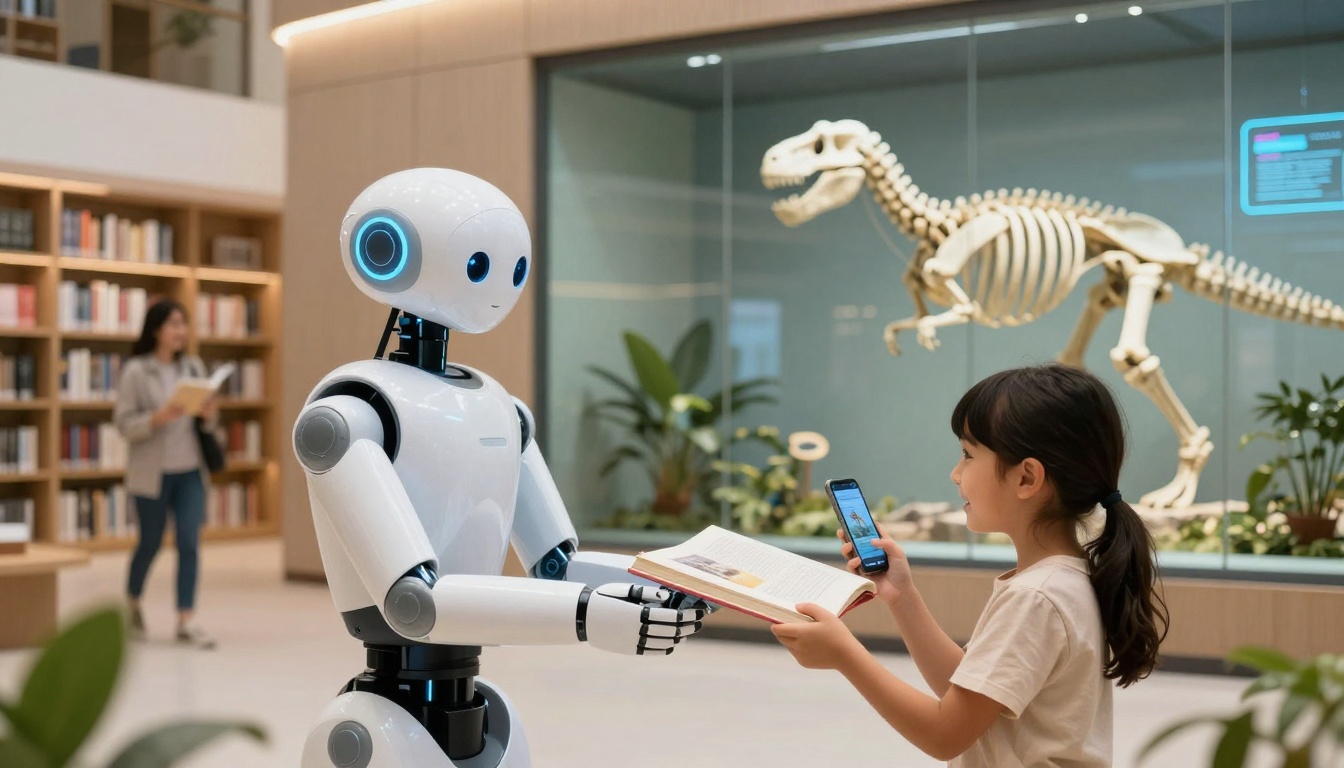
Picture a quiet library corner where a small robot with friendly eyes hands a book to a giggling child. Or a museum hall where your phone screen brings a dinosaur skeleton to life, roaring softly as you wave your hand. These scenes capture how libraries, museums, and cultural spaces shake off their old image as dusty warehouses of the past. Once places for hushed reading or glass-case gazing, they now hum with technology and community energy.
In early 2026, spots across the UK and Europe lead this change. Think AI helpers in libraries or VR tours of ancient worlds in museums. Places like Warwickshire Libraries roll out electric mobile units for green access, while Cambridge University Library blends digital tools with physical spaces. This post explores libraries as tech hubs, museums as immersive playgrounds, cultural centres as lively all-day spots, and the challenges they tackle. From AI robots to AR fossils in Paris, real examples show the shift. Ready to see how your local space might surprise you?
Libraries Turn into Buzzing Tech and Community Centres
Libraries no longer sit as silent book stacks. They mix smart tools, hands-on activities, and open doors to pull in families, elders, and tech newbies. In the UK, Warwickshire Libraries saw visits jump 11 per cent in 2025, with 23 per cent new users thanks to laptop loans and cultural events. Tools like Ex Libris Primo speed up searches with AI smarts, while Alma Specto sorts digital collections fast.
Staff focus on flexible zones. Self-service kiosks let you borrow without queues, and 24/7 lockers hold items for pick-up anytime. Resource sharing through Rapido links libraries nationwide, so a rare book travels quick. Families flock to these spots for more than books. Elders join digital safety classes; kids build with blocks next to coding corners. It’s a place where tech meets real life, bridging gaps for all.
Smart Tech That Makes Visits Quicker and More Fun
Robots like Bibliotheca’s Romi steal the show. With big cartoon eyes, it guides kids to check out books and answers simple questions. SelfCheck kiosks scan items in seconds, and smart shelves alert staff to low stock. BiblioCommons feels like Netflix for books: browse covers, get spot-on picks.
These tools save time and draw crowds. Minnesota libraries add multilingual options and voice guides for access. Everyone wins, from busy parents to those with sight needs. Visits flow smooth, fun amps up.
Makerspaces and Classes That Spark Local Creativity
Makerspaces pack 3D printers, VR kits, and sewing machines. Chattanooga Public Library leads with zones where visitors print custom toys or code simple games. Classes teach digital skills, from app basics to online health checks.
These spots close tech divides. Kids from rough areas craft robots; seniors learn video calls. Health corners offer blood pressure checks alongside story hours. It’s creativity in action, tied to community needs.
Museums Bring History Alive with VR and Personal Touches
Museums fight for attention against screens at home. They use AI, VR, and AR to make history pop. RFID tags track your path for custom audio tours that match your pace. Imagine Paris Natural History Museum: strap on VR to walk with roaring extinct beasts in their lost worlds.
Interactive screens glow in exhibits like the James Bond display, where you scan props for spy facts. Hybrid tours reach seniors via platforms like Senior Planet, blending live streams with chats. Sensors watch climate to protect artefacts, cutting energy waste. Wave your arms to explore virtual ruins. It’s history you touch, not just read.
For deeper ideas on AI’s role, check UNESCO’s report on artificial intelligence and culture.
AI and AR That Tailor the Adventure to You
AI crafts stories just for you. Families hear kid-friendly tales; repeat visitors get fresh angles. Point your phone at a fossil for AR overlays: bones assemble, creatures move.
Belvedere Museum apps guide with voice picks in your language. Motion sensors light paths or trigger sounds. Your visit feels personal, like a mate sharing secrets from the past.
Immersive Setups That Rival Top Video Games
VR headsets pull you in deep. At the Met, explore the Temple of Dendur in sunset glow or Oceania galleries up close, all via immersive VR features. Projectors cast movie props to life in Bond exhibits.
Gesture controls let you dig virtual sites or fly over ancient cities. Paris roars with dinos; it’s games-level thrill without joysticks. Crowds linger, eyes wide.
Cultural Spaces Become All-Day Gathering Spots
Galleries, theatres, and centres morph into hubs that buzz from dawn to dusk. Chicago’s cultural centre mixes library stacks with park greens for picnics and reads. Brussels’ KANAL factory revamps old spaces into art labs with workshops.
Dataland in LA plans AI art shows powered by green servers in 2026. New Museum in NYC adds 60,000 square feet for talks, gigs, and cafes. These spots host performances, film nights, and craft sessions. Plazas fill with chatter over street food and screens. They tie art to health classes and community bonds.
In the UK, ideas like Loughborough University’s Museum of AI Cultures blend tech with shared stories.
Mixing Art with Events and Learning for Everyone
Canyon’s hall stages plays by day, hosts dances at night. Crystal Bridges offers studios for all ages to paint or sculpt. Taichung turns galleries into library hybrids with book nooks amid canvases.
Events draw mixed crowds: yoga in sculpture gardens, talks on local lore. Learning flows free, from toddler rhymes to adult coding. Art lives beyond walls.
Hurdles They Face and Reasons to Stay Hopeful
Funding bites hard. US cuts to IMLS squeeze budgets; UK libraries fight book bans and e-book price hikes. Staff burnout grows from multi-task loads. Yet wins pile up. New Museum expands big; Guggenheim Abu Dhabi rises. UK courts back libraries; voters approve bonds.
Community pushes help. Warwickshire snags Arts Council cash for events. Leeds Uni students pitch ideas like better borrowing tools, with prizes in March 2026. Tech costs drop as tools mature. Holographic displays and generative AI boost visits, per studies on digital museum experiences.
Hope shines in resilience. These spaces adapt, from electric vans to AI catalogues at CILIP conferences. Inclusive designs win trust. The drive to reinvent keeps them vital.
From silent shelves to vibrant hubs, libraries, museums, and cultural spaces weave tech and people tight. They spark joy, learning, and ties in daily life. Visit your local spot this week; spot the changes yourself. Support with a vote or donation. Share your story in comments: what’s reinvented near you? In 2026, expect more growth as communities claim these gems. Culture thrives when we join in.