
Listen to this post: Franchise vs Independent Business in the UK: Key Differences Revealed
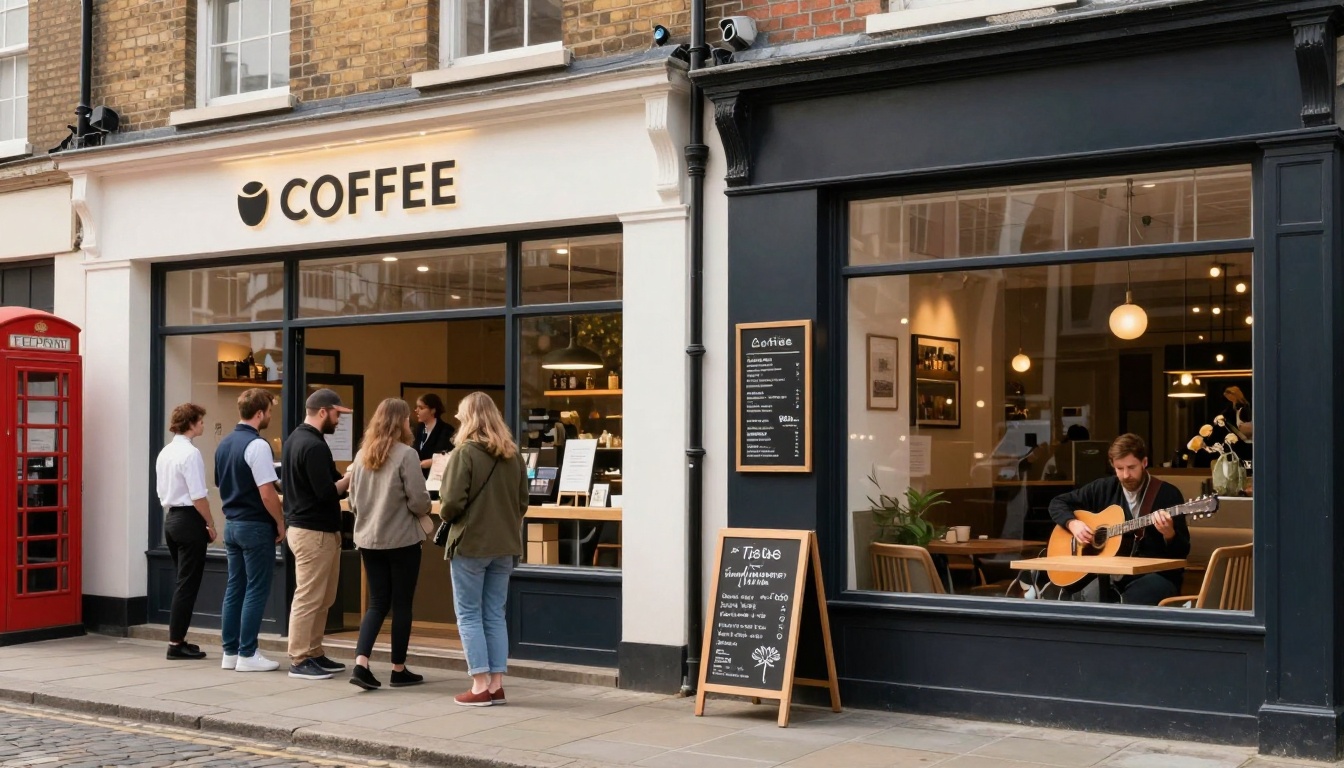
Picture Sarah, who snaps up a coffee franchise on a bustling high street. Customers flock in from day one, drawn by the familiar logo. She follows a clear playbook and turns a profit within months. Now imagine Tom, full of ideas for a quirky cafe with artisan brews and live music. He pours his savings into custom decor, but battles empty tables and supply snags for a year.
A franchise means you pay to use a tested brand and setup, think McDonald’s or a gym like PureGym. An independent business lets you craft it all yourself, like that bespoke bakery down the lane. The big splits come in costs, daily help, control, and risks. Franchises demand upfront cash but hand you a ready path. Independents cost less to start yet force you to learn fast or fail.
In the UK come 2026, shaky markets push folks toward franchises for safety. With inflation bites and consumer caution, proven models shine. This piece breaks down wallet hits, support levels, success odds, and fit for your life. Both routes can build real wealth, but pick what suits your cash, grit, and dreams.
Photo by Kelly
What Costs Will Hit Your Wallet First?
Cash stands as the first big hurdle. Franchises charge steep entry fees for their package, while independents let you dip in lighter but face hidden traps. UK data paints a stark picture. Franchise startups often run £10,000 to £100,000 plus, with ongoing royalties at 4 to 12 per cent of sales and 1 to 2 per cent for marketing. Independents might kick off at £5,000 to £50,000, no royalties, but waste from errors mounts quick.
Banks love franchises. Proven setups snag better loans, yet those fees nibble profits early. Imagine posting royalty cheques each month while independents pocket every pound. Crunch your numbers first. Tools like franchise cost breakdowns from Esquires Coffee show real UK figures for 2026.
| Cost Type | Franchise Example (UK Avg) | Independent Example |
|---|---|---|
| Initial Fee | £10k-£50k+ | None |
| Setup/Equipment | £20k-£100k | £5k-£40k |
| Ongoing Royalties | 4-12% sales | None |
| Marketing Levy | 1-2% sales | Self-funded |
| Total First Year | £50k+ average | £20k-£50k |
This table flags why franchises feel pricey upfront but smoother long-term.
Paying Up for a Franchise Package
Franchise fees cover the lot: rights to the name, site picks, and full training. UK averages hover at £50,000 total startup, per Franchise Association insights. Add kit, refits, and stock. Training runs weeks, often free at head office.
Royalties kick in monthly, say 6 per cent of turnover. They fund central buying and ads. Pros hit predictable: you know costs cold. Cons sting cash flow. Early months, bills outpace sales. Yet in 2026’s tight economy, this structure shields you. Low-end options like van services start under £20,000.
Spending Smart on Your Own Venture
Independents dodge big fees. Rent a unit for £1,000 monthly, stock shelves for £5,000, market via socials cheap. Total entry stays low, often £20,000. You control spends: swap suppliers, tweak menus free.
Flex shines here. Test ideas without approval. But trials cost. Bad stock rots, ads flop. No bulk deals mean higher prices. In UK high streets, independents scrape by on savvy budgets. Freedom tempts, yet errors drain fast.
How Much Help Can You Expect Day to Day?
Support makes or breaks new owners. Franchises hand you manuals, trainers, and suppliers from launch. You hit profits quicker, like those fast-food spots humming by week two. Independents mean solo grind: source stock, craft ads, fix woes alone. Picture flipping handbook pages versus midnight Google hunts.
Franchise speed shows in UK chains. A coffee outlet trains staff uniform, pulls group ad power. Independents build slow, errors pile. Daily ops decide if you sleep or stress.
Franchise Backing That Keeps You on Track
Head office runs training: two weeks on recipes, service, tech. Ops manuals spell every step, from stock checks to staff rotas. Suppliers lock low prices via bulk buys. Marketing rolls national campaigns you join free.
Mistakes drop sharp. UK examples like Domino’s franchisees average £14,000 weekly sales thanks to this net. In 2026, remote audits and apps keep you aligned. It’s like a safety rope on a steep climb.
Building Your Support Network from Scratch
You hire experts piecemeal: accountants, marketers local. Learning hurts: burn first stock batch, lose a key supplier. Join networks like Federation of Small Businesses for tips.
Freedom rules. Tailor service your way. But isolation bites. Evenings stretch fixing boilers solo. UK independents thrive on grit, local ties. Build slow, own full.
Which Path Offers Better Odds of Success?
Numbers don’t lie. UK franchises boast 92 per cent survival past four years, near 99.5 per cent overall success. Independents limp at 47 per cent survival, 50 to 60 per cent fail in three to five years. Brands and systems win out.
2026 trends favour franchises amid uncertainty. Multi-unit owners rise, sectors like wellness boom. Success rate comparisons back this. Over £19 billion market, 50,000 units strong.
| Aspect | Franchise Pros | Franchise Cons | Independent Pros | Independent Cons |
|---|---|---|---|---|
| Survival Rate | 92-99.5% high | Fees cut margins | Full profit keep | 47% low survival |
| Brand Power | Instant trust | Rules bind | Unique appeal | Build from zero |
| Risk Level | Low, proven model | Less control | Total freedom | High trial errors |
Weigh your risk gut here.
Hard Numbers on Franchise Wins
British Franchise Association logs 89 per cent profitable units. Four-year survival tops 92 per cent versus 47 per cent independents. Why? Brand pulls crowds, systems cut waste. Haus Maids data flags 99.5 per cent success.
In downturns, support shines. 2026 sees growth despite wobbles, per real-time reports.
Real Risks of Independent Starts
Half crash in five years from cash crunch, poor marketing. Yet hits like unique cafes build loyal fans. No rules spark innovation. Balance: grit beats odds sometimes.
Does a Franchise or Solo Biz Fit Your Life?
Match your style. Risk-shy with £50,000? Grab a franchise. Love tweaks, got hustle? Go independent. Cash rules first: franchises need more upfront. Skills count: follow orders or invent?
Goals matter. Quick cash flow screams franchise. Legacy brand yells solo. UK 2026 economy tips safe bets. Quick check: Follow rules easy? Franchise yes. Experiment joy? Independent.
Personalise your path.
In wrapping up, franchises trade cash and rules for speed, support, and strong odds. Independents gift freedom and full rewards amid higher risks. No one-size-fits-all. Research UK options like Barking Mad or Dream Doors, or scout indie ideas.
Both forge success with smart picks. Start today: list your budget, skills, dreams. Tailor your CurratedBrief feed for more business insights. What’s your next move?
(Word count: 1,482)