
Listen to this post: The Fight for Workers’ Rights in Global Supply Chains
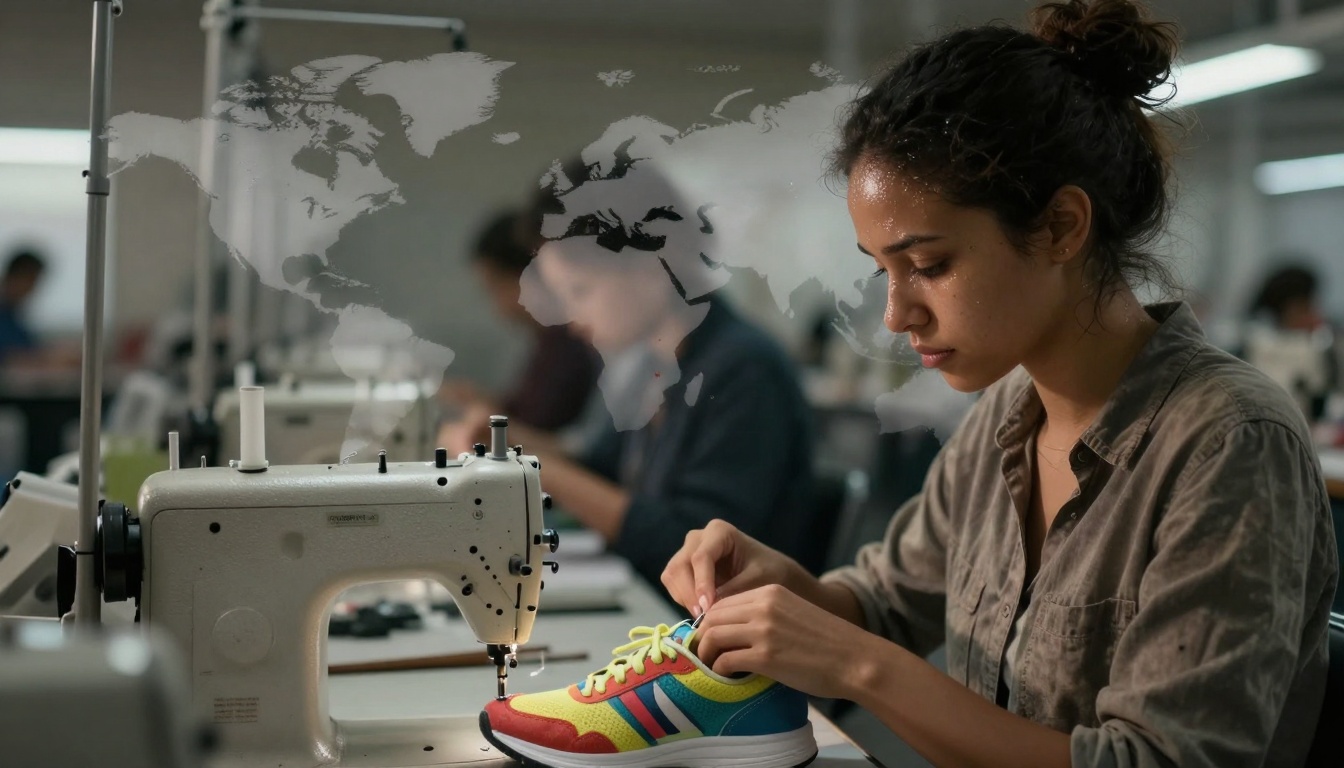
Picture a young woman in a dim factory halfway across the world. Sweat soaks her shirt as she stitches trainers for hours under flickering lights. She earns pennies, far below what keeps her family fed. That pair ends up on a shop shelf near you, cheap and shiny. This scene plays out daily in global supply chains that feed our phones, clothes, and food.
Workers fight for fair pay, safe jobs, and freedom from forced labour. Pressure builds in early 2026. The EU’s Forced Labour Regulation, in force since December 2024, bans tainted goods from sale by December 2027. The US Uyghur Forced Labor Prevention Act blocks imports linked to abuse in China. Shoppers and brands feel the heat too. Companies face fines up to 4% of sales; we pick products that match our values.
This post uncovers the harsh realities workers endure, fresh laws forcing change, and how giants like Apple and Nike respond. You’ll see why these battles matter and what comes next.
The Big Problems Workers Face in Today’s Supply Chains
Workers in global supply chains battle grim odds. Factories churn out electronics parts in China with grimy air and endless shifts. Fast fashion plants in Bangladesh pack hundreds into rooms where machines roar non-stop. Farms in Brazil force pickers under scorching sun for scraps.
Costs drive this mess. Brands chase low prices, so suppliers squeeze labour. In 2026, reports flag high risks: child labour in apparel hits 160 million kids worldwide. Tech supply chains show forced labour in 20% of audits. Workers suffer exhaustion, illness, and debt traps.
Ever wonder where your new trainers come from? Workers’ rights in global supply chains hang by a thread because oversight lags. Buyers see cheap tags; workers see danger. Rising checks help, but gaps remain wide.
Forced Labour: The Hidden Cost of Cheap Goods
Forced labour hides in plain sight. People toil without choice, bound by debts or threats. The EU’s regulation targets this, banning goods from December 2027. Check the EU’s official Forced Labour Regulation page for details on bans.
In China, Uyghur camps feed cotton and tech parts into chains. US acts slap tariffs and blocks. Sectors like solar panels and tomatoes top risk lists. Workers lose years; brands risk seizures. Cheap goods carry blood.
Wages and Safety Gaps That Keep Workers Trapped
Pay stays rock bottom. Many earn under living wage: £2 a day in Vietnam factories mirrors Nike suppliers. Campaigns push for £10 baselines, but bosses resist.
Safety fails too. Rana Plaza’s 2013 collapse killed over 1,100; echoes linger in 2026 with loose wires sparking fires. Apple suppliers report 60-hour weeks, fainting spells. Accidents claim lives yearly. Workers strike, but retaliation follows. Traps tighten as families depend on meagre cheques.
New Laws Shaking Up How Companies Source Worldwide
Laws hit hard in 2026. The EU demands full traces from farm to shelf. Companies map every link or pay steep fines. Picture boardrooms buzzing with spreadsheets and AI scans.
The Corporate Sustainability Due Diligence Directive rolls out mid-year, tying rights to risks. US states add bans; trade pacts like USMCA fund fixes. Suppliers split from bad zones. Benefits flow: safer jobs, steady pay.
Firms scramble. They audit deep, train staff, and drop risky partners. Workers gain voice through hotlines. Change spreads as investors watch.
EU Rules: From Bans to Full Supply Chain Checks
EU rules ramp up. Entered force December 2024; bans start 2027. Nations appoint enforcers by December 2025. A portal lists risks; firms submit data.
Guidelines drop June 2026 on checks for debt bondage or kids at work. All products count, even online sales. See this analysis of EU compliance obligations for business steps.
Authorities probe, withdraw goods, destroy stock. Fines sting at 4% of EU sales. Firms separate tainted items early. By 2027, clean chains rule.
US Moves: Tariffs, Bans, and Funding for Fixes
US strikes back. The Uyghur Act, since 2022, detains Xinjiang-linked goods like cotton shoes. 2025 saw more holds; 2026 pushes deeper maps.
States ban imports; $23.4 million aids fixes. Tariffs bite solar and apparel. Funds train suppliers, build tech traces.
Imports drop from risks. Companies diversify to Vietnam, prove clean paths. Workers in safe spots thrive as bad actors fade.
Spotlight on Industries Leading the Change – or Lagging Behind
Industries vary. Electronics lines hum with robots, but humans lag in heat. Fast fashion sweatshops sew at dawn. Farms track fruit with satellites, yet pickers bend endlessly.
Investor pressure mounts. Firms add complaint lines, train on rights. Trends show AI spotting risks early. Progress mixes with pain.
Picture crowded benches in Shenzhen: fingers fly on phone screens. Or Dhaka looms where fabric dust chokes air. Change brews, slow but sure.
Tech and Phones: Apple’s Supply Chain Under the Microscope
Apple stares down heat. China plants risk Uyghur ties and long hours. 2025 audits shifted lines to India.
They add forced labour clauses, use AI for maps. No EU bans yet, but prep ramps. Workers push for 48-hour caps; Apple trains suppliers. Scrutiny sharpens.
Fast Fashion and Trainers: Nike and Factory Nightmares
Nike battles child labour shadows and low pay. Xinjiang cotton triggered US holds; they audit, trace with tech.
Southeast shifts cut risks. EU due diligence fits 2027 bans. Factories still pack tight, but hotlines let voices rise. Nightmares ease as maps tighten.
Supply chains stretch far, but cracks show. Workers demand more amid laws like the EU ban and US blocks. We’ve seen forced labour’s toll, wage traps, and safety voids. Giants adapt with audits and shifts.
Support ethical brands. Check labels, back campaigns. Ask: does this trainer chain treat people right? Tech and pressure promise wins.
In 2026, a worker wipes sweat, clocks fair hours, pockets living pay. Brighter days loom as scrutiny holds. Stay tuned for shifts. Thanks for reading; share your thoughts below.