

Listen to this post: How to Spot Industries Where Tech Hasn’t Arrived Yet
Picture this: a plumber named Tom spots his mates in the building trade still scribbling job quotes on scraps of paper. Customers ring up, wait ages, then get a handwritten note. Tom builds a basic app for instant quotes and bookings. Within months, he pockets steady cash from subscriptions. Stories like Tom’s pop up often. Industries slow to grab tech leave gaps wide open for smart apps, tools, or services. Spot them, and you unlock fresh business ideas or solid investments.
In 2026, these spots shine brighter amid AI buzz elsewhere. Factories chug on old lines. Council offices drown in forms. Trades folk rely on phone lists. This post breaks it down. You’ll learn clear signs of tech holdouts, like paper trails and manual checks. Real UK examples draw from fresh data on manufacturing slumps and government lags. Plus, simple steps to test ideas yourself. Grab a chance before big players wake up.
Spot These Obvious Clues That Tech Has Not Caught Up
Walk into a business and scan for tech voids. Workers jot notes by hand. Phones ring non-stop for simple bookings. Stock sits unchecked till someone counts it. These clues scream low adoption. In 2026, with AI tools everywhere else, such sights point to ripe fields for disruption.
Here are five standout signs:
- Paper everywhere: Invoices, logs, receipts all handwritten. A local builders yard might tally sales on clipboards daily.
- Phone-only bookings: No apps or websites. Customers dial, chat, book. Think small repair shops where lines jam peak times.
- Manual stock tallies: Staff roam aisles, count items by eye. No scanners or software updates.
- Basic tools rule: Workers use tape measures, not laser apps. Or pen-and-paper rotas instead of shared calendars.
- Repeat gripes: Folks moan about waits or errors, yet no fixes show.
Each flag low tech use and huge space for apps. Take paper: digital forms cut errors by half overnight. Phones beg for chatbots. In 2026 trends, AI skips these spots due to habit or cost fears. Observe close, and patterns emerge fast.
Workers Stuck in Manual Tasks
See hands busy with repeat jobs. Files sorted by folder. Measurements taken with rulers. In construction, bricklayers eye levels without apps. Agentic AI could swap this for voice commands soon, but it hasn’t landed yet. A site worker hauls tools sans tracking software. Frustration builds as hours waste. Spot these, and picture apps that free time for real work.
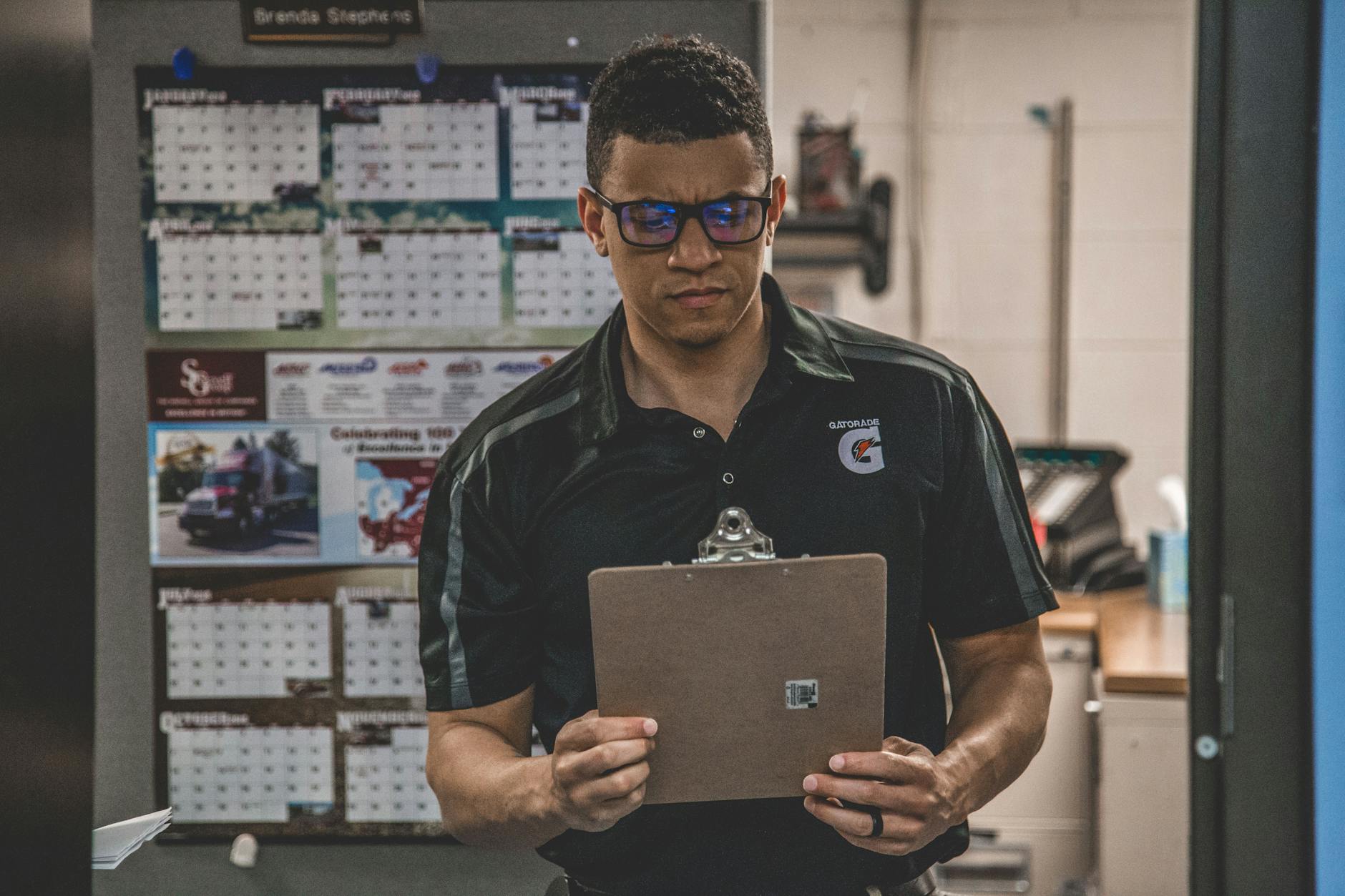
Photo by Craig Adderley
Old Systems That Slow Everything Down
Legacy setups grind progress. Ancient computers crash mid-task. No online slots mean hold music hell. UK government offices score low, around 2.5 out of 5 on digital fronts. Customers queue or wait days for forms. Paint the scene: a caller hangs on 20 minutes for a permit. Tech lags here breed customer ire and lost cash.
Check Out Industries Ripe for Change Right Now
Some sectors trail far in 2026. Data paints the picture. UK manufacturing ranks 24th worldwide in robotics, with just 112 robots per 10,000 workers. That’s half the EU average of 208. Only 10% run full digital factories. Customer service clings to calls over AI. Government pushes plans, but paper lingers. Skill shortages and costs stall progress. Early fixes peek through, like basic sensors.
For deeper stats on British industry lagging in robotics and AI, check recent reports. These fields offer clear shots at gains.
Manufacturing: Factories Slow to Go Smart
Old lines hum with manual oversight. Workers tweak machines by feel. Robots arrive late. UK SMEs, about 20,000 of 27,000, skip them entirely. Barriers stack: no easy loans, skill voids, change fears. Yet AI sensors spot faults early. Caterpillar teams with Nvidia for such tools. Jobs shift to tech roles that pay more. Picture a factory floor: sparks fly, but data dashboards glow dim. Catch up could boost output 22%. In 2026, first apps for small tweaks lead the pack.
Government and Trades: Paper Piles and Phone Queues
Councils stack forms high despite AI pledges. Trades like plumbers book via scribbles or calls. No shared apps track jobs. Customers fume at delays. Government eyes hubs with £52 million for robotics help by late 2026. Trades lag on digital quotes. Agriculture echoes this, but data spotlights builds. See a builder’s van: tools jumble, no inventory app. Queues form for council slots. Basic online portals emerge, but slow. These holdouts crave simple fixes.
Dig Deeper to Confirm a Tech Gap
Clues grab eyes, but verify. Step one: visit sites. Chat with staff at a factory or yard. Ask how they track stock or book jobs. Listen for sighs over paper slips.
Next, eye job ads. Basic skills like “good with numbers” signal no software needs. Scan forums. Workers vent on Reddit about endless calls. Check online presence. Bare sites or none mean low tech.
Peek at rivals. Few apps in plumbing? Green light. Free tools like Google reviews show complaint patterns. Avoid guesses; test small. Build a mock app, share with a few. Feedback flows quick.
Spot first movers too. A trade firm with basic scheduling? Scale follows. Imagine Tom’s app again: chats led to tweaks, then sales. In 2026, act local. Scout your high street this week. Wins await the bold.
Wrapping It Up: Hunt Tech Gaps and Strike First
Key signs stick out: paper floods, phone jams, manual slogs. Industries like manufacturing trail with slim robot counts. Government and trades pile delays. Steps confirm: visit, chat, scan ads.
Now scout spots near you. A builders yard? Council queue? Test an idea fast. 2026 brings big wins for early birds as AI hubs roll out. Share your finds in comments below. What gap calls to you? Act now, build tomorrow.
(Word count: 1487)