
Listen to this post: How Demographic Shifts Reshape Politics in Ageing and Youthful Societies
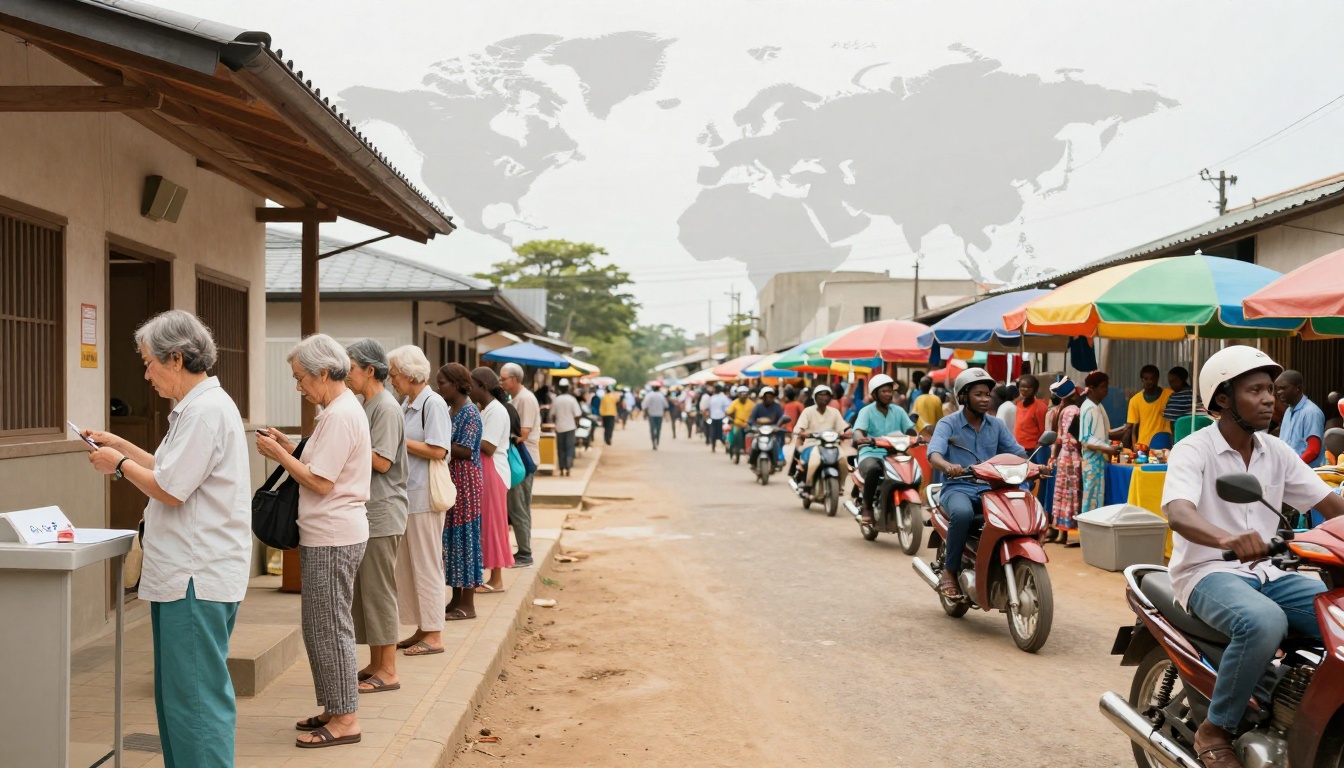
Picture quiet streets in Japan where elderly voters gather at polls, their main worry fixed on secure pensions amid empty playgrounds. Now imagine bustling markets in Nigeria, alive with young crowds chanting for jobs and real change as motorbikes weave through the throng. These scenes capture a global split. In January 2026, demographic shifts define politics like never before. Ageing societies such as Japan count 30% of people over 65, while youthful ones like Nigeria boast a median age of just 18.
Japan’s birth rate sits at 1.22 children per woman, South Korea’s at a world-low 0.73. Contrast that with Nigeria’s high fertility, fuelling rapid growth. Italy sees 23% over 65, its population set to drop 12.5% by 2050. These changes flip political priorities. Older nations face worker shortages; younger ones battle youth jobless rates over 30%. The result? Policy battles over budgets, borders, and futures that swing elections and strain alliances. We must track these forces as they alter power worldwide.
Grey Power Takes Hold in Ageing Nations
Japan, Italy, Germany, and South Korea grapple with shrinking numbers and more retirees than ever. Fewer babies mean fewer workers tomorrow. Clinics overflow with patients who live longer, thanks to better medicine. Governments scramble to balance books as taxes from the young fund care for the old.
The Numbers Driving Policy Panic
Japan leads as the oldest nation, with 30% over 65 and a population decline since the 1990s. Italy follows at 23% seniors, birth rate 1.21, heading to 52 million people by 2050. South Korea’s fertility hit 0.73; Germany ages fast too, birth rate 1.45. Life expectancy climbs, but working-age adults (20-64) plunge, Japan’s to 60% of 2000 levels by 2050. Dependency ratios soar, 55 retirees per 100 workers in Japan now, 81 by mid-century.
Pensions, Health, and the Immigration Debate
Budgets strain under pension and health costs. Japan pushes family caregivers and robots to cope. South Korea and Japan resist big immigration, keeping foreign-born under 5%. Germany and Italy open doors wider to fill jobs, yet face backlash. For strategies on thriving amid ageing, check BCG’s analysis on ageing populations. These choices spark rows over who pays and who stays.
Older Voters Calling the Shots
Seniors vote in droves, turnout far above the young. They demand stable pensions and health safeguards, blocking risky reforms. Policies protect retirements first. Leaders listen, or lose seats.

Photo by Rosemary Ketchum
Youth Waves Reshape Politics in Young Lands
Turn to Nigeria, India, Indonesia, and Pakistan, where youth dominate. Over 85% under 65, median ages 18 to 30. High births like Nigeria’s keep populations swelling. Crowds fill Lagos streets, voices rising for opportunity amid 30% youth unemployment. Protests erupt, leaders topple if they ignore the bulge.
A Surge of Young Faces and Frustrations
Nigeria’s median age hovers at 18, India and Indonesia ride youth booms with strong working-age growth. Pakistan stays youthful too. Unemployment bites hard, 30% in Nigeria, 20% in Indonesia. Education gaps widen anger. These nations pull global population up, unlike shrinking peers. See the UN’s take on shifting demographics for the big picture.
Protests and Power Grabs by the Young
Unrest boils over. In Indonesia and the Philippines last year, youth rallied against job scarcity, swaying votes left. Nepal and Peru saw leaders fall to street fury in 2025. Young ballots push mental health and work rights. Apathy lurks, as in recent US midterms, but frustration builds fast.
What Youth Want from Leaders Now
Jobs top the list, then housing and schools. Mental health gains traction too. Unlike elders’ focus on security, youth chase bold futures. This sets up clashes, like immigration fights where young nations send workers north.
Ageing lands guard their nest eggs with pension locks and slow borders. Youthful spots chase growth through jobs and schools, risking unrest if leaders fail. These divides fuel global tensions, from worker flows to trade rows. By 2026, expect youth uprisings or elder vetoes in key votes.
Watch these shifts hit your own politics. Balanced policies that bridge ages, like shared jobs or family aid, offer hope. Picture mixed crowds at polls, old and young voting side by side. Smart leaders unite them for steady progress. What changes will you see first?