
Listen to this post: 10 Things to Understand If You Want to Be a Better Global Citizen
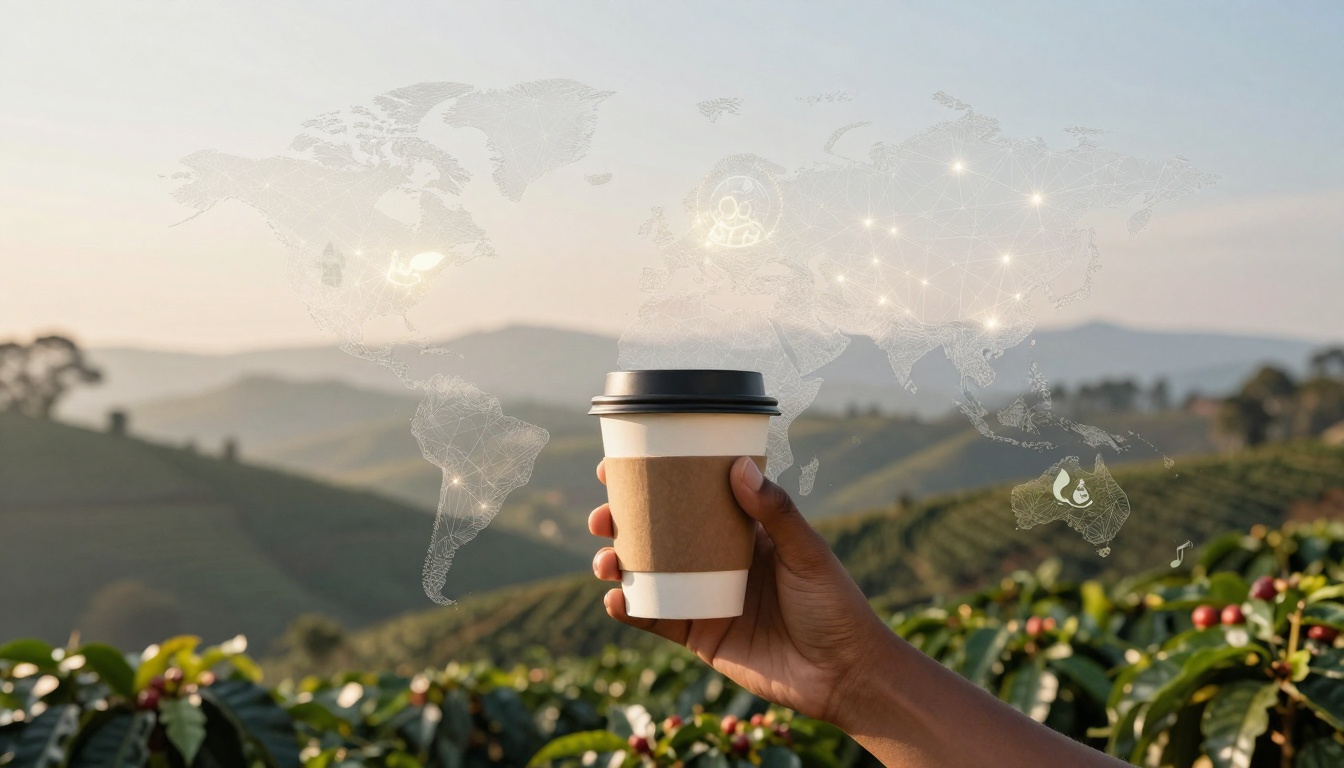
Your morning coffee might start on a hillside thousands of miles away. Your phone, your jeans, the music you stream, even the air you breathe, they all carry fingerprints from other places. The world isn’t “out there” any more. It’s in your basket, your feed, your commute, your bin.
A global citizen is simply someone who cares about people and planet beyond their passport, and acts on that care in steady, realistic ways. Not perfectly. Not loudly. Just on purpose.
This guide gives you 10 clear things to understand if you want to be a better global citizen, without guilt-trips or grandstanding. Think of it like learning to read the labels on life: where things come from, who pays the cost, and what you can do next.
See the world as connected, because your choices don’t stay local
Photo by Lara Jameson
If you want to be a better global citizen, start with a mental shift: your life is stitched to other lives. That sounds lofty, but it shows up in basic stuff. A cheap T-shirt, a next-day delivery, a weekend flight, a “free” app funded by ads, a steak, a new handset because the battery’s tired.
1. Connection beats distance. You don’t need to travel to affect other places. Your spending, sharing, and voting already travel for you.
2. Supply chains aren’t abstract. They’re people, contracts, fuel, water, and laws. When something costs very little at the checkout, someone else usually pays somewhere else.
3. Small actions pile up. One person’s waste feels tiny. A million people doing the same thing becomes a river of plastic, a shift in demand, a change in what firms think they can get away with.
None of this is about shame. It’s about steering. Like driving on ice, you don’t slam the brakes and hope. You ease off, you look ahead, and you choose the next safest move.
Interdependence is real: trade, travel, and tech tie us together
Picture one product you touch daily, your phone. The chain often begins with mined metals, then parts made in different countries, then assembly, then shipping, then retail, then e-waste. Along the way are workers, safety rules (or lack of them), energy use, and the rights people have to refuse unsafe jobs.
The same pattern shows up in food and clothes. Coffee can link farmers, local buyers, international traders, shipping routes, and supermarket pricing. Even streaming a film isn’t “weightless”. Data centres and networks use electricity, and that electricity comes from somewhere.
Seeing interdependence clearly is a skill. It turns global issues from distant headlines into practical questions: Who made this? Under what conditions? What happens when I’m done with it?
Responsibility beats perfection: pick a few actions you can keep doing
4. Consistency matters more than big gestures. A one-off donation and a dramatic post can feel good, then fade. A habit, even small, changes your footprint over time.
Choose a handful you can stick with:
- Buy fewer new items, repair when you can, and re-sell or donate thoughtfully.
- Reduce food waste, it’s money and emissions in one bin bag.
- Support companies that publish clear supply-chain and labour standards.
- Give time or skills locally to organisations doing global-facing work.
- Vote with global impacts in mind, because policy shapes what markets do.
A better global citizen isn’t a person who does everything. It’s a person who keeps showing up.
Learn the rules of fairness, human rights, and respectful curiosity
Global citizenship isn’t just “being nice”. It has a backbone: the belief that people have worth, even when borders, cultures, and laws differ. That’s where human rights and fairness come in.
5. Human rights are the baseline. Not a Western trend, not a debating club topic, but a practical floor: safety, dignity, freedom from discrimination, and a fair shot at life.
6. Fairness isn’t charity. Charity can be needed, but fairness asks harder questions: Who benefits? Who carries the risk? Who gets a voice?
This is also where global citizenship can go wrong. People can slip into “saviour” thinking, where the point becomes feeling heroic rather than being useful. A safer approach is respectful curiosity: learn, listen, and support what communities say they need.
For a grounded framework on education and responsibility, see an educational framework for active global citizens.
Human rights are the baseline, even when laws differ
Something being legal doesn’t make it right. History is full of legal discrimination, censorship, and violence. When we talk about rights, we’re talking about what should not be negotiable.
That includes:
- Freedom from discrimination, whether based on race, sex, religion, disability, sexuality, or class.
- Safety and bodily autonomy, including freedom from violence and exploitation.
- Freedom of expression and belief, so people can speak, organise, and practise faith without fear.
- Fair work, where people aren’t trapped by debt, coercion, or dangerous conditions.
Caring about abuses abroad isn’t “interfering”. It’s recognising that harm has ripple effects, from forced labour in supply chains to instability that fuels displacement. It also sets a standard at home. If you ignore it elsewhere, it’s easier to accept it creeping in locally.
Cultural respect is a skill: listen, ask, and drop stereotypes
7. Respect is something you practise, not something you declare. It’s as learnable as cooking.
Start small and keep it real:
- Learn how to say people’s names properly (and try again if you get it wrong).
- Avoid jokes that punch down, they don’t make you “edgy”, they make you careless.
- Ask before sharing someone else’s story or photo, especially if it involves trauma.
- Watch for “single story” thinking, where one headline becomes your whole view of a country.
- Be open to being corrected without making it a performance.
Curiosity without humility becomes tourism. Humility without curiosity becomes silence. Better global citizens hold both.
Understand today’s big global pressures, so you can act with clarity
Headlines can feel like a firehose. In 2026, the big pressures are familiar, but sharper: climate disruption, displacement, conflict, health risks, and an information environment shaped by algorithms and AI.
The point isn’t to panic. The point is to understand enough that your actions match reality.
A quick snapshot from January 2026 reporting and analysis: recent years have stayed unusually hot, with extreme weather hitting multiple regions, while clean energy build-out has also accelerated. The world can hold bad news and progress at the same time. Holding both keeps you steady.
Climate and sustainability shape everything from food to floods
8. Climate change is already a daily-life issue. It shows up in food prices, insurance costs, water stress, and more frequent extremes. When floods hit, or heat knocks out crops, it’s not just “weather”. It’s systems under strain.
In the UK context, adaptation is now a central topic, not an optional extra. The UK Climate Change Committee’s adaptation progress report explains where the country is exposed and what needs to improve.
What can one person do without pretending it’s all on them?
- Cut energy waste at home (heat, hot water, standby power).
- Drive and fly less when you can, and take the slower option sometimes.
- Eat with a lighter footprint more often, not perfectly.
- Support local and national policies that speed up clean energy and protect nature.
- Treat nature as infrastructure, because it is. Biodiversity loss can affect security and stability, a point discussed in BBC reporting on nature loss and security risks.
If you want a simple rule: reduce what you burn, waste, and bin. Then vote for systems that make that easier for everyone.
Migration, conflict, and geopolitics are about real people, not headlines
9. People don’t leave home for fun. They move because staying becomes impossible: war, persecution, hunger, or disaster. Sometimes it’s a slow squeeze, failed harvests, job collapse, rising rents after storms. Sometimes it’s sudden.
It helps to separate the person from the politics. Governments argue about borders. People look for safety, work, and a future for their kids.
You can build empathy without falling for simplistic stories:
- Read beyond one outlet and look for local voices.
- Support charities and community groups that help refugees settle and access basics.
- Back peaceful solutions and credible aid, not performative outrage.
For a deeper look at the ethics of climate-related movement, the Carnegie Council has a discussion on climate migration and future considerations. If you want the policy mechanics, the UNFCCC’s technical guide on human mobility and climate change shows how governments can plan for displacement with dignity.
Finally, keep an eye on how your own country frames international development. The UK’s priorities shape real outcomes, and the House of Commons Library outlines these pressures in global issues for 2026.
Turn values into daily practice: how better global citizens show up
Understanding is only half the job. Global citizenship becomes real when it shows up in what you repeat.
Think of your influence like four taps you can turn on:
- Time (volunteering, mentoring, community support)
- Money (ethical spending, steady donations, pension choices)
- Voice (conversations, contacting representatives, speaking up at work)
- Skills (translation, design, teaching, coding, organising)
You don’t need all four. Pick your lane, then stay in it.
Be hard to trick: spot misinformation and check sources before sharing
10. Media literacy is now a civic skill. AI-made images, clipped videos, and rage-first headlines can push anyone off balance.
Use a quick five-step check before you share:
- Pause. If it spikes your anger or joy, slow down.
- Check the date. Old stories get recycled to stir people up.
- Check the source. Who published it, and what do they gain?
- Find a second outlet. One post isn’t proof.
- Watch the framing. Emotional bait often hides missing context.
This isn’t about being cynical. It’s about being calm enough to choose truth over speed.
Use your money, vote, and time to support the world you want
Ethical buying doesn’t mean you must afford the priciest option. It means you think in totals, not labels. Buy less, keep items longer, and pay attention to what you replace often.
A few steady practices help:
- Choose fairer options where they fit your budget (coffee, tea, chocolate, basics with known supply risks).
- Donate thoughtfully to groups that publish clear results, then set a small monthly amount.
- Contact your local MP about issues with global impact (climate policy, aid, refugee support).
- Join local projects that connect to global goals (food banks, repair cafés, community energy, school support).
Global citizenship is rarely dramatic. It looks like turning up, again and again, with your eyes open.
Conclusion
Being a better global citizen starts with one honest thought: your life is linked to other lives. From there, you don’t need guilt, you need practice. Learn how systems connect, treat human rights as the baseline, stay curious without stereotyping, and keep your head clear in a noisy information world.
This week, choose one issue to learn properly, then choose one small action you can repeat. Make it boring enough to stick, and meaningful enough to matter. The world changes when ordinary people act like connection and dignity are real, because they are.