
Listen to this post: How to Avoid Travel and Flight Scams Targeting Last-Minute Deals
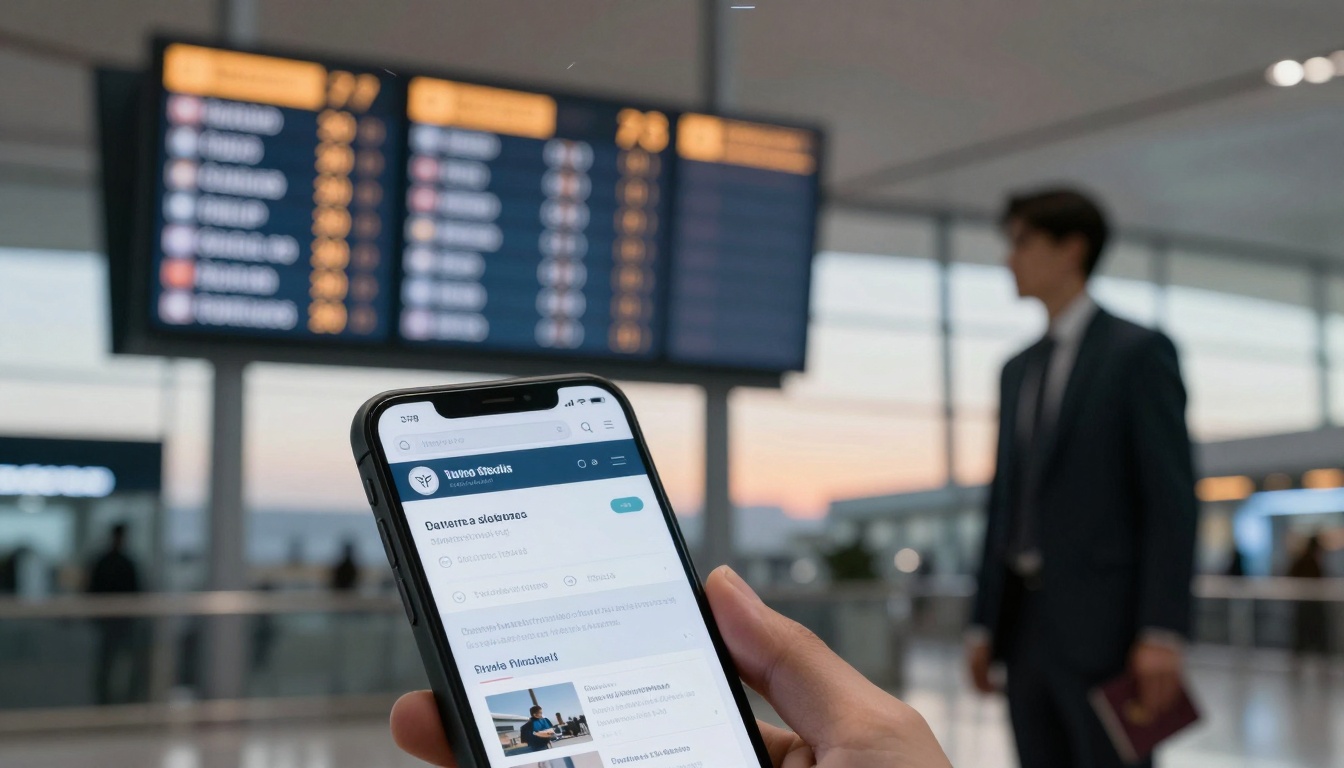
Picture this: Dan Smoker from Denver stared at his phone after United Airlines cancelled his flight. He searched Google for the airline’s support number. The top result looked official. He called, spoke to a smooth agent named David who rebooked him on another flight and took $17,000 from his account for “fees”. It was all a scam. Stories like Dan’s fill news feeds in January 2026, as scammers hunt rushed travellers chasing cheap last-minute seats.
These crooks love the chaos of sudden deals. They use AI to clone voices that sound just like airline staff. Fake websites pop up with rock-bottom prices. Phony texts scream “your flight is gone, rebook now”. Holiday rushes make it worse, with more bookings and less time to think. The FTC warns of these traps, and groups like Action Fraud report a spike.
You can spot them. This guide shares real examples from recent cases. It covers common scams, warning signs, safe booking steps, and recovery plans. Follow these, and you’ll grab bargains without the risk.
Photo by Torsten Dettlaff
Common Scams That Prey on Bargain Hunters
Scammers smell blood when you hunt last-minute flights. They know you’re in a hurry, wallet open, eyes on the clock. In 2026, fake Google ads for airline numbers top searches. AI texts buzz your phone with bad news. Bogus sites promise seats for pennies. Even airport QR codes lead to traps. These hit hard because panic clouds judgement. One click, and your money vanishes.
Take Dan Smoker’s case. His cancelled flight led him to a scammer’s line. The fraudster kept him talking, built trust, then drained his card. Similar tricks stole thousands from families over Christmas. Or imagine a text: “Flight delayed. Click to rebook.” It funnels you to a clone site that grabs your details. AI makes calls sound real, with voices pulled from old videos. At airports, hustlers push rigged taxis or fake help desks, preying on jet-lagged arrivals.
Phony sites mimic Ryanair or EasyJet perfectly, but tweak the URL just enough. They vanish after you pay. Stats show these scams doubled last winter, as bargain fever peaked. Scammers sit in call centres, scripts ready, waiting for your Google slip.
Fake Phone Numbers at the Top of Search Results
Google lets ads buy prime spots. Scammers pose as airline partners. You call, they say “pay a fee to confirm”. One family rang a fake British Airways line after a delay. The agent transferred funds for a “refund hold”, then ghosted. Always skip search results. Go straight to the airline’s site for the real number. This simple switch stops most phone scams cold.
Phony Texts and Alerts Pushing Quick Rebooks
Your phone pings: “Urgent: flight cancelled. Rebook here.” It’s AI-crafted, full of errors but packed with panic. Links lead to fake pages that harvest cards. Ignore them. Open your airline app instead. Check status there. Real airlines rarely text links; they use apps or emails from known addresses.
Red Flags No Smart Traveller Ignores
Last-minute chases blind you to tricks. But certain signs scream fraud. Think of them as alarm bells in a quiet room. Demands for instant cash top the list. No real airline pushes wire transfers or gift cards. Unsolicited calls from “support” feel off because they know your booking details too well.
Stories prove it. A man got a WhatsApp from “BA rebooking”. It urged quick payment for a seat. He lost £2,000. Links in texts rarely come from legit sources. Deals slashing 90% off scream fake. Pressure to share full card numbers seals the deal. Build this checklist in your head: if it rushes you, ghosts verification, or begs odd payments, walk away.
These flags matter because scammers bet on your haste. Spot them early, and you stay safe. For more on travel pitfalls, check the FTC’s guide to avoiding scams when you travel.
Urgent Demands and Unsolicited Contacts
“Pay now for your refund tomorrow.” That’s the hook. Surprise texts or calls add fear. Hang up. Call back from the official site. Real staff won’t chase you; they’ll wait for your contact.
Websites and Deals That Look Too Perfect
Stolen logos, no padlock icon, reviews from bots. URLs like “britishairines.com” fool eyes. Compare to the real one. If prices beat all rivals by miles, it’s bait.
Safe Steps to Snag Last-Minute Deals Without Worry
Book smart, not fast. Start with airline apps. They push real deals first, no middlemen. Skip Google for numbers; bookmark official sites. Ryanair, EasyJet, British Airways all have apps with live alerts.
Pay with credit cards only. They offer chargeback protection if things go wrong. Avoid wires, crypto, or prepaid cards; banks can’t claw those back. Preschedule rides via Uber or official airport taxis. Cover keypad when entering PINs at cash machines.
Here’s your step-by-step plan:
- Hunt deals on airline sites or trusted apps like Skyscanner. Set price alerts.
- Verify any contact: use numbers from their homepage, not searches or messages.
- Check sites for HTTPS padlock and exact spelling. Test with a small booking if unsure.
- At airports, stick to marked taxis or apps. Scan nothing from strangers.
- Enable two-factor on accounts. Monitor statements daily during trips.
This routine takes seconds but saves fortunes. One traveller dodged a fake QR code by walking to info desks. Credit cards reversed his test charge on a phony site. Follow the FTC’s spring break scam tips for extras. Travel light on trust, heavy on checks.
What to Do If a Scam Gets You Anyway
It happens. Act fast. First, call your bank. Credit cards let you dispute charges within days. Wires? Tougher luck. Change all passwords linked to travel accounts.
Report to the airline; they flag patterns. File with Action Fraud in the UK or FTC in the US. Police help if sums are big. Monitor credit reports free weekly.
Recovery tales inspire. Dan Smoker got most back via bank fights. A woman reclaimed £1,500 after reporting a fake site. Stay positive: quick moves limit damage. Freeze cards, alert family. You’ll bounce back stronger.
Conclusion
Armed with these tools, scams lose power.
- Stick to official apps and sites for numbers and bookings.
- Ignore urgent texts; verify everything yourself.
- Use credit cards and watch for red flags like odd payments.
- Report fast if hit; banks often side with you.
Share these tips with mates and family before their next trip. Bookmark airline apps now. Great last-minute deals wait, free of crooks. Safe travels ahead.