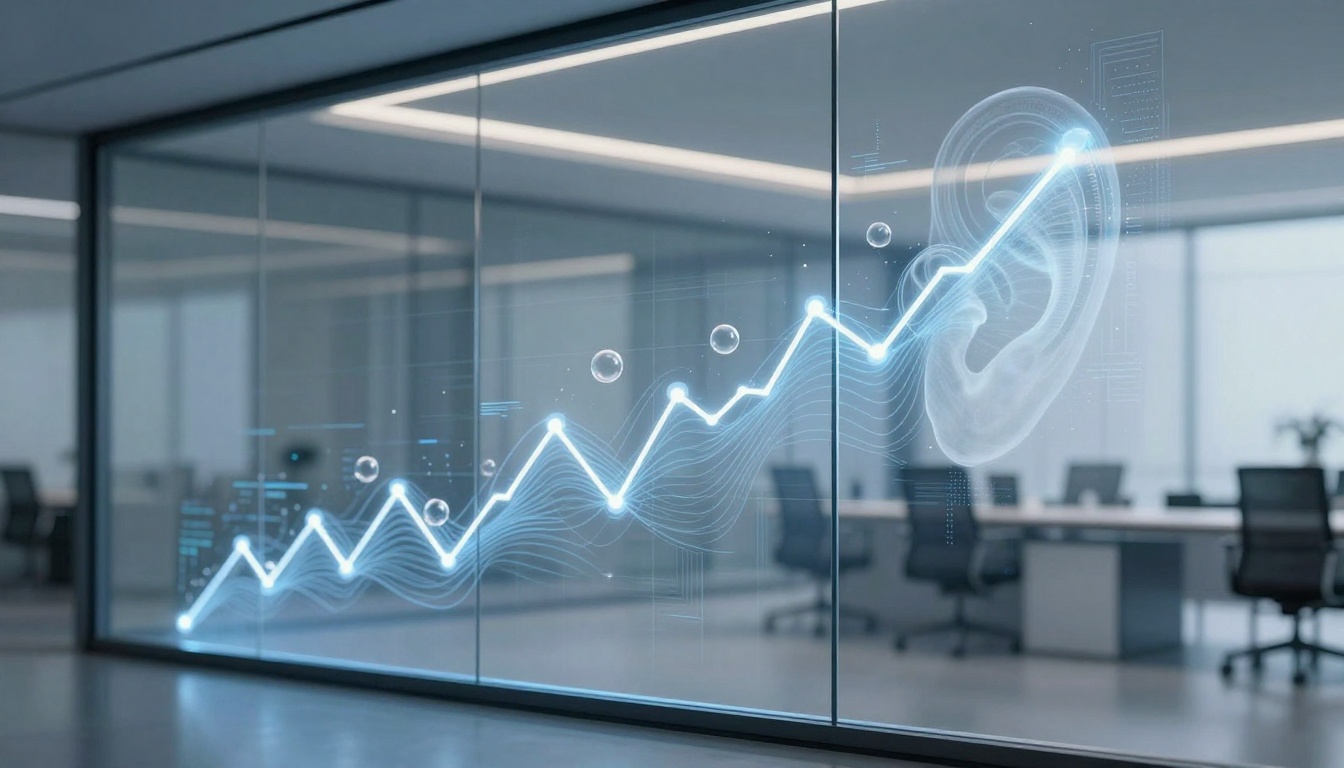

Listen to this post: How to Spot Bubbles Early by Listening Differently
Picture this: it’s January 2026, and AI stocks like Nvidia and Palantir climb to new peaks. Nvidia shares hover near records after a quick recovery from a dip, while Palantir rides the wave of government contracts and hype. Investors cheer wild promises of AI changing everything. Yet voices like Jeremy Grantham warn of a massive bubble, one that could tank markets when it bursts. Michael Burry places bets against these giants, calling the boom too big to save.
Bubbles grow when excitement drowns out cold facts. Prices soar on dreams, not profits. People chase quick wins and ignore risks. The dot-com crash wiped out trillions in 2000. The 2008 housing bust crushed economies. Today, AI capex hits half a trillion dollars, but it’s just 1-1.5% of GDP. Real growth exists, yet herd madness blinds many.
Spot these traps early by listening differently. Tune into public chatter, not just charts. Track sentiment shifts, social buzz, and news tones with free tools. You will learn simple steps to hear the roar before the fall. This guide shows how, from past wrecks to today’s AI frenzy. Stay ahead and protect your cash.
Grasp Bubble Sounds from Past Market Crashes
Markets crash when crowds scream “this time it’s different.” Chatter swells with greed tales. Warnings fade in the noise. Learn these sounds to spot repeats. Past bubbles teach clear patterns in talk.
Take the dot-com era. Excitement ruled. Firms with no profits launched huge IPOs. Media buzzed about a new economy. People forgot cash flow matters.
Dot-Com Hype That Ignored Empty Wallets
In the late 1990s, internet riches filled every chat. Pets.com burned cash on Super Bowl ads. No one cared about empty wallets. AOL merged with Time Warner in a $165 billion deal, cheered as genius.
Talk drowned facts. “Dot-coms will own the world,” forums said. Profits? Not needed. Barron’s ran a “Death of Equities” cover in 2000, right before the peak. Nasdaq hit 5,000 in March, then plunged 78% by 2002. Hype ignored sales. Viral stories of overnight millionaires pulled in crowds. Herd behaviour sealed the bust.
Housing Frenzy Before the 2008 Fall
Mid-2000s brought easy loans for all. “House prices always rise,” agents said. Subprime mortgages hid risks. Flippers bragged on TV shows.
Buzz spiked on endless gains. Ignore the bad debt, they said. Defaults climbed, but parties raged. By 2006, sentiment peaked. Lehman fell in 2008. Homes lost half their value. S&P dropped 57%. Early signs hid in ignored loan warnings and “everyone deserves a home” cheers.
These crashes share one beat: public roar before silence.
Track Social Media Buzz and Sentiment Shifts
Social platforms amplify greed. Spikes in posts signal danger. Free tools reveal the heat. Google Trends shows search jumps. StockTwits scores sentiment; over 0.7 means extreme greed.
Pair buzz with facts like P/E ratios above 30. GameStop in 2021 proves it. Retail hype drove a 1,700% surge on WallStreetBets. Shares hit $483, then crashed to $40. Memes and “to the moon” cries led the charge.
Steps to listen today:
- Search “buy Nvidia” on Google Trends. Sharp rises warn of froth.
- Check StockTwits for AI terms. Greed scores above 0.7 flash red.
- Watch Reddit subs like r/wallstreetbets. Newbie floods mean herding.
Compare it to a party. Laughs grow loud as drinks flow. Then comes the stumble. In 2021 crypto, Twitter exploded with moonshots. Bitcoin hit $69,000, then halved.
Pro tip: track Robinhood downloads. Surges show retail piles in. Combine signals for power.
Spot FOMO in Viral Posts and Memes
Fear of missing out drives shares skyward. Posts explode overnight. Likes hit millions. Envy stories spread: “My mate doubled his cash on Palantir.”
WallStreetBets led GameStop’s run. Diamond hands memes mocked sellers. Shares jumped 10x in weeks. Tools like LunarCrush track this. Mentions up 5-10x? Alert.
Thresholds help: 500% like surges in days scream bubble. FOMO blinds to risks like overvaluation.
Decode News Patterns and Retail Investor Moves
News tilts positive in bubbles. Stories hit 80% upbeat, ignoring cracks. “New era arrives,” headlines claim. Dot-com pages gushed “internet changes all.”
Track retail flows. App downloads soar. Margin debt climbs. Google searches for “buy [stock]” peak.
Alternative clues shine. Full brokerage parking lots mean frenzy. In 1929, margin borrowing buzz filled papers before the 89% Dow drop.
Apply to AI now. Headlines praise Oracle’s $50 billion spend. Junk bonds fund data centres. Jeremy Grantham details AI bubble risks in fresh warnings. Low rates fuel the fire.
Weekly checks:
- Scan headlines for “revolution” words.
- Watch FINRA margin data. Spikes over 2% of GDP warn.
- Check GMO’s bubble playbook for timeless signs.
Burry’s Nvidia shorts echo 2008 bets. Act before panic sells hit.
| Warning Sign | Normal Level | Bubble Threshold |
|---|---|---|
| Positive News % | 50-60% | Over 80% |
| Margin Debt % GDP | 1% | Over 2.5% |
| Retail App Downloads | Steady | 50% monthly jump |
These patterns spot turns fast.
Apply These Listens to Spot the 2026 AI Bubble Early
Tie it all to AI today. Valuations dwarf GDP growth. Retail rushes in via apps. Grantham sees railroad mania repeats. Burry shorts the leaders.
Yet counters exist: real earnings rise. Goldman notes low debt aids gains.
Steps for 2026:
- Scan StockTwits for AI greed over 0.7.
- Hunt news with “change everything” hype.
- Track Robinhood AI trades and search spikes.
A burst means quick dips, then wider hits. Nvidia could fall 50% like dot-com stars. Focus on profits, not promises. Stay calm amid the roar. Grantham compares AI to past bubbles.
Urgent, yes. But early listeners win big.
Conclusion
You now know the sounds: past crash chatter, social FOMO spikes, slanted news, retail herds. Tune in weekly with Trends and Twits. Set alerts. Think contrarian when crowds cheer.
Early spotters dodge pain and grab bargains. Picture yourself calm as storms rage, portfolio safe.
Personalise your feed on CurratedBrief for fresh updates on markets and AI. What bubble sign do you hear first? Share below. Thanks for reading; smart listening builds wealth.
(Word count: 1,482)