
Listen to this post: Climate Migration: Who Moves, Who Stays, Who Gets Left Behind
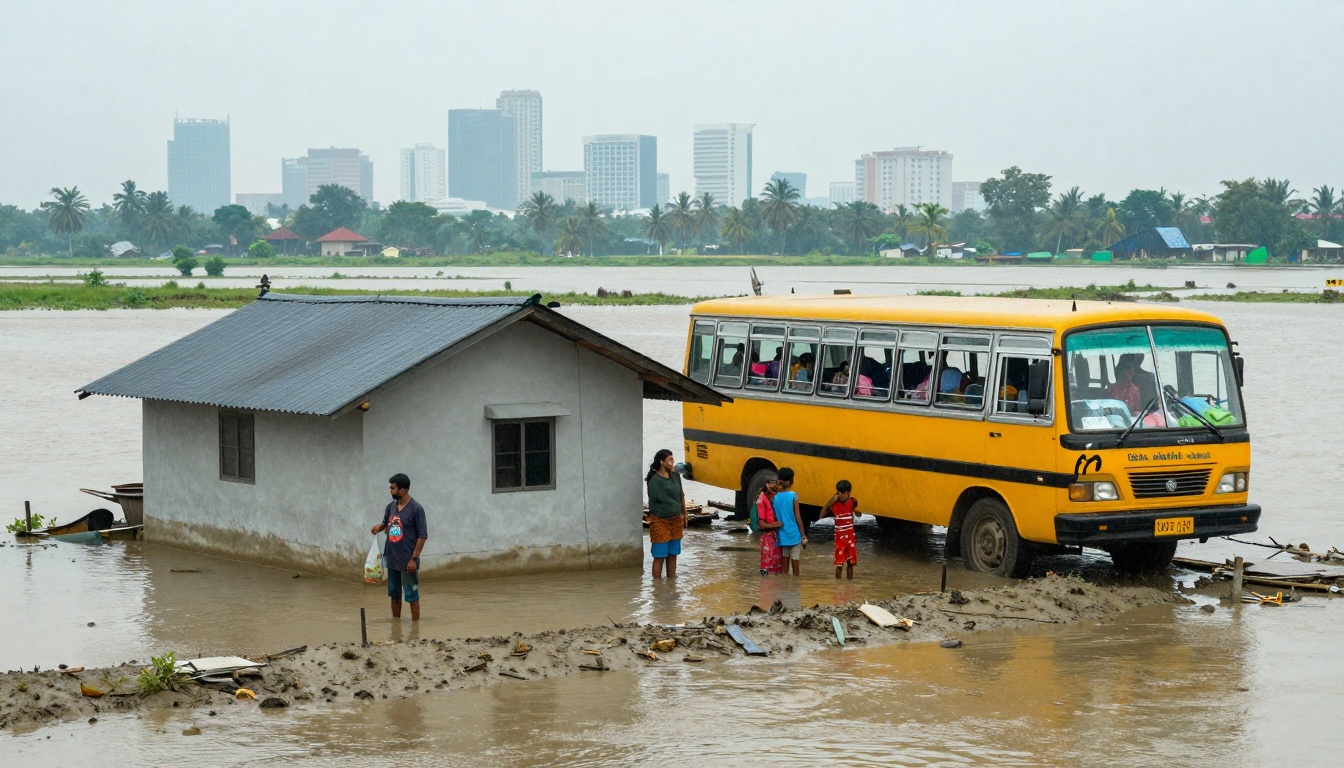
Picture a family in coastal Bangladesh. Muddy water laps at their home after another flood. The father packs a small bag while his wife comforts the children. They board a crowded bus to Dhaka, chasing rumours of steady work. By 2050, projections show up to eight million people like them heading to just ten cities across the Global South. Climate migration happens when floods, droughts, and scorching heat make homes unlivable. People pack up and go, often within their own countries.
This post breaks it down. It looks at who leaves first, often those with a bit more means. It covers why others stay rooted despite the risks. And it spotlights those left most exposed, facing the harshest blows. Fresh data from early 2026 paints a clear picture: 216 million could move internally by mid-century if warming continues, with 86 million from Sub-Saharan Africa alone. But who really moves, and who gets stuck?
Who Leaves Home First When Climate Strikes
Dust swirls on rural roads as families load trucks with belongings. They head to city lights, drawn by jobs and safer ground. Middle-income people with some education pack quickest. Younger folks join them, eyes fixed on urban promise. Extreme weather pushes them out: floods swallow fields, droughts kill crops. In the Global South, these shifts fill city slums fast.
Recent stats show 75.9 million displaced worldwide by late 2023, many from disasters. By 2026, hotter years speed this up. People flee slow threats like desert spread in the Sahel or saltwater creeping into Bangladesh deltas.
The Profiles of Those on the Move
Young adults under 35 lead the way. They often have schooling that opens doors to city work. A bit of savings helps cover bus fares or first month’s rent. Farmers’ sons with basic skills seek factory gigs. Women with trade knowledge join too.
In richer spots like the US, impacts stay small so far. But a Stanford study on extreme weather notes age and education shape moves from heat or floods. These groups act fast, grabbing chances before conditions worsen.
Prime Hotspots Sparking the Exodus
Bangladesh rivers overflow yearly, sending villagers to Dhaka. Vietnam’s Mekong sees fishers pack for Ho Chi Minh City as seas rise. Africa’s Sahel dries out, nudging herders toward Lagos or Nairobi. Internal moves dominate, with rural poor eyeing urban jobs.
Droughts in Central America push families north, though borders slow them. By 2050, eight million target ten key cities, straining services. These early movers spot risks and bolt.
Why Many Choose to Stay Put Despite Growing Dangers
A farmer surveys his cracked field after drought. He patches his hut and plants again, tied to the soil his family tilled for generations. Poverty chains feet to the ground. No cash means no bus ticket. Family duties keep others home: care for elders or kids. Lack of news about safe spots adds doubt.
Data traps the poor in place. Climate cuts their moves by ten per cent by 2100 due to slim options. They adapt where they stand, rebuilding after storms. Emotional pull of home weighs heavy against rising floods.
Barriers That Keep Feet Planted
Cash shortages top the list. A family’s last coins go to seeds, not travel. No networks in cities mean blind leaps. Strong community bonds hold tight; neighbours share tools and food. Elders fear unknown streets.
After floods, rebuild costs soar. Low skills limit job hunts elsewhere. These walls keep millions rooted as heat climbs.
The Vulnerable Souls Left Most Exposed
Grandma huddles in a tin shack as rain hammers the roof. Winds howl outside, water rises. She can’t run; frail legs and no help slow her. The poorest, oldest, and least schooled face the worst. Since 1995, weather linked to 832,000 deaths, hitting them hardest.
They cluster in informal spots, no walls against storms. Unlike willing stayers, these folks lack any choice. Resources dry up: water scarce, food short. Lost young kin leave them alone.
Faces of the Forgotten in Climate Chaos
Kids without parents scrounge in flood zones. Disabled folk miss disaster alerts. Women head households, juggling survival. A UN analysis of climate migrants profiles these groups, hit by internal shifts from weather.
They suffer most as others leave, thinning support nets.
Real-World Lessons and Glimpses of Tomorrow
Bangladesh floods yearly displace thousands to Dhaka slums. Pacific islands sink under rising seas; residents squeeze onto main lands. African droughts empty villages toward coastal hubs. Even the US sees hints, like post-hurricane shifts after Helene.
These tales show patterns. Projections warn of city overload by 2050. But green jobs could ease strains if planned right.
Spotlight on Bangladesh, Pacific, and Africa
In Bangladesh, rural folk flood Dhaka; millions cram in by 2050. Pacific atolls vanish, forcing moves to Fiji or Australia. Sahel droughts send 86 million potential migrants scattering. Pakistan’s Indus swells, pushing to Karachi.
A Nature study on climate drivers links heat and economy to these flows.
What 2050 Holds for Us All
Cities swell with 216 million internals. Slums bake under urban heat. Policy must build homes, jobs, defences. Aid for trapped poor aids all. Managed well, migration brings skills home, rebuilding stronger.
Conclusion
Climate migration sorts people sharply. Younger educated ones move to cities first. Poor ties and scant cash keep many put. The frail and forgotten bear the brunt, alone in storms. By 2050, millions reshape the Global South.
Cut emissions now to slow this. Back aid for the stuck. Share your thoughts: who’s at risk near you? Act for them today.
(Word count: 1,482)