
Listen to this post: The Rise of National Super Apps and What They Mean for the Open Web
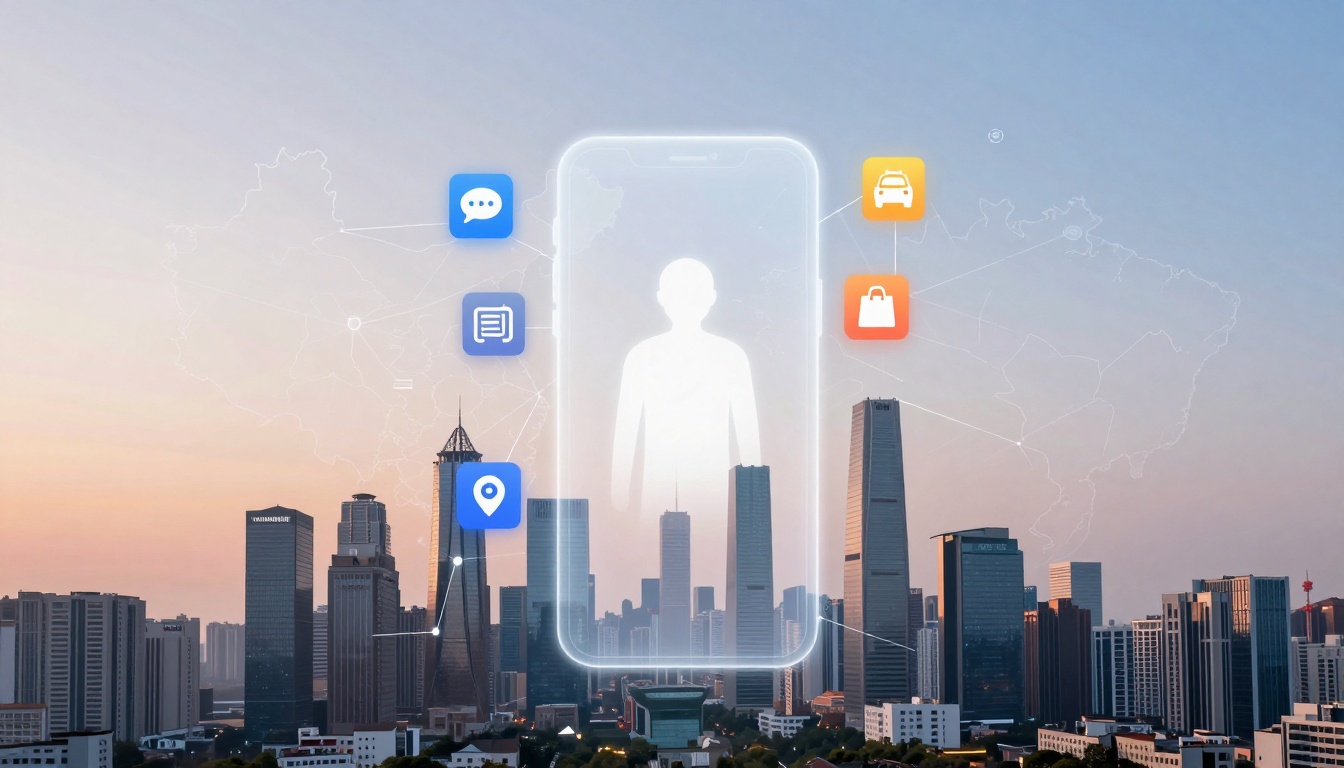
Picture this: you wake up in Shanghai. A quick tap on WeChat sends a message to your family. Another swipe books a taxi and pays the driver. Minutes later, you order breakfast, check the news, and even file a government form, all without switching apps. This seamless flow defines life for over a billion Chinese users. Super apps like WeChat bundle chats, payments, rides, shopping, and more into one platform. They started as simple tools but now handle daily needs.
These apps surge in places like China, India, Russia, Brazil, the Middle East, and Southeast Asia. High mobile phone use and spotty web access fuel their growth. People love the ease. Yet a shadow looms. Super apps create closed worlds. Users rarely leave for independent websites. This shift threatens the open web, where anyone builds and shares freely. Small sites lose traffic. Innovation slows. As these developments unfold, the social media effects on journalism become increasingly evident. Traditional news outlets struggle to maintain relevance as audiences gravitate toward platforms that prioritize sensationalism and fleeting trends over factual reporting. This shift not only alters how news is disseminated but also how it is consumed, creating an environment where credibility battles against convenience.
This post traces their global takeover, charts their rapid rise, and weighs risks to the open web. You’ll see why convenience comes at a cost.
Super Apps Taking Over in Countries Around the World
Super apps begin with one core service, like messaging or ride shares. They grow by adding payments, shopping, food delivery, and mini-apps, small programs that run inside. Governments and businesses partner up, tailoring them to local habits. In regions with cheap smartphones but weak broadband, these apps shine. Users tap once for everything. No need for clunky websites.
Take China. WeChat rules with over 1.3 billion monthly active users as of early 2026. Indians flock to Paytm for bills and Tata Neu for groceries. Russians use Max for taxis and chats. Brazilians rely on Mercado Pago for finance. In the Middle East, Careem handles rides and more. Southeast Asia crowns Grab and Gojek kings. Billions now live inside these ecosystems.
For deeper insights on how super apps reshape digital habits, check this analysis of transforming ecosystems. They fit tight markets. In India, cashless push after demonetisation boosted Paytm. Southeast Asia’s traffic jams make Grab rides vital. Russia curbs foreign apps, so locals build Max. Brazil’s e-commerce boom lifts Mercado Pago. Each app mirrors its nation’s pulse.
WeChat and Grab Lead the Pack
WeChat launched in 2011 as a basic chat tool. Tencent soon added WeChat Pay, which now serves 1.225 billion users. Mini-programs hit 689 million daily acts in 2026. From booking doctors to buying train tickets, it runs China’s daily rhythm. Users spend 80 minutes a day inside, grabbing 35% of all mobile time.
Grab dominates Southeast Asia much the same way. It started with rides in Singapore but now offers GrabFood, GrabPay, and banking across eight countries. Gojek rivals it in Indonesia, blending rides, deliveries, and payments post-merger into GoTo. These apps hook tens of millions. One login rules food, cash, and travel. No browser required.
India, Russia and Beyond Join the Trend
India heats up with Paytm and Tata Neu. Paytm boasts over 300 million users despite past hiccups. It covers payments, gaming, and tickets. Tata Neu unites shopping across Tata brands with loyalty coins. Both chase China’s model amid fierce fights from PhonePe.
Russia pushes Max as homegrown pride. It mixes calls, taxis, deliveries, and social feeds for 50-70 million users. Amid blackouts and WhatsApp curbs, it gains ground. Russia’s super app drive amid internet woes shows the shift.
Brazil’s Mercado Pago tops 100 million users via Mercado Libre. It funds loans, wallets, and shops. Careem in the Gulf adds payments and groceries post-Uber takeover, serving 50 million in UAE and Saudi. Gulf super apps eye total control. Gig jobs and online sales propel them all.
The Quick Climb to Everyday Must-Haves
Smartphones blanket Asia and beyond. Over 80% ownership in China and India drives apps first. Super apps start narrow, like chats, then bolt on services. Users stick because everything sits in one spot. Open a ride? Pay inside. Hungry? Order without exit.
Partnerships speed growth. Banks plug in wallets. Shops build mini-apps. AI nudges users: “Fancy coffee?” Billions transact daily. WeChat’s mini-programs alone draw 689 million acts. Grab merges with rivals for scale.
By January 2026, updates boost security. Better payments fend hacks. Mini-apps multiply. Southeast Asia sees Grab and Gojek vie for 240 million users. India recovers Paytm amid rules. Russia ties Max to state needs. Brazil and the Gulf chase with Mercado Pago and Careem.
The West lags. Strict antitrust laws slow giants like Meta. Europe frets privacy. Result? Asia owns 90% of super app time. Users rely on them like wallets or keys. Daily tasks vanish into apps. Growth excites but whispers of downsides.
Why Super Apps Put the Open Web at Risk
Super apps build walled gardens. Users stay inside for all needs. The open web thrives on free links between sites. Browsers ferry traffic everywhere. Apps flip that. Links lead to in-app stores, not sites. Small publishers starve.
Data piles up. Apps track every tap for ads. Partners pay fees to join. Rivals get shut out. China shows the extreme: WeChat eats 35% mobile time. Browser use drops. Southeast Asia mirrors it. Grab keeps users from web shops.
Privacy erodes. One breach hits all data. Governments tap in. India links Paytm to taxes. Russia boosts Max for control. Convenience trades choice. Open web fostered startups. Apps demand approval. Innovation bends to gatekeepers.
Trapped Inside: Goodbye to Free Browsing
In-app tools kill browser habits. Book a Grab ride? Done without Chrome. Shop Tata Neu? No web detour. WeChat handles government forms inside. Users forget websites exist.
China leads: 78% of adults use WeChat daily. Mobile time skews app-heavy. Open sites lose eyes. Startups pitch mini-apps, not sites. Approval waits slow fresh ideas. Southeast Asia follows. GrabFood skips restaurant pages.
Power Shifts to a Few Big Players
A handful rule. Tencent owns WeChat. Grab eyes region. Data fuels ads but locks users. One wallet means switch costs.
Fees squeeze partners. Hacks loom large; central pots tempt thieves. Calls grow for rules. Open APIs could link apps to web. India probes Paytm. Europe eyes fines.
India’s super app battles hint at controls. Balance tips to giants unless checked.
Wrapping Up: Convenience or Control?
National super apps deliver bliss. One tap runs life, from WeChat’s hubs to Grab’s rides. Billions save time. Growth shows no end in 2026.
But the open web fades. Walled gardens hoard users, data, power. Browsers idle. Voices quiet. Small sites dim.
Is the trade worth it? You’ll decide as apps spread. Watch regulators push openness. Stay sharp on trends via platforms like CurratedBrief for daily bites.
What do you use most? Share below. Keep eyes open; the web’s future hangs in the balance.
(Word count: 1492)