
Listen to this post: How Regional Development Banks Fight to Stay Relevant in 2026
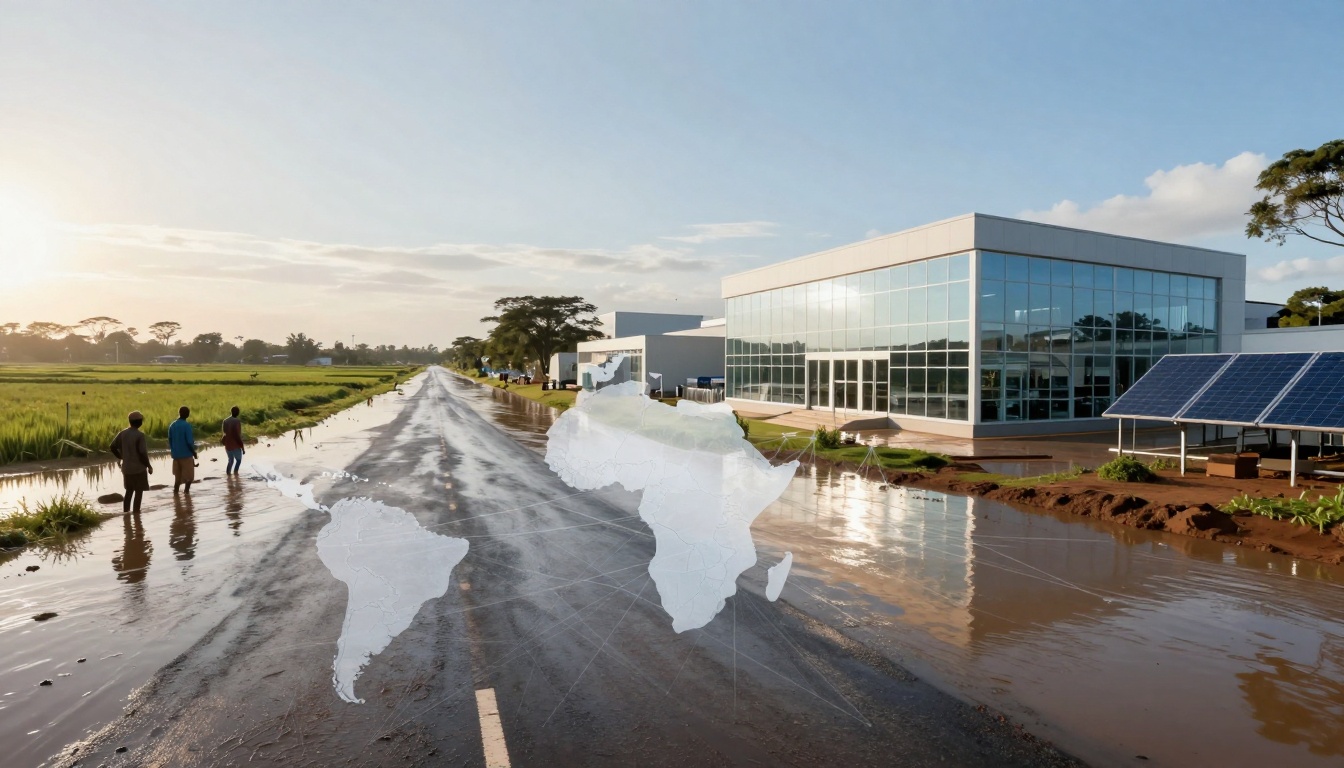
Picture a village in sub-Saharan Africa where floods have washed out the only road. Farmers stare at ruined crops, and trucks can’t deliver goods. Or think of a small factory in Latin America stalled by power cuts, waiting months for a loan. These scenes play out daily in emerging economies. Regional development banks (RDBs) step in to fund roads, power plants, and farms that national budgets can’t cover. They lend to governments and firms in specific regions, like the African Development Bank for Africa or the Inter-American Development Bank for the Americas.
Yet in 2026, doubts grow. Massive climate bills demand trillions, while high debt chokes poor nations. Projects drag on with red tape, and new lenders like China or private funds move faster. RDBs face a squeeze: do more with less, or fade away. They push back by funding climate action that shields homes and harvests. They lure private cash to stretch public money. And they link arms with local banks for quicker reach. These moves aim to prove RDBs still matter where it counts most.
The pressure points: why the old model is creaking
RDBs built bridges and schools for decades. Now cracks show. Needs explode as climate hits hard and populations swell. Old ways, heavy on government loans and slow checks, strain under the weight.
Big needs, not enough money: the SDG funding gap and rising debt
Emerging economies need $4.2 trillion each year to meet Sustainable Development Goals. That’s for clean water, steady power, decent schools. RDBs and others cover some, but a huge gap remains. In 2025, banks mobilised $69 billion from private sources, up from $47 billion earlier. Still not close.
Debt piles up too. Many countries spend more on interest than health. They can’t borrow freely, even for vital work. RDBs feel the pinch: lend more, but without sparking crises. Tools like Climate Resilient Debt Clauses help. These let nations swap debt payments for green projects, easing the load. Without fixes, good ideas stall. For detailed insights on scaling climate finance, see recent expert reports.
Trust and speed: when projects take too long, others step in
Projects often crawl. Approvals drag for years. Paperwork buries teams in forms. Impacts prove hard to track, like jobs created or emissions cut. Borrowers lose faith.
Private funds or bilateral lenders fill the void. They approve solar farms in months, not decades. RDBs lose ground. A port in Southeast Asia might skip the Asian Development Bank for quicker Chinese cash. Frustration builds when a hospital waits while needs mount. RDBs must match that pace or watch influence slip.
How they’re staying relevant in 2026: climate, private capital, and local reach
RDBs adapt fast in 2026. They target climate work that saves lives and livelihoods. They pull in private funds to multiply impact. And they partner locally to hit overlooked spots. These steps link big money to real fixes, like stronger homes or reliable lights.
Making climate finance feel real: resilience projects people can see
Gone are vague plans. RDBs fund dykes that hold back floods, seeds that survive drought, homes with solar roofs. In the Sahel, the African Development Bank backs energy and farms to curb hunger from clashes. People see results: fewer blackouts, safer harvests.
Proof matters now. Taxpayers and donors want data on lives improved. Green bonds help raise cash for these. Investors buy them knowing funds go to checked goals, like low-carbon grids. The European Bank for Reconstruction and Development issues them in local currencies for tough markets. Sustainable bonds follow suit. Results build trust, one sturdy bridge at a time.
Crowding in private money without losing the mission
Public cash alone won’t cut it. RDBs use it smartly to draw private billions. They offer guarantees: if a wind farm flops, the bank covers part. Blended finance mixes grants, loans, and investor money. Barriers drop for small green projects.
Private firms shy from risks like political shifts or weak courts. RDBs bridge that with first-loss protection. In 2025, this approach mobilised more cash for energy and jobs. The New Development Bank plans funds for private infrastructure roles. Banks keep their focus on poor areas, not profit hunts. Check public-private synergies in development finance for examples.
Working through local banks to reach the last mile
Big banks miss small needs. RDBs fix this by funding local public development banks as middlemen. The Inter-American Development Bank partners across Latin America and the Caribbean. These locals lend to micro-firms, women-led shops, remote farms.
Local partners grasp risks: a farmer’s soil type, a town’s export quirks. Funds flow faster to underserved spots. Take a coffee co-op in Colombia. IDB cash via a national bank buys better roasters and climate-proof plants. Output rises, jobs hold. Or a Peruvian exporter gets quick credit for green packaging. This chain speeds delivery, builds skills, cuts waste.
The next relevance test: tech, partnerships, and proof that the money worked
Adapt or vanish. RDBs eye tech for sharper work. They build ties to avoid overlap. And they track every pound to show wins. Success here cements their role.
Digital tools and AI: faster checks, better data, new risks
Apps scan projects in days, not weeks. AI flags risks in loan files, spots fraud early. The EBRD tests data tools for lending in volatile zones. Monitoring drones check road builds remotely.
Pitfalls lurk. Poor data leads to bad calls. Cyber threats rise. Not all banks match pace; smaller ones lag. Balance speeds gains without new woes.
Partnerships that reduce duplication, not add meetings
Overlap wastes time. Finance in Common coordinates RDBs with national banks. They share standards, reports, co-fund simply. The FiCS report on unlocking public banks outlines this for bigger scale.
Watch for fewer delays, solid results, local control. The IDB’s ReInvest+ push ties markets to climate needs. G20 efforts harmonise funds too.
RDBs face stark choices. Climate focus, private cash pulls, and local ties form their core fightback. Tech, smart partnerships, and hard proof test if they deliver.
They fund what hits home: steady power, safe homes, growing farms. If they prove every loan sparks change, they endure. Fail, and quicker players take over. Readers, what project would you back first?
(Word count: 1487)